ReadingFaithfully.org icon Facebook icon Bluesky icon Reddit icon Tumblr icon Mastodon icon RSS icon

SN 1.13 Natthiputtasamasutta: None Equal to That for a Son

Sun setting on a field of grain.

Thus have I heard. On one occasion the Blessed One was dwelling at Savatthi in Jeta’s Grove, Anathapiṇḍika’s Park. Then, when the night had advanced, a certain devatā of stunning beauty, illuminating the entire Jeta’s Grove, approached the Blessed One. Having approached, he paid homage to the Blessed One and stood to one side. Standing to one side, that devatā recited this verse in the presence of the Blessed One:

“There is no affection like that for a son,
No wealth equal to cattle,
There is no light like the sun,
Among the waters the ocean is supreme.”

The Blessed One:

“There is no affection like that for oneself,
No wealth equal to grain,
There is no light like wisdom,
Among the waters the rain is supreme.”


Read this translation of Saṁyutta Nikāya 1.13 Natthiputtasamasutta: None Equal to That for a Son by Bhikkhu Bodhi on SuttaCentral.net. Or read a different translation on SuttaCentral.net or SuttaFriends.org. Or listen on PaliAudio.com or SC-Voice.net. Or explore the Pali on DigitalPaliReader.online.

Or read a translation in Deutsch, Português, Srpski, Bengali, Català, Español, Français, Indonesian, Italiano, 日本語, မြန်မာဘာသာ, Norsk, Polski, ру́сский язы́к, සිංහල, ไทย, Tiếng Việt, or 汉语. Learn how to find your language.

AN 6.107 Rāgasutta: Greed

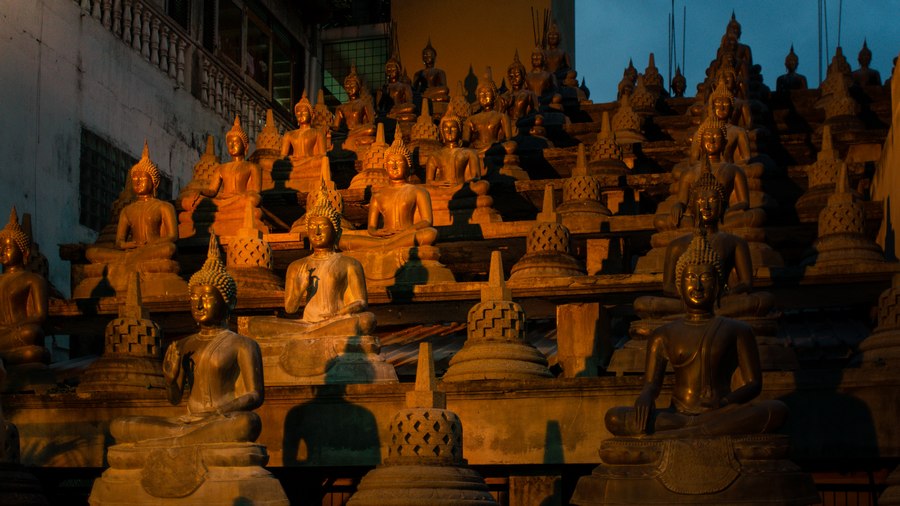
A large, sloping shrine covered in small Buddha statues and Borobudur style stupas.

“Mendicants, there are these three things. What three? Greed, hate, and delusion. These are the three things. To give up these three things you should develop three things. What three? You should develop the perception of ugliness to give up greed, love to give up hate, and wisdom to give up delusion. These are the three things you should develop to give up those three things.”


Read this translation of Aṅguttara Nikāya 6.107 Rāgasutta: Greed by Bhikkhu Sujato on SuttaCentral.net. Or listen on SC-Voice.net. Or explore the Pali on DigitalPaliReader.online.

Or read a translation in Deutsch, Bengali, Español, Indonesian, မြန်မာဘာသာ, ру́сский язы́к, සිංහල, ไทย, Tiếng Việt, or 汉语. Learn how to find your language.

SN 46.45 Paññavantasutta: Wise

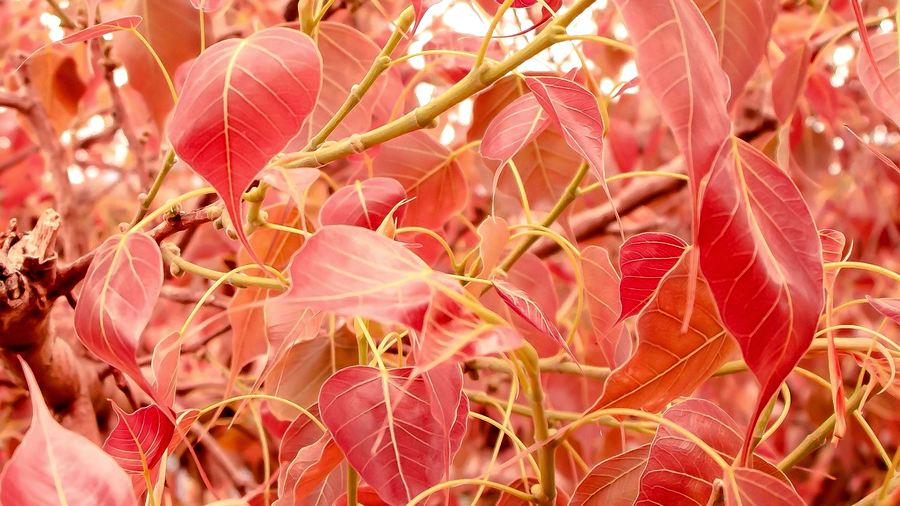
New, red bodhi leaves.

“Sir they speak of a person who is ‘wise, no idiot’. How is a person who is wise, no idiot defined?”

“Mendicant, they’re called wise, no idiot because they’ve developed and cultivated the seven awakening factors. What seven? The awakening factors of mindfulness, investigation of principles, energy, rapture, tranquility, immersion, and equanimity. They’re called wise, no idiot because they’ve developed and cultivated these seven awakening factors.”


Read this translation of Saṁyutta Nikāya 46.45 Paññavantasutta: Wise by Bhikkhu Sujato on SuttaCentral.net. Or read a different translation on SuttaCentral.net. Or listen on SC-Voice.net. Or explore the Pali on DigitalPaliReader.online.

Or read a translation in Deutsch, Bengali, Español, Indonesian, 日本語, မြန်မာဘာသာ, Norsk, ру́сский язы́к, සිංහල, ไทย, Tiếng Việt, or 汉语. Learn how to find your language.

Dhp 282 from… Maggavagga: The Path

Person with long hair sitting cross legged on an arid mountain.

Wisdom springs from meditation; without meditation wisdom wanes. Having known these two paths of progress and decline, let a man so conduct himself that his wisdom may increase.


Read the complete translation of Dhammapada chapter 20 Maggavagga: the Path by Ven. Acharya Buddharakkhita on AccessToInsight.org. Or read a different translation on SuttaCentral.net, SuttaFriends.org, DhammaTalks.org, or Ancient-Buddhist-Texts.net. Or listen on SC-Voice.net. Or explore the Pali on DigitalPaliReader.online.

Or read in one of 28 other modern languages.

AN 9.25 Paññāsutta: Consolidated by Wisdom

Abstract fractal image.

“Mendicants, when a mendicant’s mind has been well consolidated with wisdom it’s appropriate for them to say: ‘I understand: “Rebirth is ended, the spiritual journey has been completed, what had to be done has been done, there is no return to any state of existence.”’

“And how is a mendicant’s mind well consolidated with wisdom?

  • The mind is well consolidated with wisdom when they know: ‘My mind is without greed.’ …
  • ‘My mind is without hate.’ …
  • ‘My mind is without delusion.’ …
  • ‘My mind is not liable to become greedy.’ …
  • ‘My mind is not liable to become hateful.’ …
  • ‘My mind is not liable to become deluded.’ …
  • ‘My mind is not liable to return to rebirth in the sensual realm.’ …
  • ‘My mind is not liable to return to rebirth in the realm of luminous form.’ …
  • ‘My mind is not liable to return to rebirth in the formless realm.’

“When a mendicant’s mind has been well consolidated with wisdom it’s appropriate for them to say: ‘I understand: “Rebirth is ended, the spiritual journey has been completed, what had to be done has been done, there is no return to any state of existence.”’”


Read this translation of Aṅguttara Nikāya 9.25 Paññāsutta: Consolidated by Wisdom by Bhikkhu Sujato on SuttaCentral.net. Or read a different translation on DhammaTalks.org. Or listen on SC-Voice.net. Or explore the Pali on DigitalPaliReader.online.

Or read a translation in Deutsch, Bengali, Español, Indonesian, မြန်မာဘာသာ, Português, ру́сский язы́к, සිංහල, ไทย, Tiếng Việt, or 汉语. Learn how to find your language.

Iti 41 Paññāparihīnasutta: Deprived of Wisdom

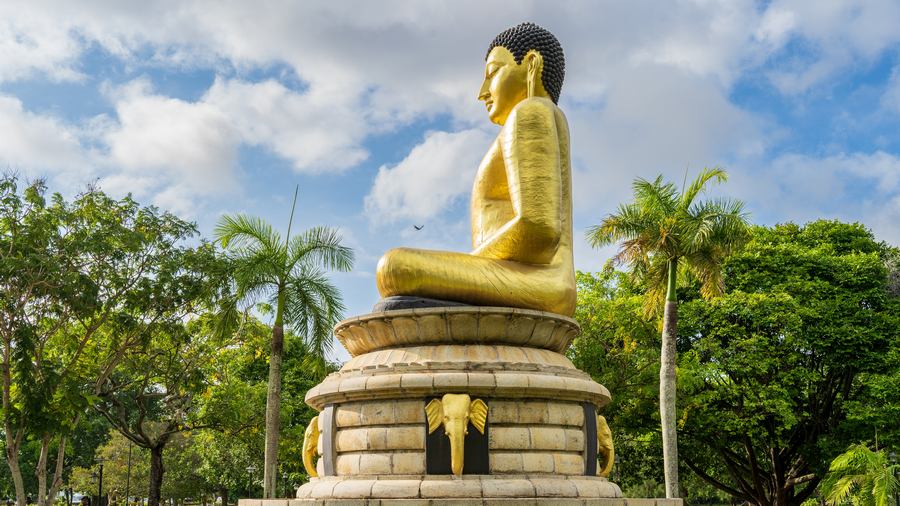
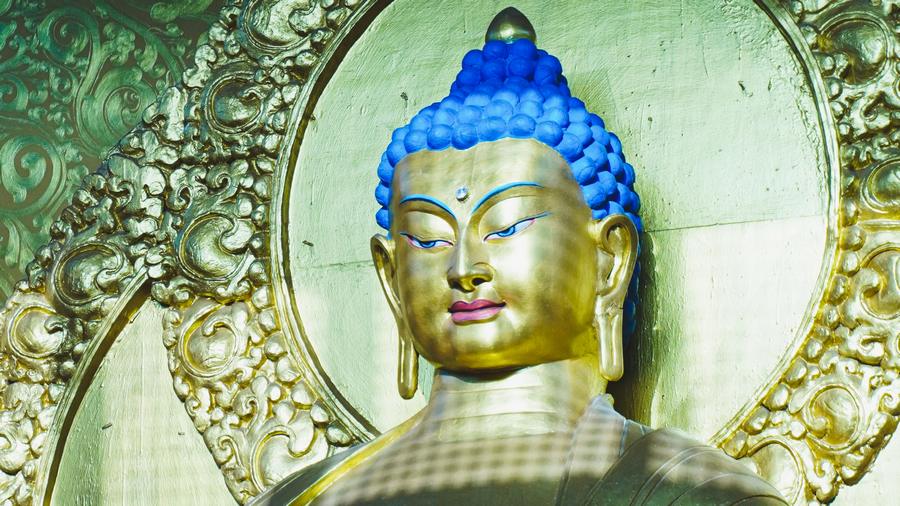
Large gold Buddha statue outside in Sri Lanka.

This was said by the Lord, said by the Arahant, so I heard:

“Bhikkhus, those beings are thoroughly deprived who are deprived of noble wisdom. They live in discomfort even here and now, with vexation, trouble, and distress, and when the body perishes at death a bad bourn is to be expected.

“Those beings are not deprived who are not deprived of noble wisdom. They live in comfort here and now, without vexation, trouble, or distress, and when the body perishes at death a good bourn is to be expected.”

This is the meaning of what the Lord said. So in regard to this it was said:

See the world with its devas,
Destitute of wisdom,
Established in name-and-form,
Conceiving this to be the truth.

Wisdom which leads to penetration
Is the best thing in the world;
By this one completely understands
The ending of both birth and being.

Devas and human beings hold dear
Those awakened ones ever mindful,
Possessing joyous wisdom,
Bearing their final bodies.

This too is the meaning of what was said by the Lord, so I heard.


Read this translation of Itivuttaka 41 Paññāparihīnasutta: Deprived of Wisdom by John D. Ireland on SuttaCentral.net. Or read a different translation on SuttaCentral.net, SuttaFriends.org or DhammaTalks.org. Or listen on SC-Voice.net. Or explore the Pali on DigitalPaliReader.online.

Or read a translation in Deutsch, Català, Čeština, Français, Italiano, မြန်မာဘာသာ, Nederlands, Norsk, Português, ру́сский язы́к, සිංහල, or Srpski. Learn how to find your language.

SN 48.9 Paṭhamavibhaṅgasutta: Analysis (1st)

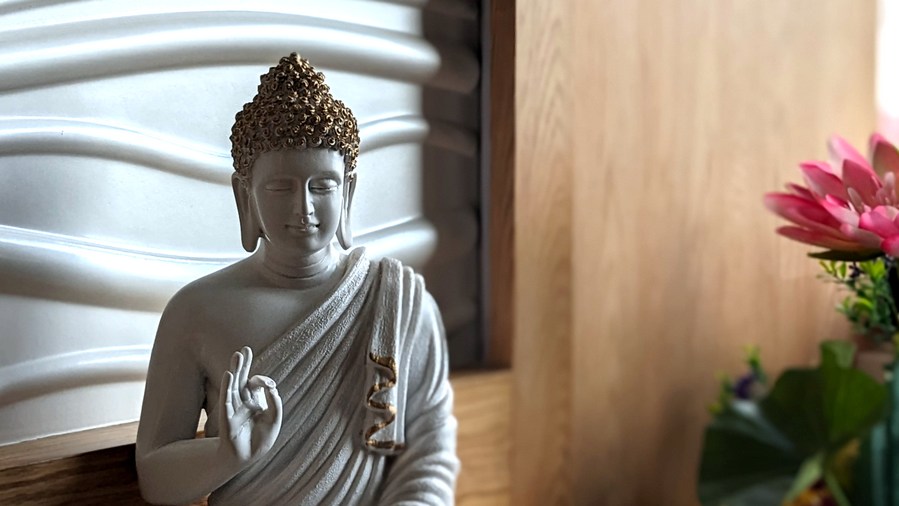
White Buddha statue.

“Mendicants, there are these five faculties. What five? The faculties of faith, energy, mindfulness, immersion, and wisdom.

And what is the faculty of faith? It’s when a noble disciple has faith in the Realized One’s awakening: ‘That Blessed One is perfected, a fully awakened Buddha, accomplished in knowledge and conduct, holy, knower of the world, supreme guide for those who wish to train, teacher of gods and humans, awakened, blessed.’ This is called the faculty of faith.

And what is the faculty of energy? It’s when a noble disciple lives with energy roused up for giving up unskillful qualities and embracing skillful qualities. They’re strong, staunchly vigorous, not slacking off when it comes to developing skillful qualities. This is called the faculty of energy.

And what is the faculty of mindfulness? It’s when a noble disciple is mindful. They have utmost mindfulness and alertness, and can remember and recall what was said and done long ago. This is called the faculty of mindfulness.

And what is the faculty of immersion? It’s when a noble disciple, relying on letting go, gains immersion, gains unification of mind. This is called the faculty of immersion.

And what is the faculty of wisdom? It’s when a noble disciple is wise. They have the wisdom of arising and passing away which is noble, penetrative, and leads to the complete ending of suffering. This is called the faculty of wisdom.

These are the five faculties.”


Read this translation of Saṁyutta Nikāya 48.9 Paṭhamavibhaṅgasutta: Analysis (1st) by Bhikkhu Sujato on SuttaCentral.net. Or listen on SC-Voice.net. Or explore the Pali on DigitalPaliReader.online.

Or read a translation in Deutsch, Bengali, Español, Indonesian, 日本語, မြန်မာဘာသာ, Norsk, ру́сский язы́к, සිංහල, ไทย, Tiếng Việt, or 汉语. Learn how to find your language.

DN 30 From… Lakkhana Sutta: The Marks of a Great Man

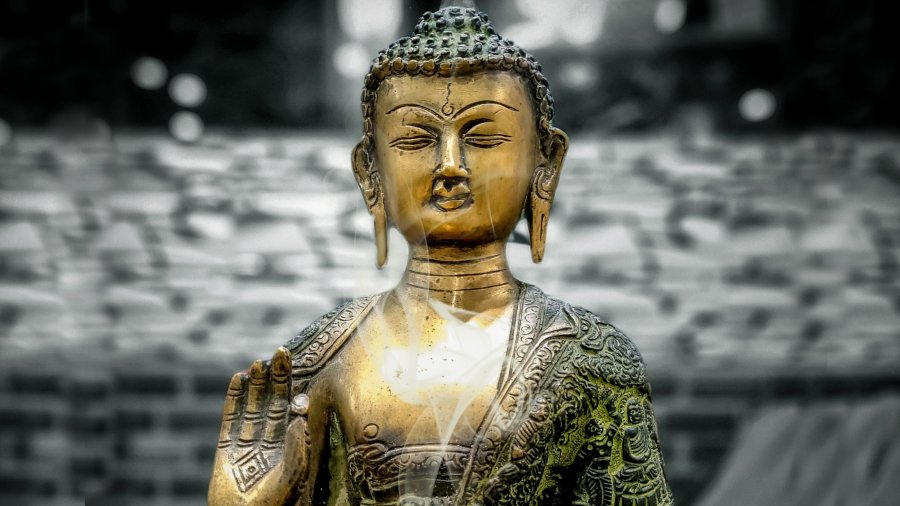
Head of a Buddha statue.

[The Lakkhana Sutta details the the actions the Buddha did to obtained the 32 Marks and their corresponding wholesome qualities.]

“…Monks, in some past lives the Buddha was reborn as a human being. He approached virtuous and knowledgeable people and asked: ‘Sirs, what is wholesome? What is unwholesome? What is blameworthy? What is blameless? What should be cultivated? What should not be cultivated? Doing what leads to my lasting harm and suffering? Doing what leads to my lasting welfare and happiness?’ Due to performing those deeds he was reborn in heaven. When he passed away from there and was reborn here as a human, he obtained this mark: he has smooth skin, so smooth that dust and dirt don’t stick to his body.

Possessing this mark, if this great man continues to live in the palace, he becomes a universal king. And what does he obtain as a king? He has great wisdom. Of those who enjoy worldly pleasures, no one is equal to him or surpasses him in wisdom. That’s what he obtains as a king.

And what does he obtain as the Buddha? He has great wisdom, widespread wisdom, joyful wisdom, fast wisdom, sharp wisdom, and penetrating wisdom. No being is equal to him or surpasses him in wisdom. That’s what he obtains as Buddha.”

That is what the Buddha said. On this it is said:

“In olden days, in past lives,
He was eager to understand things, he asked questions.
He was keen to learn things, he waited on virtuous people,
listening to their explanation with pure intent.

Due to that good kamma of searching for wisdom,
When he was reborn in the human world, his skin was smooth.
At his birth the mark-readers who are experts in mark-reading predicted:
‘He’ll understand even very subtle things of life.

If he doesn’t choose the monk-life,
he’ll rule the earth righteously.
Among those who instruct and who investigate things,
none is equal or better than him.

But if he chooses the monk-life,
and wisely loves that simple life,
Gaining wisdom that’s supreme and unparalleled,
The Supreme One attains enlightenment.…’”


Read the entire translation of Dīgha Nikāya 30 Lakkhana Sutta: The Marks of a Great Man by Ven. Kiribathgoda Gnananda Thero on SuttaFriends.org. Or read a different translation on SuttaCentral.net or SuttaFriends.org. Or listen on PaliAudio.com or SC-Voice.net. Or explore the Pali on DigitalPaliReader.online.

Or read a translation in Deutsch, Srpski, Bengali, Hebrew, हिन्दी, Indonesian, Italiano, 日本語, ಕನ್ನಡ, မြန်မာဘာသာ, Norsk, Português, සිංහල, ไทย, Tiếng Việt, or 汉语. Learn how to find your language.

Dhp 81–82 From… Paṇḍitavagga: The Astute

Clear mountain lake.

As the wind cannot stir
a solid mass of rock,
so too blame and praise
do not affect the wise.

Like a deep lake,
clear and unclouded,
so clear are the astute
when they hear the teachings.


Read the entire translation of Dhammapada 76–89 Paṇḍitavagga: The Astute by Bhikkhu Sujato on SuttaCentral.net. Or read a different translation on SuttaCentral.net, SuttaFriends.org, DhammaTalks.org, Ancient-Buddhist-Texts.net or AccessToInsight.org. Or listen on Or explore the Pali on DigitalPaliReader.online.

Or read a translation in Deutsch, Tiếng Việt, Català, Čeština, Español, Français, עִבְֿרִיתּ, Magyar, Italiano, 日本語, Latine, मराठी, မြန်မာဘာသာ, Nederlands, Norsk, Polski, Português, සිංහල, Slovenščina, தமிழ், or 汉语. Learn how to find your language.

AN 3.2 Lakkhaṇasutta: Characteristics

Head of a Buddha statue.

“Bhikkhus, the fool is characterized by his actions; the wise person is characterized by his actions. Wisdom shines in its manifestation.

“Bhikkhus, one who possesses three qualities should be known as a fool. What three? Bodily misconduct, verbal misconduct, and mental misconduct. One who possesses these three qualities should be known as a fool. One who possesses three qualities should be known as a wise person. What three? Bodily good conduct, verbal good conduct, and mental good conduct. One who possesses these three qualities should be known as a wise person.

“Therefore, bhikkhus, you should train yourselves thus: ‘We will avoid the three qualities possessing which one is known as a fool, and we will undertake and observe the three qualities possessing which one is known as a wise person.’ It is in this way that you should train yourselves.”


Read this translation of Aṅguttara Nikāya 3.2 Lakkhaṇasutta: Characteristics by Bhikkhu Bodhi on SuttaCentral.net. Or read a different translation on SuttaCentral.net or DhammaTalks.org. Or listen on PaliAudio.com or SC-Voice.net. Or explore the Pali on DigitalPaliReader.online.

Or read a translation in Deutsch, Português, Bengali, Català, Español, Français, Indonesian, Italiano, မြန်မာဘာသာ, Nederlands, ру́сский язы́к, සිංහල, ไทย, Tiếng Việt, or 汉语. Learn how to find your language.

AN 4.141 Ābhāsutta: Brightness

Sun shining through clouds.

“Mendicants, there are these four kinds of brightness. What four? The brightness of the moon, sun, fire, and wisdom. These are the four kinds of brightness. The best of these four kinds of brightness is the brightness of wisdom.”


Read this translation of Aṅguttara Nikāya 4.141 Ābhāsutta: Brightness Ābhāsutta by Bhikkhu Sujato on SuttaCentral.net. Or listen on PaliAudio.com or SC-Voice.net. Or explore the Pali on DigitalPaliReader.online.

Or read a translation in Čeština, Deutsch, Bengali, Español, Indonesian, မြန်မာဘာသာ, ру́сский язы́к, සිංහල, ไทย, Tiếng Việt, or 汉语. Learn how to find your language.

MN 135 Cūḷakammavibhaṅgasutta: The Shorter Analysis of Deeds—Wisdom

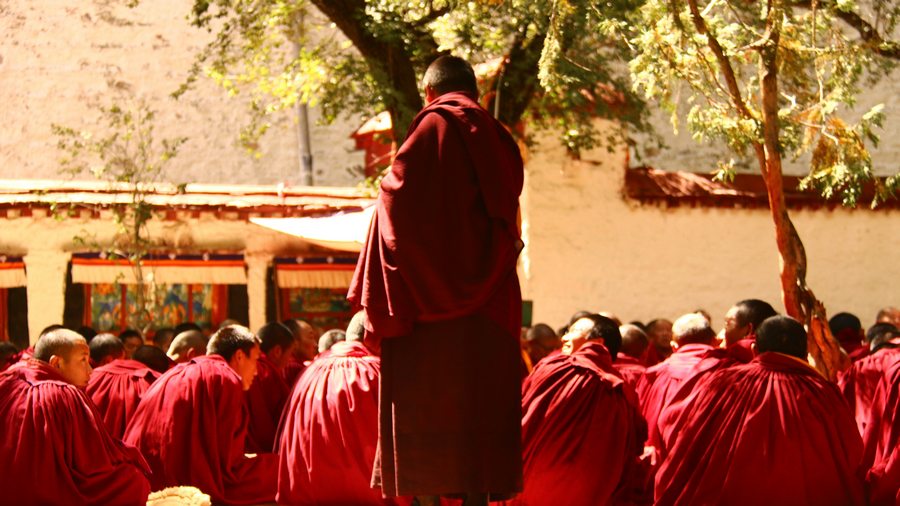
A large group of Buddhist monastics sitting under a tree.

…Take some woman or man who doesn’t approach an ascetic or brahmin to ask: ‘Sir, what is skillful and what is unskillful? What is blameworthy and what is blameless? What should be cultivated and what should not be cultivated? What kind of action will lead to my lasting harm and suffering? Or what kind of action will lead to my lasting welfare and happiness?’ Because of undertaking such deeds, after death they’re reborn in a place of loss … or if they return to the human realm, they’re witless …

But take some woman or man who does approach an ascetic or brahmin to ask: ‘Sir, what is skillful and what is unskillful? What is blameworthy and what is blameless? What should be cultivated and what should not be cultivated? What kind of action will lead to my lasting harm and suffering? Or what kind of action will lead to my lasting welfare and happiness?’ Because of undertaking such deeds, when their body breaks up, after death, they’re reborn in a good place, a heavenly realm. If they’re not reborn in a heavenly realm, but return to the human realm, then wherever they’re reborn they’re very wise. For asking questions of ascetics or brahmins is the path leading to wisdom.


Read this translation of Majjhima Nikāya 135 Cūḷakammavibhaṅgasutta: The Shorter Analysis of Deeds by Bhikkhu Sujato on SuttaCentral.net. Or read a different translation on SuttaCentral.net, SuttaFriends.org or DhammaTalks.org. Or listen on PaliAudio.com or SC-Voice.net. Or explore the Pali on DigitalPaliReader.online.

Or read a translation in Lietuvių Kalba, ру́сский язы́к, Bengali, Deutsch, Español, Français, Hebrew, हिन्दी, Magyar, Indonesian, Italiano, 日本語, 한국어/조선말, မြန်မာဘာသာ, Nederlands, Norsk, Português, සිංහල, Slovenščina, Srpski, Svenska, ไทย, Tiếng Việt, or 汉语. Learn how to find your language.

AN 10.17 Nātha Sutta: Protectors (1)

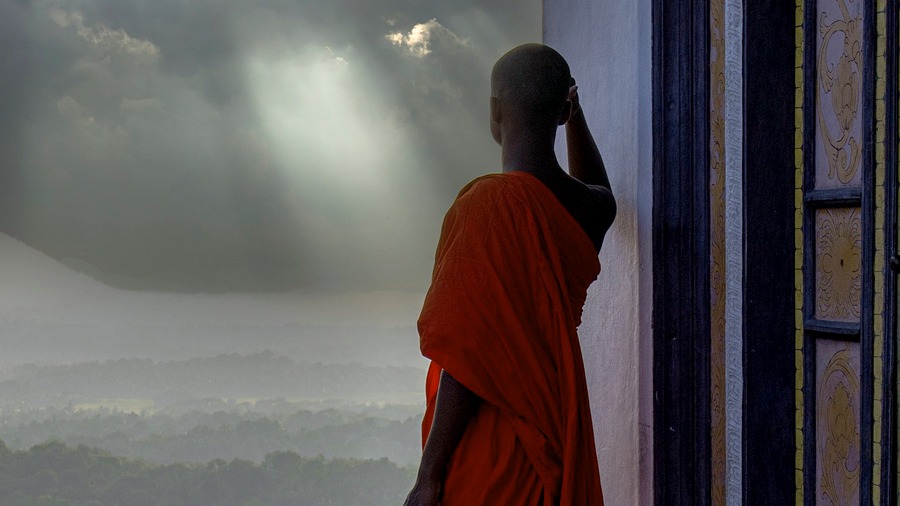
Monk looking out at a cloudy sky.

[Note: “Discerning” is Ajahn Thianssaro’s usual translation for pañña.]

“Live with a protector, monks, and not without a protector. He suffers, one who lives without a protector. And these ten are qualities creating a protector. Which ten?

“There is the case where a monk is virtuous. He dwells restrained in accordance with the Pāṭimokkha, consummate in his behavior & sphere of activity. He trains himself, having undertaken the training rules, seeing danger in the slightest faults. And the fact that he is virtuous… seeing danger in the slightest faults is a quality creating a protector.

“Then again, the monk has heard much, has retained what he has heard, has stored what he has heard. Whatever teachings are admirable in the beginning, admirable in the middle, admirable in the end, that—in their meaning and expression—proclaim the holy life that is entirely perfect, surpassingly pure: Those he has listened to often, retained, discussed, accumulated, examined with his mind, & well-penetrated in terms of his views. And the fact that he has heard much… well-penetrated in terms of his views is a quality creating a protector.

“Then again, the monk has admirable friends, admirable comrades, admirable companions. And the fact that he has admirable friends, admirable comrades, admirable companions is a quality creating a protector.

“Then again, the monk is easy to speak to, endowed with qualities that make him easy to speak to, patient, respectful to instruction. And the fact that he is easy to speak to… respectful to instruction is a quality creating a protector.

“Then again, the monk is adept at the various affairs involving his companions in the holy life; is vigorous, quick-witted in the techniques involved in them, is up to doing them or arranging to get them done. And the fact that he is adept at… doing them or arranging to get them done is a quality creating a protector.

“Then again, the monk is one who desires the Dhamma, endearing in his conversation, greatly rejoicing in the higher Dhamma & higher Vinaya. And the fact that he is one who desires the Dhamma, endearing in his conversation, greatly rejoicing in the higher Dhamma & higher Vinaya is a quality creating a protector.

“Then again, the monk keeps his persistence aroused for abandoning unskillful qualities and for taking on skillful qualities. He is steadfast, solid in his effort, not shirking his duties with regard to skillful qualities. And the fact that he keeps his persistence aroused… not shirking his duties with regard to skillful qualities is a quality creating a protector.

“Then again, the monk is content with any old robe cloth at all, any old alms food, any old lodging, any old medicinal requisites for curing sickness at all. And the fact that he is content with any old robe cloth at all, any old alms food, any old lodging, any old medicinal requisites for curing sickness at all is a quality creating a protector.

“Then again, the monk is mindful, endowed with excellent proficiency in mindfulness, remembering & recollecting what was done and said a long time ago. And the fact that he is mindful, endowed with excellent proficiency in mindfulness, remembering & recollecting what was done and said a long time ago is a quality creating a protector.

“Then again, the monk is discerning, endowed with discernment of arising & passing away—noble, penetrating, leading to the right ending of stress. And the fact that the monk is discerning, endowed with discernment of arising & passing away—noble, penetrating, leading to the right ending of stress is a quality creating a protector.

“Live with a protector, monks, and not without a protector. He suffers, one who lives without a protector. These are the ten qualities creating a protector.”


Read this translation of Aṅguttara Nikāya 10.17 Nātha Sutta. Protectors (1) by Bhikkhu Ṭhanissaro on DhammaTalks.org. Or read a different translation on SuttaCentral.net or DhammaTalks.org. Or listen on SC-Voice.net. Or explore the Pali on DigitalPaliReader.online.

Or read a translation in Deutsch, Français, Bengali, Indonesian, Italiano, မြန်မာဘာသာ, Português, ру́сский язы́к, සිංහල, ไทย, Tiếng Việt, or 汉语. Learn how to find your language.

AN 10.23 Kāyasutta: Body

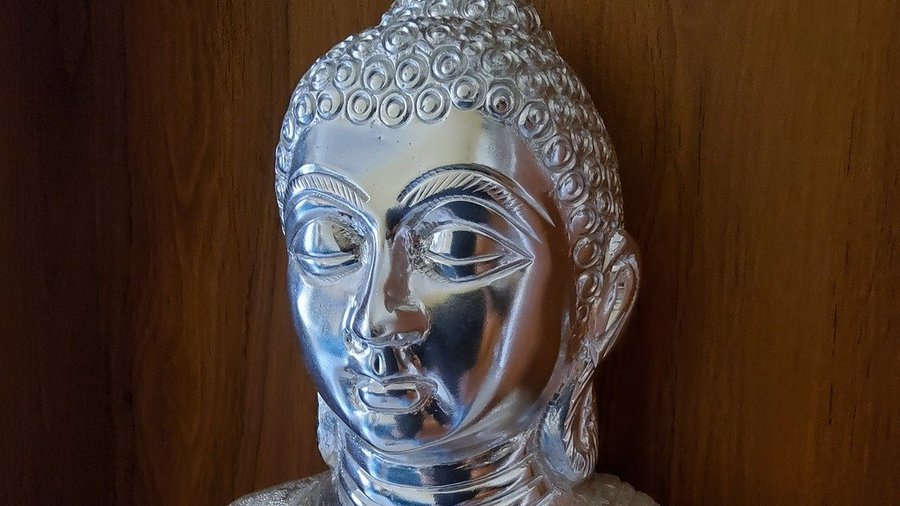
Bust of a small metal Buddha statue.

“Bhikkhus, there are things to be abandoned by body, not by speech. There are things to be abandoned by speech, not by body. There are things to be abandoned neither by body nor by speech but by having repeatedly seen with wisdom.

“And what, bhikkhus, are the things to be abandoned by body, not by speech? Here, a bhikkhu has committed a particular unwholesome deed with the body. His wise fellow monks investigate him and say thus: ‘You have committed a particular unwholesome deed with the body. It would really be good if you would abandon bodily misconduct and develop bodily good conduct.’ When his wise fellow monks investigate him and speak to him, he abandons bodily misconduct and develops bodily good conduct. These are called things to be abandoned by body, not by speech.

“And what are the things to be abandoned by speech, not by body? Here, a bhikkhu has committed a particular unwholesome deed by speech. His wise fellow monks investigate him and say thus: ‘You have committed a particular unwholesome deed by speech. It would really be good if you would abandon verbal misconduct and develop verbal good conduct.’ When his wise fellow monks investigate him and speak to him, he abandons verbal misconduct and develops verbal good conduct. These are called things to be abandoned by speech, not by body.

“And what are the things to be abandoned neither by body nor by speech but by having repeatedly seen with wisdom? Greed is to be abandoned neither by body nor by speech but by having repeatedly seen with wisdom. Hatred … Delusion … Anger … Hostility … Denigration … Insolence … Miserliness is to be abandoned neither by body nor by speech but by having repeatedly seen with wisdom.

“Evil envy, bhikkhus, is to be abandoned neither by body nor by speech but by having repeatedly seen with wisdom. And what is evil envy? Here, a householder or householder’s son is prospering in wealth or grain, in silver or gold. A slave or dependent might think of him: ‘Oh, may this householder or householder’s son not prosper in wealth or grain, in silver or gold!’ Or else an ascetic or brahmin gains robes, almsfood, lodging, and medicines and provisions for the sick. Another ascetic or brahmin might think of him: ‘Oh, may this venerable one not gain robes, almsfood, lodging, and medicines and provisions for the sick!’ This is called evil envy. Evil envy is to be abandoned neither by body nor by speech but by having repeatedly seen with wisdom.

“Evil desire, bhikkhus, is to be abandoned neither by body nor by speech but by having repeatedly seen with wisdom. And what is evil desire? Here, one without faith desires: ‘Let them know me as one endowed with faith.’ An immoral person desires: ‘Let them know me as virtuous.’ One with little learning desires: ‘Let them know me as learned.’ One who delights in company desires: ‘Let them know me as solitary.’ One who is lazy desires: ‘Let them know me as energetic.’ One who is muddle-minded desires: ‘Let them know me as mindful.’ One who is unconcentrated desires: ‘Let them know me as concentrated.’ One who is unwise desires: ‘Let them know me as wise.’ One whose taints are not destroyed desires: ‘Let them know me as one whose taints are destroyed.’ This is called evil desire. Evil desire is to be abandoned neither by body nor by speech but by having repeatedly seen with wisdom.

“If, bhikkhus, greed overcomes that bhikkhu and continues on; if hatred … delusion … anger … hostility … denigration … insolence … miserliness … evil envy … evil desire overcomes that bhikkhu and continues on, he should be understood thus: ‘This venerable one does not understand in such a way that he would have no greed; thus greed overcomes him and continues on. This venerable one does not understand in such a way that he would have no hatred … no delusion … no anger … no hostility … no denigration … no insolence … no miserliness … no evil envy … no evil desire; thus evil desire overcomes him and continues on.’

“If, bhikkhus, greed does not overcome that bhikkhu and continue on; if hatred … delusion … anger … hostility … denigration … insolence … miserliness … evil envy … evil desire does not overcome that bhikkhu and continue on, he should be understood thus: ‘This venerable one understands in such a way that he would have no greed; thus greed does not overcome him and continue on. This venerable one understands in such a way that he would have no hatred … no delusion … no anger … no hostility … no denigration … no insolence … no miserliness … no evil envy … no evil desire; thus evil desire does not overcome him and continue on.’”


Read this translation of Aṅguttara Nikāya 10.23 Kāyasutta: Body by Bhikkhu Bodhi on SuttaCentral.net. Or read a different translation on SuttaCentral.net. Or listen on SC-Voice.net. Or explore the Pali on DigitalPaliReader.online.

Or read a translation in Deutsch, বাংলা, Bahasa Indonesia, 日本語, မြန်မာဘာသာ, Português, Русский, සිංහල, ไทย, Tiếng Việt, or 汉语. Learn how to find your language.

AN 8.83 Mūlakasutta: Rooted

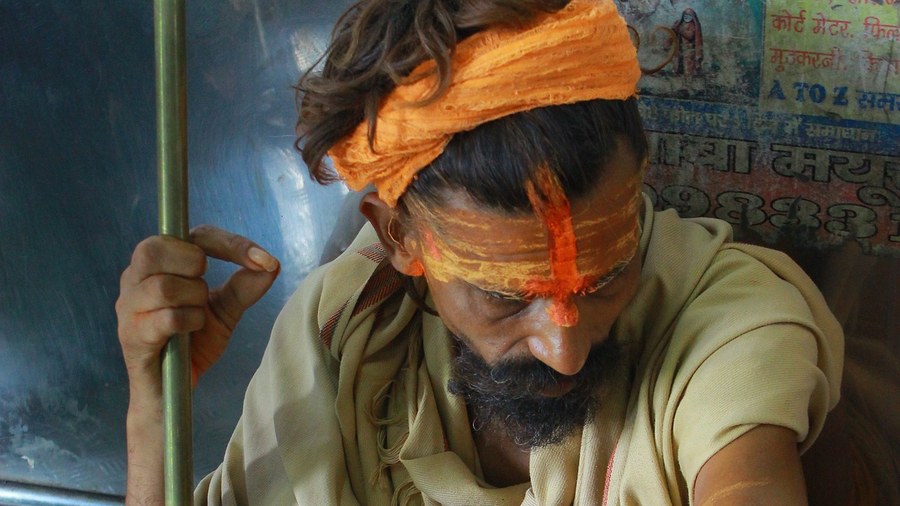
A man with traditional forehead markings in India.

“Mendicants, if wanderers of other religions were to ask: ‘Reverends, all things have what as their root? What produces them? What is their origin? What is their meeting place? What is their chief? What is their ruler? What is their overseer? What is their core?’ How would you answer them?”

“Our teachings are rooted in the Buddha. He is our guide and our refuge. Sir, may the Buddha himself please clarify the meaning of this. The mendicants will listen and remember it.”

“Well then, mendicants, I will teach it. Listen and apply your mind well, I will speak.”

“Yes, sir,” they replied. The Buddha said this:

“Mendicants, if wanderers of other religions were to ask: ‘Reverends, all things have what as their root? What produces them? What is their origin? What is their meeting place? What is their chief? What is their ruler? What is their overseer? What is their core?’ You should answer them: ‘Reverends, all things are rooted in desire. They are produced by application of mind. Contact is their origin. Feeling is their meeting place. Immersion is their chief. Mindfulness is their ruler. Wisdom is their overseer. Freedom is their core.’ When questioned by wanderers of other religions, that’s how you should answer them.”


Read this translation of Aṅguttara Nikāya 8.83 Mūlakasutta: Rooted by Bhikkhu Sujato on SuttaCentral.net. Or listen on SC-Voice.net. Or explore the Pali on DigitalPaliReader.online.

Or read a translation in Deutsch, Bengali, Español, Indonesian, မြန်မာဘာသာ, Português, ру́сский язы́к, සිංහල, ไทย, Tiếng Việt, or 汉语. Learn how to find your language.

AN 5.12 Kūṭasutta: Peak (1)

Three roof peaks in Thailand.

“Bhikkhus, there are these five trainee’s powers. What five? The power of faith, the power of moral shame, the power of moral dread, the power of energy, and the power of wisdom. These are the five trainee’s powers. Among these five trainee’s powers, the power of wisdom is foremost, the one that holds all the others in place, the one that unifies them. Just as the peak is the chief part of a peaked-roof house, the part that holds all the others in place, that unifies them, so among these five trainee powers, the power of wisdom is foremost, the one that holds all the others in place, the one that unifies them.

“Therefore, bhikkhus, you should train yourselves thus: (1) ‘We will possess the power of faith, a trainee’s power; (2) the power of moral shame, a trainee’s power; (3) the power of moral dread, a trainee’s power; (4) the power of energy, a trainee’s power; (5) the power of wisdom, a trainee’s power.’ Thus, bhikkhus, should you train yourselves.”


Read this translation of Aṅguttara Nikāya 5.12 Kūṭasutta: Peak (1) by Bhikkhu Bodhi on SuttaCentral.net. Or read a different translation on SuttaCentral.net. Or listen on SC-Voice.net. Or explore the Pali on DigitalPaliReader.online.

Or read a translation in Deutsch, Русский, বাংলা, Français, Bahasa Indonesia, 日本語, မြန်မာဘာသာ, සිංහල, ไทย, Tiếng Việt, or 汉语. Learn how to find your language.

AN 1.336 Catutthavagga: The Wise are Few

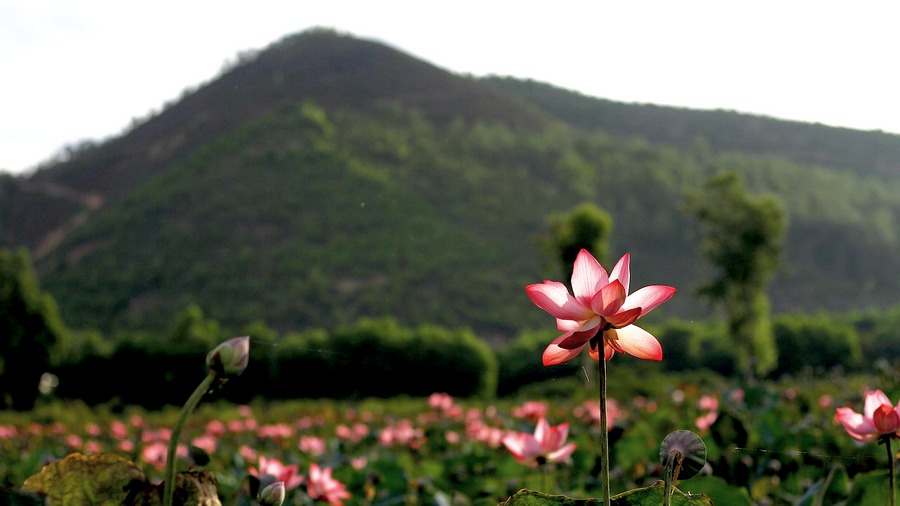
Lotus pond at the foot of a mountain.

“Just as, mendicants, in India the delightful parks, woods, meadows, and lotus ponds are few, while the hilly terrain, inaccessible riverlands, stumps and thorns, and rugged mountains are many; so too the sentient beings who are wise, bright, clever, and able to distinguish what is well said from what is poorly said are few, while the sentient beings who are witless, dull, stupid, and unable to distinguish what is well said from what is poorly said are many.


Read the complete translation of Aṅguttara Nikāya 1.333–377 Catutthavagga by Bhikkhu Sujato on SuttaCentral.net. Or read a different translation on SuttaCentral.net or SuttaFriends.org. Or listen on PaliAudio.com or SC-Voice.net. Or explore the Pali on DigitalPaliReader.online.

Or read in one of 16 other modern languages.

Dhp 372 From… Bhikkhuvagga: The Monk

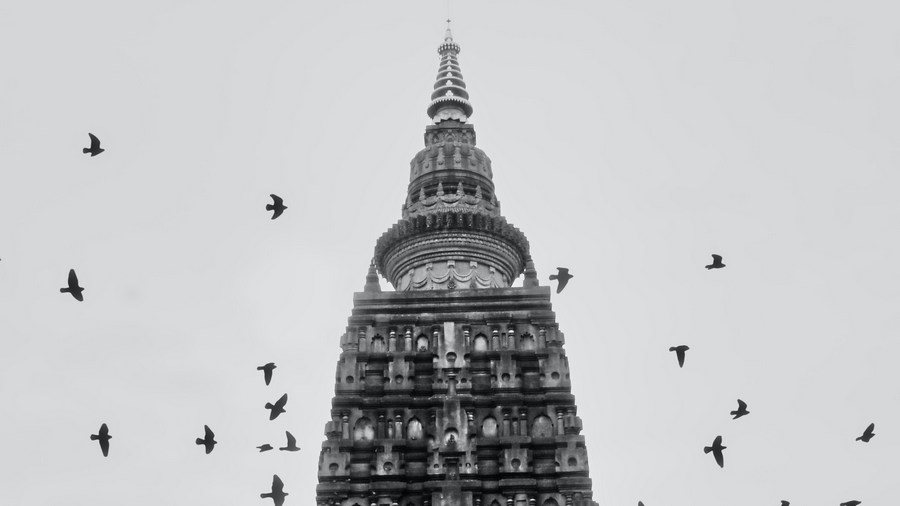
A black and white photo of the very top of the Shri Mahabodhi Temple in Bodhgaya, India.

[In this verse, paññña is translated as insight instead of the more common wisdom.]

There is no meditative concentration for him who lacks insight,
and no insight for him who lacks meditative concentration.
He in whom are found both meditative concentration and insight,
indeed, is close to Nibbana.


Read the entire translation of Dhammapada 360–382 Bhikkhuvagga: The Monk by Ven Ācāriya Buddharakkhita on SuttaCentral.net. Or read a different translation on SuttaCentral.net, SuttaFriends.org, DhammaTalks.org, Ancient-Buddhist-Texts.net or AccessToInsight.org. Or listen on SC-Voice.net. Or explore the Pali on DigitalPaliReader.online.

Or read in one of 24 other modern languages.