
ReadingFaithfully.org icon Facebook icon Bluesky icon Reddit icon Tumblr icon Mastodon icon RSS icon

SN 47.7 Makkaṭasutta: A Monkey

Monkey in a tree.

“Mendicants, in the Himalayas there are regions that are rugged and impassable. In some such regions, neither monkeys nor humans can go, while in others, monkeys can go but not humans. There are also level, pleasant places where both monkeys and humans can go. There hunters lay snares of tar on the monkey trails to catch the monkeys.

The monkeys who are not foolhardy and reckless see the tar and avoid it from afar. But a foolish and reckless monkey goes up to the tar and grabs it with a hand. He gets stuck there. Thinking to free his hand, he grabs it with his other hand. He gets stuck there. Thinking to free both hands, he grabs it with a foot. He gets stuck there. Thinking to free both hands and foot, he grabs it with his other foot. He gets stuck there. Thinking to free both hands and feet, he grabs it with his snout. He gets stuck there.

And so the monkey, trapped at five points, just lies there screeching. He’d meet with tragedy and disaster, and the hunter can do what he wants with him. The hunter spears him, pries him off that tarred block of wood, and goes wherever he wants.

That’s what happens when you roam out of your territory into the domain of others.

So, mendicants, don’t roam out of your own territory into the domain of others. If you roam out of your own territory into the domain of others, Māra will find a vulnerability and get hold of you.

And what is not a mendicant’s own territory but the domain of others? It’s the five kinds of sensual stimulation. What five? Sights known by the eye that are likable, desirable, agreeable, pleasant, sensual, and arousing. Sounds known by the ear … Smells known by the nose … Tastes known by the tongue … Touches known by the body that are likable, desirable, agreeable, pleasant, sensual, and arousing. This is not a mendicant’s own territory but the domain of others.

You should roam inside your own territory, the domain of your fathers. If you roam inside your own territory, the domain of your fathers, Māra won’t find a vulnerability or get hold of you.

And what is a mendicant’s own territory, the domain of the fathers? It’s the four kinds of mindfulness meditation. What four? It’s when a mendicant meditates by observing an aspect of the body—keen, aware, and mindful, rid of covetousness and displeasure for the world. They meditate observing an aspect of feelings … mind … principles—keen, aware, and mindful, rid of covetousness and displeasure for the world. This is a mendicant’s own territory, the domain of the fathers.”


Read this translation of Saṁyutta Nikāya 47.7 Makkaṭasutta: A Monkey by Bhikkhu Sujato on SuttaCentral.net.

Or read a different translation on SuttaCentral.net or DhammaTalks.org. Or listen on PaliAudio.com or SC-Voice.net. Or explore the Pali on DigitalPaliReader.online.

Or read a translation in Deutsch, Bengali, Español, Français, Magyar, Indonesian, မြန်မာဘာသာ, Nederlands, Norsk, Português, ру́сский язы́к, සිංහල, ไทย, Tiếng Việt, or 汉语. Learn how to find your language.


SN 46.55 From… Saṅgāravasutta: With Saṅgārava—Sensual Desire

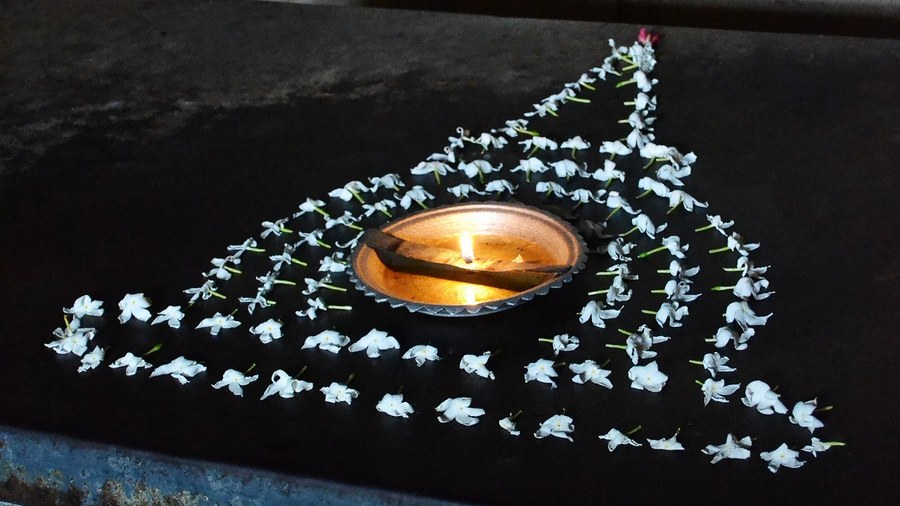
Bowl with some kind of red liquid in it.

[NOTE: The complete sutta gives similes for the five hindrances as well as a simile of a mind without hindrances. If you have time it is worth reading the whole sutta. We can contemplate these similes not only in regards to memorization but also meditation in general.]

At Sāvatthī.

Then Saṅgārava the brahmin went up to the Buddha, and exchanged greetings with him. When the greetings and polite conversation were over, he sat down to one side and said to the Buddha:

“What is the cause, Master Gotama, what is the reason why sometimes even hymns that are long-practiced don’t spring to mind, let alone those that are not practiced? And why is it that sometimes even hymns that are long-unpracticed spring to mind, let alone those that are practiced?”

“Brahmin, there’s a time when your heart is overcome and mired in sensual desire and you don’t truly understand the escape from sensual desire that has arisen. At that time you don’t truly know or see what is good for yourself, good for another, or good for both. Even hymns that are long-practiced don’t spring to mind, let alone those that are not practiced.

Suppose there was a bowl of water that was mixed with dye such as red lac, turmeric, indigo, or rose madder. Even a person with clear eyes checking their own reflection wouldn’t truly know it or see it.

In the same way, when your heart is overcome and mired in sensual desire … Even hymns that are long-practiced don’t spring to mind, let alone those that are not practiced.…


Read the entire translation of Saṁyutta Nikāya 46.55 Saṅgāravasutta: With Saṅgārava by Bhikkhu Sujato on SuttaCentral.net.

Or read a different translation on SuttaCentral.net. Or listen on SC-Voice.net. Or explore the Pali on DigitalPaliReader.online.

Or read a translation in Deutsch, Lietuvių Kalba, Bengali, Español, Magyar, Indonesian, မြန်မာဘာသာ, Norsk, Português, ру́сский язы́к, සිංහල, ไทย, Tiếng Việt, or 汉语. Learn how to find your language.

SN 45.2 Upaḍḍhasutta: Half the Holy Life

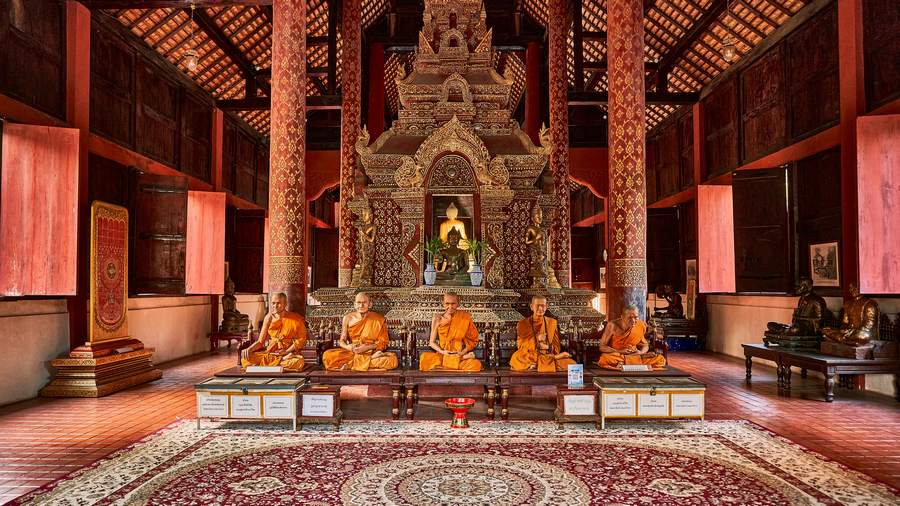
People worshiping at an elaborate Buddhist shrine featuring the Buddha in several postures with paintings from the life of the Buddha in the background.

[Note: Often just a single line of the Buddha’s response to Ven. Ananda is quoted from this sutta. But it’s important to remember the detailed meaning that the Buddha reveals.]

Thus have I heard. On one occasion the Blessed One was dwelling among the Sakyans where there was a town of the Sakyans named Nagaraka. Then the Venerable Ānanda approached the Blessed One. Having approached, he paid homage to the Blessed One, sat down to one side, and said to him:

“Venerable sir, this is half of the holy life, that is, good friendship, good companionship, good comradeship.”

“Not so, Ānanda! Not so, Ānanda! This is the entire holy life, Ānanda, that is, good friendship, good companionship, good comradeship. When a bhikkhu has a good friend, a good companion, a good comrade, it is to be expected that he will develop and cultivate the Noble Eightfold Path.

“And how, Ānanda, does a bhikkhu who has a good friend, a good companion, a good comrade, develop and cultivate the Noble Eightfold Path? Here, Ānanda, a bhikkhu develops right view, which is based upon seclusion, dispassion, and cessation, maturing in release. He develops right intention … right speech … right action … right livelihood … right effort … right mindfulness … right concentration, which is based upon seclusion, dispassion, and cessation, maturing in release. It is in this way, Ānanda, that a bhikkhu who has a good friend, a good companion, a good comrade, develops and cultivates the Noble Eightfold Path.

By the following method too, Ānanda, it may be understood how the entire holy life is good friendship, good companionship, good comradeship: by relying upon me as a good friend, Ānanda, beings subject to birth are freed from birth; beings subject to aging are freed from aging; beings subject to death are freed from death; beings subject to sorrow, lamentation, pain, displeasure, and despair are freed from sorrow, lamentation, pain, displeasure, and despair. By this method, Ānanda, it may be understood how the entire holy life is good friendship, good companionship, good comradeship.”


Read this translation of Saṁyutta Nikāya 45.2 Upaḍḍhasutta: Half the Holy Life by Bhikkhu Bodhi on SuttaCentral.net.

Or read a different translation on SuttaCentral.net or DhammaTalks.org. Or listen on SC-Voice.net. Or explore the Pali on DigitalPaliReader.online.

Or read a translation in Deutsch, Lietuvių Kalba, Polski, Bengali, Español, Français, Magyar, Indonesian, Italiano, မြန်မာဘာသာ, Nederlands, Norsk, Português, ру́сский язы́к, සිංහල, ไทย, Tiếng Việt, or 汉语. Learn how to find your language.
SN 45.161 From… Esanāsutta: Searches

Giant standing Buddha statue in front of mist covered hills.

[Note: This is an abbreviated version of an already abbreviated text. You can read the original on SuttaCentral.net]

At Sāvatthī.

“Mendicants, there are these three searches. What three? The search for sensual pleasures, the search for continued existence, and the search for a spiritual path. These are the three searches.

The noble eightfold path should be developed to directly know these three searches. What is the noble eightfold path? It’s when a mendicant develops right view, right thought, right speech, right action, right livelihood, right effort, right mindfulness, and right immersion, which rely on seclusion, fading away, and cessation, and ripen as letting go.

This is the noble eightfold path that should be developed to directly know these three searches.


“Mendicants, there are these three searches. What three? …

The noble eightfold path should be developed to directly know these three searches. What is the noble eightfold path? It’s when a mendicant develops right view, right thought, right speech, right action, right livelihood, right effort, right mindfulness, and right immersion, which culminate in the removal of greed, hate, and delusion.


“Mendicants, there are these three searches. What three? …

The noble eightfold path should be developed to directly know these three searches. What is the noble eightfold path? It’s when a mendicant develops right view, right thought, right speech, right action, right livelihood, right effort, right mindfulness, and right immersion, which culminate, finish, and end in the deathless.


“Mendicants, there are these three searches. What three? …

The noble eightfold path should be developed to directly know these three searches. What is the noble eightfold path? It’s when a mendicant develops right view, right thought, right speech, right action, right livelihood, right effort, right mindfulness, and right immersion, which slants, slopes, and inclines to extinguishment.


The noble eightfold path should be developed to completely understand …”

The noble eightfold path should be developed to finish …”

The noble eightfold path should be developed to give up …”


Read the entire translation of Saṁyutta Nikāya 45.161 Esanāsutta: Searches by Bhikkhu Sujato on SuttaCentral.net. Or read a different translation on SuttaCentral.net. Or listen on SC-Voice.net. Or explore the Pali on DigitalPaliReader.online.

Or read a translation in Deutsch, Bengali, Español, Indonesian, မြန်မာဘာသာ, Norsk, Português, ру́сский язы́к, සිංහල, ไทย, Tiếng Việt, or 汉语. Learn how to find your language.

SN 45.4 Jāṇussoṇibrāhmaṇasutta: Regarding the Brahmin Jāṇussoṇi

Large statue of white chariot with white horses.

At Sāvatthī.

Then Venerable Ānanda robed up in the morning and, taking his bowl and robe, entered Sāvatthī for alms. He saw the brahmin Jāṇussoṇi driving out of Sāvatthī in a splendid all-white chariot drawn by mares. The yoked horses were pure white, as were the ornaments, chariot, upholstery, reins, goad, and canopy. And his turban, robes, sandals were white, as was the chowry fanning him.

When people saw it they exclaimed, “Wow! That’s a Brahmā vehicle! It’s a vehicle fit for Brahmā!”

Then Ānanda wandered for alms in Sāvatthī. After the meal, on his return from almsround, he went to the Buddha, bowed, sat down to one side, and told him what had happened, adding, “Sir, can you point out a Brahmā vehicle in this teaching and training?”

“I can, Ānanda,” said the Buddha.

“These are all terms for the noble eightfold path: ‘vehicle of Brahmā’, or else ‘vehicle of truth’, or else ‘supreme victory in battle’.

When right view is developed and cultivated it culminates with the removal of greed, hate, and delusion. When right thought … right speech … right action … right livelihood … right effort … right mindfulness … right immersion is developed and cultivated it culminates with the removal of greed, hate, and delusion.

This is a way to understand how these are all terms for the noble eightfold path: ‘vehicle of Brahmā’, or else ‘vehicle of truth’, or else ‘supreme victory in battle’.”

That is what the Buddha said.

Then the Holy One, the Teacher, went on to say:

“Its qualities of faith and wisdom
are always yoked to the shaft.
Conscience is its pole, mind its strap,
and mindfulness its careful driver.

The chariot’s equipped with ethics,
its axle is absorption, and energy its wheel.
Equanimity and immersion are the carriage-shaft,
and it’s upholstered with desirelessness.

Good will, harmlessness, and seclusion
are its weapons,
patience its shield and armor,
as it rolls on to sanctuary from the yoke.

This supreme Brahmā vehicle
arises in oneself.
The wise leave the world in it,
sure of winning the victory.”


Read this translation of Saṁyutta Nikāya 45.4 Jāṇussoṇibrāhmaṇasutta: Regarding the Brahmin Jāṇussoṇi by Bhikkhu Sujato on SuttaCentral.net. Or read a different translation on SuttaCentral.net or DhammaTalks.org. Or listen on SC-Voice.net. Or explore the Pali on DigitalPaliReader.online.

Or read a translation in Deutsch, Bengali, Français, Indonesian, Italiano, မြန်မာဘာသာ, Norsk, ру́сский язы́к, සිංහල, ไทย, Tiếng Việt, or 汉语. Learn how to find your language.

SN 14.28 Aṭṭhaṅgikasutta: The Eightfold Path

Group of people sitting in an ornate Buddhist shrine room.

At Sāvatthī.

“Mendicants, sentient beings come together and converge because of an element: those of wrong view with those of wrong view … wrong thought … wrong speech … wrong action … wrong livelihood … wrong effort … wrong mindfulness … wrong immersion …

Those who have right view … right thought … right speech … right action … right livelihood … right effort … right mindfulness … right immersion with those who have right immersion.”


Read this translation of Saṁyutta Nikāya 14.28 Aṭṭhaṅgikasutta: The Eightfold Path by Bhikkhu Sujato on SuttaCentral.net. Or read a different translation on SuttaCentral.net. Or listen on PaliAudio.com or SC-Voice.net. Or explore the Pali on DigitalPaliReader.online.

Or read a translation in Deutsch, Bengali, Indonesian, မြန်မာဘာသာ, Norsk, ру́сский язы́к, සිංහල, ไทย, Tiếng Việt, or 汉语. Learn how to find your language.

SN 45.160 Nadīsutta: A River

A boat on the river Ganges.

“Mendicants, suppose that, although the Ganges river slants, slopes, and inclines to the east, a large crowd were to come along with a spade and basket, saying: ‘We’ll make this Ganges river slant, slope, and incline to the west!’

What do you think, mendicants? Would they succeed?”

“No, sir. Why is that? The Ganges river slants, slopes, and inclines to the east. It’s not easy to make it slant, slope, and incline to the west. That large crowd will eventually get weary and frustrated.”

“In the same way, while a mendicant develops and cultivates the noble eightfold path, if rulers or their ministers, friends or colleagues, relatives or family should invite them to accept wealth, saying: ‘Please, mister, why let these ocher robes torment you? Why follow the practice of shaving your head and carrying an alms bowl? Come, return to a lesser life, enjoy wealth, and make merit!’ It’s quite impossible for a mendicant who develops and cultivates the noble eightfold path to resign the training and return to a lesser life. Why is that? Because for a long time that mendicant’s mind has slanted, sloped, and inclined to seclusion. So it’s impossible for them to return to a lesser life.

And how does a mendicant develop the noble eightfold path? It’s when a mendicant develops right view, right thought, right speech, right action, right livelihood, right effort, right mindfulness, and right immersion, which rely on seclusion, fading away, and cessation, and ripen as letting go. That’s how a mendicant develops and cultivates the noble eightfold path.”


Read this translation of Saṁyutta Nikāya 45.160 Nadīsutta: A River by Bhikkhu Sujato on SuttaCentral.net. Or read a different translation on SuttaCentral.net. Or listen on SC-Voice.net. Or explore the Pali on DigitalPaliReader.online.

Or read a translation in Deutsch, Bengali, Español, Indonesian, မြန်မာဘာသာ, Norsk, ру́сский язы́к, සිංහල, ไทย, Tiếng Việt, or 汉语. Learn how to find your language.

SN 45.27 Kumbhasutta: Pots

A pot with a rounded bottom as is common in Southeast Asia.

At Sāvatthī.

“A pot without a stand is easy to overturn, but if it has a stand it’s hard to overturn. In the same way, a mind without a stand is easy to overturn, but if it has a stand it’s hard to overturn.

And what’s the stand for the mind? It is simply this noble eightfold path, that is: right view, right thought, right speech, right action, right livelihood, right effort, right mindfulness, and right immersion. This is the stand for the mind.

A pot without a stand is easy to overturn, but if it has a stand it’s hard to overturn. In the same way, a mind without a stand is easy to overturn, but if it has a stand it’s hard to overturn.”


Read this translation of Saṁyutta Nikāya 45.27 Kumbhasutta: Pots by Bhikkhu Sujato on SuttaCentral.net. Or read a different translation on SuttaCentral.net or DhammaTalks.org. Or listen on SC-Voice.net. Or explore the Pali on DigitalPaliReader.online.

Or read a translation in Deutsch, Bengali, Español, Indonesian, မြန်မာဘာသာ, Norsk, Português, ру́сский язы́к, සිංහල, ไทย, Tiếng Việt, or 汉语. Learn how to find your language.

SN 45.150 Bījasutta: Seeds

Several small seedlings.

“Bhikkhus, just as whatever kinds of seed and plant life attain to growth, increase, and expansion, all do so based upon the earth, established upon the earth, so too, based upon virtue, established upon virtue, a bhikkhu develops and cultivates the Noble Eightfold Path, and thereby he attains to growth, increase, and expansion in wholesome states.

“And how does a bhikkhu do so? Here, bhikkhus, a bhikkhu develops right view … right intention … right speech … right action … right livelihood … right effort … right mindfulness … right concentration, which is based upon seclusion, dispassion, and cessation, maturing in release. It is in this way, bhikkhus, that a bhikkhu, based upon virtue, established upon virtue, develops and cultivates the Noble Eightfold Path, and thereby attains to growth, increase, and expansion in wholesome states.”


Read this translation of Saṁyutta Nikāya 45.150 Bījasutta: Seeds by Bhikkhu Bodhi on SuttaCentral.net.

SN 45.155 Ākāsasutta: The Sky

Person wearing white walking down a forest path.

“Bhikkhus, just as various winds blow in the sky—easterly winds, westerly winds, northerly winds, southerly winds, dusty winds and dustless winds, cold winds and hot winds, gentle winds and strong winds —so too, when a bhikkhu develops and cultivates the Noble Eightfold Path, then for him

  • the four establishments of mindfulness go to fulfilment by development;
  • the four right strivings go to fulfilment by development;
  • the four bases for spiritual power go to fulfilment by development;
  • the five spiritual faculties go to fulfilment by development;
  • the five powers go to fulfilment by development;
  • the seven factors of enlightenment go to fulfilment by development.

“And how is this so? Here, bhikkhus, a bhikkhu develops right view … right intention … right speech … right action … right livelihood … right effort … right mindfulness … right concentration, which is based upon seclusion, dispassion, and cessation, maturing in release. It is in this way, bhikkhus, that when a bhikkhu develops and cultivates the Noble Eightfold Path, then for him the four establishments of mindfulness … the seven factors of enlightenment go to fulfilment by development.”


Read this translation of Saṁyutta Nikāya 45.155 Ākāsasutta: The Sky by Bhikkhu Bodhi on SuttaCentral.net. Or read a different translation on SuttaCentral.net or DhammaTalks.org. Or listen on SC-Voice.net. Or explore the Pali on DigitalPaliReader.online.

Or read a translation in Deutsch, Bengali, Español, Indonesian, မြန်မာဘာသာ, Norsk, ру́сский язы́к, සිංහල, ไทย, Tiếng Việt, or 汉语. Learn how to find your language.

SN 45.9 Sūkasutta: The Spike

Hand grabbing stalks of grain.

At Savatthī. “Bhikkhus, suppose a spike of rice or a spike of barley were wrongly directed and were pressed upon by the hand or the foot. That it could pierce the hand or the foot and draw blood: this is impossible. For what reason? Because the spike is wrongly directed. So too, bhikkhus, that a bhikkhu with a wrongly directed view, with a wrongly directed development of the path, could pierce ignorance, arouse true knowledge, and realize Nibbāna: this is impossible. For what reason? Because his view is wrongly directed.

“Bhikkhus, suppose a spike of rice or a spike of barley were rightly directed and were pressed upon by the hand or the foot. That it could pierce the hand or the foot and draw blood: this is possible. For what reason? Because the spike is rightly directed. So too, bhikkhus, that a bhikkhu with a rightly directed view, with a rightly directed development of the path, could pierce ignorance, arouse true knowledge, and realize Nibbāna: this is possible. For what reason? Because his view is rightly directed.

“And how does a bhikkhu do so? Here, bhikkhus, a bhikkhu develops right view, which is based upon seclusion, dispassion, and cessation, maturing in release. He develops right intention … right speech … right action … right livelihood … right effort … right mindfulness … right concentration, which is based upon seclusion, dispassion, and cessation, maturing in release.

“It is in this way, bhikkhus, that a bhikkhu with a rightly directed view, with a rightly directed development of the path, pierces ignorance, arouses true knowledge, and realizes Nibbāna.”


Read this translation of Saṁyutta Nikāya 45.9 Sūkasutta: The Spike by Bhikkhu Bodhi on SuttaCentral.net. Or read a different translation on SuttaCentral.net. Or listen on SC-Voice.net. Or explore the Pali on DigitalPaliReader.online.

Or read a translation in Deutsch, Bengali, Español, Indonesian, မြန်မာဘာသာ, Norsk, ру́сский язы́к, සිංහල, ไทย, Tiếng Việt, or 汉语. Learn how to find your language.

SN 45.8 Vibhaṅgasutta: Analysis

Ancient Buddhist ruins with Buddha statues.

At Savatthī. “Bhikkhus, I will teach you the Noble Eightfold Path and I will analyse it for you. Listen to that and attend closely, I will speak.”

“Yes, venerable sir,” those bhikkhus replied. The Blessed One said this:

“And what, bhikkhus, is the Noble Eightfold Path? Right view, right intention, right speech, right action, right livelihood, right effort, right mindfulness, right concentration.

“And what, bhikkhus, is right view? Knowledge of suffering, knowledge of the origin of suffering, knowledge of the cessation of suffering, knowledge of the way leading to the cessation of suffering: this is called right view.

“And what, bhikkhus, is right intention? Intention of renunciation, intention of non-ill will, intention of harmlessness: this is called right intention.

“And what, bhikkhus, is right speech? Abstinence from false speech, abstinence from divisive speech, abstinence from harsh speech, abstinence from idle chatter: this is called right speech.

“And what, bhikkhus, is right action? Abstinence from the destruction of life, abstinence from taking what is not given, abstinence from sexual misconduct: this is called right action.

“And what, bhikkhus, is right livelihood? Here a noble disciple, having abandoned a wrong mode of livelihood, earns his living by a right livelihood: this is called right livelihood.

“And what, bhikkhus, is right effort? Here, bhikkhus, a bhikkhu generates desire for the nonarising of unarisen evil unwholesome states; he makes an effort, arouses energy, applies his mind, and strives. He generates desire for the abandoning of arisen evil unwholesome states…. He generates desire for the arising of unarisen wholesome states…. He generates desire for the maintenance of arisen wholesome states, for their nondecay, increase, expansion, and fulfilment by development; he makes an effort, arouses energy, applies his mind, and strives. This is called right effort.

“And what, bhikkhus is right mindfulness? Here, bhikkhus, a bhikkhu dwells contemplating the body in the body, ardent, clearly comprehending, mindful, having removed covetousness and displeasure in regard to the world. He dwells contemplating feelings in feelings, ardent, clearly comprehending, mindful, having removed covetousness and displeasure in regard to the world. He dwells contemplating mind in mind, ardent, clearly comprehending, mindful, having removed covetousness and displeasure in regard to the world. He dwells contemplating phenomena in phenomena, ardent, clearly comprehending, mindful, having removed covetousness and displeasure in regard to the world. This is called right mindfulness.

“And what, bhikkhus, is right concentration? Here, bhikkhus, secluded from sensual pleasures, secluded from unwholesome states, a bhikkhu enters and dwells in the first jhana, which is accompanied by thought and examination, with rapture and happiness born of seclusion. With the subsiding of thought and examination, he enters and dwells in the second jhana, which has internal confidence and unification of mind, is without thought and examination, and has rapture and happiness born of concentration. With the fading away as well of rapture, he dwells equanimous and, mindful and clearly comprehending, he experiences happiness with the body; he enters and dwells in the third jhana of which the noble ones declare: ‘He is equanimous, mindful, one who dwells happily.’ With the abandoning of pleasure and pain, and with the previous passing away of joy and displeasure, he enters and dwells in the fourth jhana, which is neither painful nor pleasant and includes the purification of mindfulness by equanimity. This is called right concentration.”


Read this translation of Saṁyutta Nikāya 45.8 Vibhaṅgasutta: Analysis by Bhikkhu Bodhi on SuttaCentral.net. Or read a different translation on SuttaCentral.net or DhammaTalks.org. Or listen on SC-Voice.net. Or explore the Pali on DigitalPaliReader.online.

Or read a translation in Deutsch, Lietuvių Kalba, Bengali, Español, Français, Indonesian, Italiano, မြန်မာဘာသာ, Norsk, Português, ру́сский язы́к, සිංහල, Slovenščina, Svenska, தமிழ், ไทย, Tiếng Việt, or 汉语. Learn how to find your language.

SN 45.14 Paṭhamauppādasutta: Arising (1st)

Large painted Buddha statue at dusk with a light in his hands.

At Sāvatthī.

“Mendicants, these eight things don’t arise to be developed and cultivated except when a Realized One, a perfected one, a fully awakened Buddha has appeared. What eight? They are: right view, right thought, right speech, right action, right livelihood, right effort, right mindfulness, and right immersion. These eight things don’t arise to be developed and cultivated except when a Realized One, a perfected one, a fully awakened Buddha has appeared.”


Read this translation of Saṁyutta Nikāya 45.14 Paṭhamauppādasutta: Arising (1st) by Bhikkhu Sujato on SuttaCentral.net. Or read a different translation on SuttaCentral.net. Or listen on SC-Voice.net. Or explore the Pali on DigitalPaliReader.online.

Or read a translation in Deutsch, Bengali, Español, Indonesian, မြန်မာဘာသာ, Norsk, Português, ру́сский язы́к, සිංහල, ไทย, Tiếng Việt, or 汉语. Learn how to find your language.

SN 48.41 Jarā Sutta: Old Age

Closeup of hands of old person holding a small, old photo of a young person in a frame.

I have heard that on one occasion the Blessed One was staying near Sāvatthī in the Eastern Monastery, the palace of Migāra’s mother. Now on that occasion the Blessed One, on emerging from his seclusion in the evening, sat warming his back in the western sun.

Then Ven. Ānanda went to the Blessed One and, on arrival, having bowed down to the Blessed One, massaged the Blessed One’s limbs with his hand and said, “It’s amazing, lord. It’s astounding, how the Blessed One’s complexion is no longer so clear & bright; his limbs are flabby & wrinkled; his back, bent forward; there’s a discernible change in his faculties—the faculty of the eye, the faculty of the ear, the faculty of the nose, the faculty of the tongue, the faculty of the body.”

“That’s the way it is, Ānanda. When young, one is subject to aging; when healthy, subject to illness; when alive, subject to death. The complexion is no longer so clear & bright; the limbs are flabby & wrinkled; the back, bent forward; there’s a discernible change in the faculties—the faculty of the eye, the faculty of the ear, the faculty of the nose, the faculty of the tongue, the faculty of the body.”

That is what the Blessed One said. Having said that, the One Well-Gone, the Teacher, said further:

“I spit on you, wretched old age—
old age that makes for ugliness.
The bodily image, so charming,
      is trampled by old age.
Even those who live to a hundred
are headed—all—to an end in death,
      which spares no one,
      which tramples all.”


Read this translation of Saṁyutta Nikāya 48.41 Jarā Sutta. Old Age by Bhikkhu Ṭhanissaro on DhammaTalks.org. Or read a different translation on SuttaCentral.net. Or listen on SC-Voice.net. Or explore the Pali on DigitalPaliReader.online.

Or read a translation in Deutsch, Bengali, Indonesian, Italiano, မြန်မာဘာသာ, Norsk, Português, ру́сский язы́к, සිංහල, ไทย, Tiếng Việt, or 汉语. Learn how to find your language.
SN 3.1 Daharasutta: Young

Baby snake.

So I have heard. At one time the Buddha was staying near Sāvatthī in Jeta’s Grove, Anāthapiṇḍika’s monastery.

Then King Pasenadi of Kosala went up to the Buddha, and exchanged greetings with him. When the greetings and polite conversation were over, he sat down to one side and said to the Buddha, “Does Master Gotama claim to have awakened to the supreme perfect awakening?”

“If anyone should rightly be said to have awakened to the supreme perfect awakening, it’s me. For, great king, I have awakened to the supreme perfect awakening.”

“Well, there are those ascetics and brahmins who lead an order and a community, and teach a community. They’re well-known and famous religious founders, deemed holy by many people. That is, Pūraṇa Kassapa, the bamboo-staffed ascetic Gosāla, the Jain ascetic of the Ñātika clan, Sañjaya Belaṭṭhiputta, Pakudha Kaccāyana, and Ajita of the hair blanket. I also asked them whether they claimed to have awakened to the supreme perfect awakening, but they made no such claim. So why do you, given that you’re so young in age and newly gone forth?”

“Great king, these four things should not be looked down upon or disparaged because they are young. What four? An aristocrat, a serpent, a fire, and a mendicant. These four things should not be looked down upon or disparaged because they are young.”

That is what the Buddha said. Then the Holy One, the Teacher, went on to say:

“A man should not despise
an aristocrat of impeccable lineage,
high-born and famous,
just because they’re young.

For it’s possible that that lord of men,
as aristocrat, will gain the throne.
And in his anger he’ll execute a royal punishment,
and have you violently beaten.
Hence you should avoid him
for the sake of your own life.

Whether in village or wilderness,
wherever a serpent is seen,
a man should not look down on it
or despise it for its youth.

With its rainbow of colors,
the serpent of fiery breath glides along.
It lashes out and bites the fool,
both men and women alike.
Hence you should avoid it
for the sake of your own life.

A fire devours a huge amount,
a conflagration with a blackened trail.
A man should not look down on it
just because it’s young.

For once it gets fuel
it’ll become a huge conflagration.
It’ll lash out and burn the fool,
both men and women alike.
Hence you should avoid it
for the sake of your own life.

When a forest is burned by fire,
a conflagration with a blackened trail,
the shoots will spring up there again,
with the passing of the days and nights.

But if a mendicant endowed with ethics
burns you with their power,
you’ll have no sons or cattle,
nor will your heirs find wealth.
Childless and heirless you become,
like a palm-tree stump.

That’s why an astute person,
seeing what’s good for themselves,
would always treat these properly:
a snake, a conflagration,
a famous aristocrat,
and a mendicant endowed with ethics.”

When this was said, King Pasenadi of Kosala said to the Buddha, “Excellent, sir! Excellent! As if he were righting the overturned, or revealing the hidden, or pointing out the path to the lost, or lighting a lamp in the dark so people with good eyes can see what’s there, the Buddha has made the teaching clear in many ways. I go for refuge to the Buddha, to the teaching, and to the mendicant Saṅgha. From this day forth, may the Buddha remember me as a lay follower who has gone for refuge for life.”


Read this translation of Saṁyutta Nikāya 3.1 Daharasutta: Young by Bhikkhu Sujato on SuttaCentral.net. Or read a different translation on SuttaCentral.net, SuttaFriends.org or DhammaTalks.org. Or listen on PaliAudio.com or SC-Voice.net. Or explore the Pali on DigitalPaliReader.online.

Or read a translation in Deutsch, Bengali, Català, Español, Indonesian, Italiano, မြန်မာဘာသာ, Norsk, Português, ру́сский язы́к, සිංහල, ไทย, Tiếng Việt, or 汉语. Learn how to find your language.
SN 46.42 Cakkavattisutta: Wheel-Turning Monarch

Bust of a giant Buddha statue.

“Bhikkhus, with the manifestation of a wheel-turning monarch comes the manifestation of seven gems. What seven? There comes the manifestation of the wheel-gem, the elephant-gem, the horse-gem, the jewel-gem, the woman-gem, the steward-gem, and the commander-gem.

“With the manifestation of a Tathagata, bhikkhus, an Arahant, a Perfectly Enlightened One, comes the manifestation of the seven gems of the factors of enlightenment. What seven? There comes the manifestation of

  • the gem of the enlightenment factor of mindfulness
  • the gem of the enlightenment factor of discrimination of states,
  • the gem of the enlightenment factor of energy,
  • the gem of the enlightenment factor of rapture,
  • the gem of the enlightenment factor of tranquillity,
  • the gem of the enlightenment factor of concentration
  • the gem of the enlightenment factor of equanimity.

With the manifestation of a Tathagata, an Arahant, a Perfectly Enlightened One, comes the manifestation of these seven gems of the factors of enlightenment.”


Note: You can learn about the nutriment for each of the enlightenment factors in SN 46.2 Kāya. You can learn about the seven gems of a wheel turning monarch in MN 129 Bālapaṇḍita.

Read this translation of Saṁyutta Nikāya 46.42 Cakkavattisutta: Wheel-Turning Monarch by Bhikkhu Bodhi on SuttaCentral.net. Or read a different translation on SuttaCentral.net. Or listen on SC-Voice.net. Or explore the Pali on DigitalPaliReader.online.

Or read a translation in Deutsch, Bengali, Español, Indonesian, မြန်မာဘာသာ, Norsk, Português, ру́сский язы́к, සිංහල, ไทย, Tiếng Việt, or 汉语. Learn how to find your language.
SN 46.51 From… Āhārasutta: Nutriment

Abstract painting, possibly of fire and sky.

At Savatthī. “Bhikkhus, I will teach you the nutriment and the denourishment in regard to the five hindrances and the seven factors of enlightenment. Listen to that.…

“And what, bhikkhus, is the nutriment for the arising of unarisen ill will and for the increase and expansion of arisen ill will? There is, bhikkhus, the sign of the repulsive: frequently giving careless attention to it is the nutriment for the arising of unarisen ill will and for the increase and expansion of arisen ill will.

“And what, bhikkhus, is the denourishment that prevents unarisen ill will from arising and arisen ill will from increasing and expanding? There is, bhikkhus, the liberation of mind through lovingkindness: frequently giving careful attention to it is the denourishment that prevents unarisen ill will from arising and arisen ill will from increasing and expanding.


Read the entire translation of Saṁyutta Nikāya 46.51 Āhārasutta: Nutriment by Bhikkhu Bodhi on SuttaCentral.net. Or read a different translation on SuttaCentral.net or DhammaTalks.org. Or listen on SC-Voice.net. Or explore the Pali on DigitalPaliReader.online.

SN 55.22 Mahānāma Sutta: To Mahānāma (2)

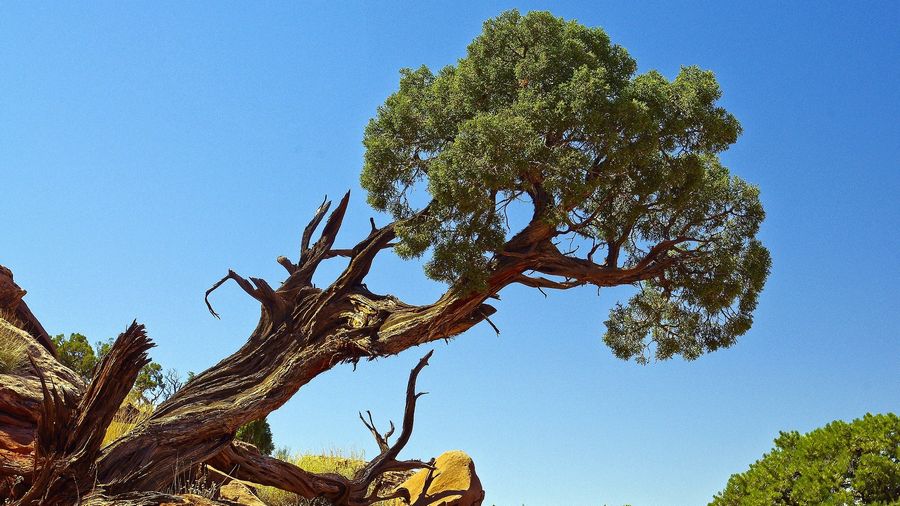
An old tree leaning sharply to the side.

I have heard that on one occasion the Blessed One was staying among the Sakyans near Kapilavatthu in the Banyan Park. Then Mahānāma the Sakyan went to the Blessed One and, on arrival, having bowed down to him, sat to one side. As he was sitting there, he said to the Blessed One, “Lord, this Kapilavatthu is rich & prosperous, populous & crowded, its alleys congested. Sometimes, when I enter Kapilavatthu in the evening after visiting with the Blessed One or with the monks who inspire the mind, I meet up with a runaway elephant, a runaway horse, a runaway chariot, a runaway cart, or a runaway person. At times like that my mindfulness with regard to the Blessed One gets muddled, my mindfulness with regard to the Dhamma… the Saṅgha gets muddled. The thought occurs to me, ‘If I were to die at this moment, what would be my destination? What would be my future course?”

“Have no fear, Mahānāma! Have no fear! Your death will not be a bad one, your demise will not be bad. A disciple of the noble ones, when endowed with four qualities, leans toward unbinding, slants toward unbinding, inclines toward unbinding. Which four?

“There is the case where the disciple of the noble ones is endowed with verified confidence in the Awakened One: ‘Indeed, the Blessed One is worthy & rightly self-awakened, consummate in clear-knowing & conduct, well-gone, an expert with regard to the cosmos, unexcelled trainer of people fit to be tamed, teacher of devas & human beings, awakened, blessed.’

“He/she is endowed with verified confidence in the Dhamma: ‘The Dhamma is well taught by the Blessed One, to be seen here & now, timeless, inviting verification, pertinent, to be experienced by the observant for themselves.’

“He/she is endowed with verified confidence in the Saṅgha: ‘The Saṅgha of the Blessed One’s disciples who have practiced well… who have practiced straight-forwardly… who have practiced methodically… who have practiced masterfully—in other words, the four types of noble disciples when taken as pairs, the eight when taken as individual types—they are the Saṅgha of the Blessed One’s disciples: deserving of gifts, deserving of hospitality, deserving of offerings, deserving of respect, the incomparable field of merit for the world.’

“He/she is endowed with virtues that are appealing to the noble ones: untorn, unbroken, unspotted, unsplattered, liberating, praised by the observant, ungrasped at, leading to concentration.

“Suppose a tree were leaning toward the east, slanting toward the east, inclining toward the east. When its root is cut, which way would it fall?”

“In whichever way it was leaning, slanting, and inclining, lord.”

“In the same way, Mahānāma, a disciple of the noble ones, when endowed with four qualities, leans toward unbinding, slants toward unbinding, inclines toward unbinding.”


Read this translation of Saṁyutta Nikāya 55.22 Mahānāma Sutta. To Mahānāma (2) by Bhikkhu Ṭhanissaro on DhammaTalks.org. Or read a different translation on SuttaCentral.net, or SuttaFriends.org. Or listen on SC-Voice.net. Or explore the Pali on DigitalPaliReader.online.

SN 55.17 Dutiya Mittāmacca Sutta: Friends 2

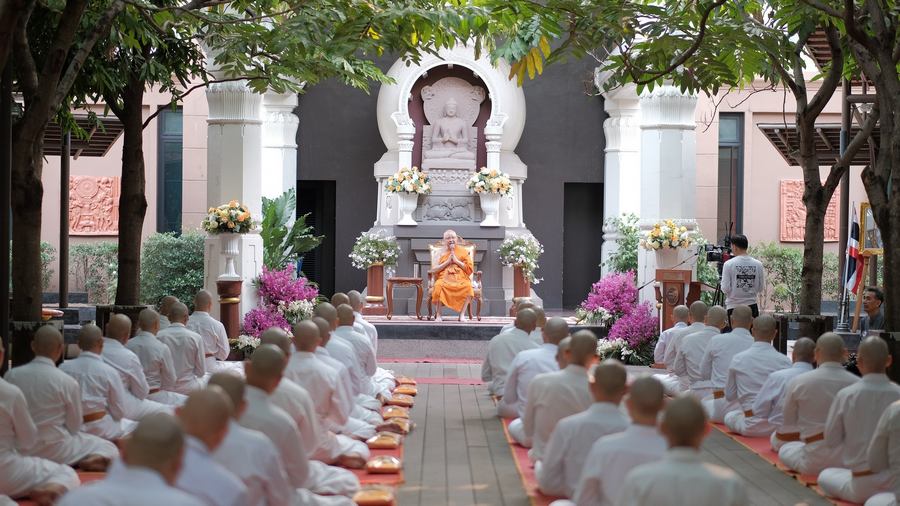
Buddhist monastic teaching a large group of people wearing white.

“Monks, you have friends, relatives and family members who you have sympathy for. If they listen to your advice, you should establish them in the four factors of stream-entry. You should encourage them to have the four factors of stream-entry. What four?

“You should establish them and encourage them to have unshakable confidence in the Buddha…

“Monks, there might be change in the four primary elements—earth, water, fire, and air—but a noble disciple with unshakable confidence in the Buddha would never change. In this context, ‘change’ means that such a noble disciple will be reborn in hell, the animal world, or the ghost world: this is not possible.

“You should establish them and encourage them to have the unshakable confidence in the Dhamma…

“You should establish them and encourage them to have the unshakable confidence in the Saṅgha…

“You should establish them and encourage them to have virtue loved by the noble ones… leading to concentration.

“Monks, there might be change in the four primary elements—earth, water, fire, and air—but a noble disciple with the ethical conduct loved by the noble ones would never change. In this context, ‘change’ means that such a noble disciple will be reborn in hell, the animal world, or the ghost world: this is not possible.

“Monks, you should establish your friends, relatives and family members who you have sympathy for, in these four factors of stream-entry. If they listen to your advice, you should encourage them to have these four factors of stream-entry.”


Read this translation of Saṁyutta Nikāya 55.17 Dutiya Mittāmacca Sutta: Friends 2 by Ven. Kiribathgoda Gnananda Thero on SuttaFriends.org. Or read a different translation on SuttaCentral.net. Or listen on SC-Voice.net. Or explore the Pali on DigitalPaliReader.online.

SN 3.2 Purisasutta: A Person

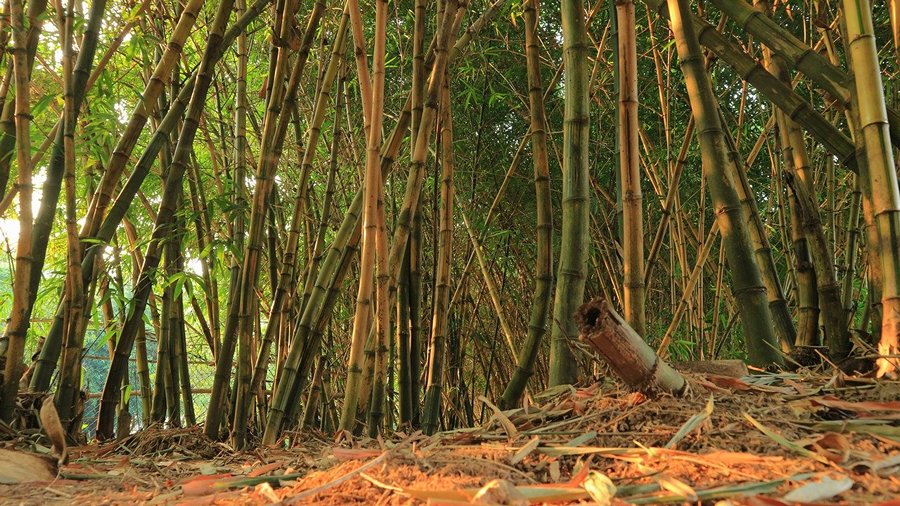
Bamboo forest.

At Sāvatthī.

Then King Pasenadi of Kosala went up to the Buddha, bowed, sat down to one side, and said to the Buddha, “Sir, how many things arise inside a person for their harm, suffering, and discomfort?”

“Great king, three things arise inside a person for their harm, suffering, and discomfort. What three? Greed, hate, and delusion. These three things arise inside a person for their harm, suffering, and discomfort.”

That is what the Buddha said. …

“When greed, hate, and delusion,
have arisen inside oneself,
they harm a person of wicked heart,
as a reed is destroyed by its own fruit.”


Read this translation of SN 3.2 Purisasutta: A Person by Bhikkhu Sujato on SuttaCentral.net. Or read a different translation on SuttaFriends.org. Or listen on PaliAudio.com or SC-Voice.net.

SN 7.1 Dhanañjānī Sutta: Husband of Dhanañjānī

Drop of water on tip of leaf.

This is as I heard. At one time, the Buddha was living in the city of Rājagaha, in the Bamboo Garden, in the squirrels’ feeding ground.

Now at that time, there was a person named Bhāradvāja of the brahmin caste. His wife was named Dhanañjānī and was devoted to the Buddha, the Dhamma, and the Saṅgha. Once, while she was bringing her husband his meal, she tripped and remembered the Buddha, saying three times:

“Homage to the Blessed One, the liberated one, the fully enlightened Buddha!
“Homage to the Blessed One, the liberated one, the fully enlightened Buddha!”

When she said this, her husband said, “Are you crazy? Wretched woman, while living in my house, are you praising that bald headed monk? You know what? I’m going to go right now and argue against your master’s teaching!”

“Dear husband, I don’t see anyone in this world with its gods, Māras, Brahmās, monks, and humans who can argue against the teaching of the Blessed One, the Worthy One, the fully enlightened Buddha. But anyway, you can go and see for yourself.”

Then Bhāradvāja, angry and upset, went to the Buddha and exchanged greetings with him. When the greetings and polite conversation were over, he sat down to one side, and asked the Buddha in verse:

“What should you kill to sleep at ease?
What should you kill so that there is no sadness?
What is the one thing whose killing you approve?”

The Buddha:

“When anger is killed, you sleep at ease.
When anger is killed, there is no sadness.
Bhāradvāja, anger has a poisonous root
and a sweet tip.
The noble ones praise the killing of anger,
for when it is killed, there is no sadness.”

When the Buddha taught this Dhamma, Bhāradvāja said to him, “Excellent, Master Gotama! Excellent! Just as if someone turned upright, what was upside down, revealed what was hidden, pointed out the path to whoever was lost, or lit a lamp in the dark so people with good eyes could see what’s there, Master Gotama taught me the Dhamma, which is clear in many ways. I go for refuge to Master Gotama, to the Dhamma, and to the Saṅgha. Bhante, may I become a monk under you?”

And he became a monk under the Buddha. Not long after his ordination, Bhante Bhāradvāja, living alone, withdrawn, diligent, passionate, and firm, soon realized the supreme goal of the spiritual path in this very life. He achieved with his own wisdom the goal for which a son would leave the lay life to become a monk.

He realized: “Rebirth has ended. The spiritual journey has been completed. What had to be done to end suffering has been done. There will be no rebirth.” Therefore, Bhante Bhāradvāja became one of the enlightened monks.


Read this translation of Saṁyutta Nikāya 7.1 Dhanañjānī Sutta: Husband of Dhanañjānī by Ven. Kiribathgoda Gnananda Thero on SuttaFriends.org. Or read a different translation on SuttaCentral.net. Or listen on PaliAudio.com or SC-Voice.net.

SN 22.5 Samādhisutta: Concentration

Abstract circle painting.

Thus have I heard. At Savatthi…. There the Blessed One said this:

“Bhikkhus, develop concentration. A bhikkhu who is concentrated understands things as they really are.

“And what does he understand as it really is? The origin and passing away of form; the origin and passing away of feeling; the origin and passing away of perception; the origin and passing away of volitional formations; the origin and passing away of consciousness.

“And what, bhikkhus, is the origin of form? What is the origin of feeling? What is the origin of perception? What is the origin of volitional formations? What is the origin of consciousness?

“Here, bhikkhus, one seeks delight, one welcomes, one remains holding. And what is it that one seeks delight in, what does one welcome, to what does one remain holding? One seeks delight in form, welcomes it, and remains holding to it.

  • As a consequence of this, delight arises.
  • Delight in form is clinging.
  • With one’s clinging as condition, existence comes to be;
  • with existence as condition, birth;
  • with birth as condition, aging-and-death, sorrow, lamentation, pain, displeasure, and despair come to be.
  • Such is the origin of this whole mass of suffering.

“One seeks delight in feeling … in perception … in volitional formations … in consciousness, welcomes it, and remains holding to it. As a consequence of this, delight arises…. Such is the origin of this whole mass of suffering.

“This, bhikkhus, is the origin of form; this is the origin of feeling; this is the origin of perception; this is the origin of volitional formations; this is the origin of consciousness.

“And what, bhikkhus, is the passing away of form? What is the passing away of feeling? What is the passing away of perception? What is the passing away of volitional formations? What is the passing away of consciousness?

“Here, bhikkhus, one does not seek delight, one does not welcome, one does not remain holding. And what is it that one does not seek delight in? What doesn’t one welcome? To what doesn’t one remain holding? One does not seek delight in form, does not welcome it, does not remain holding to it. As a consequence of this, delight in form ceases. With the cessation of delight comes cessation of clinging; with cessation of clinging, cessation of existence…. Such is the cessation of this whole mass of suffering.

“One does not seek delight in feeling … … in perception … in volitional formations … in consciousness, does not welcome it, does not remain holding to it. As a consequence of this, delight in consciousness ceases…. Such is the cessation of this whole mass of suffering.

“This, bhikkhus, is the passing away of form; this is the passing away of feeling; this is the passing away of perception; this is the passing away of volitional formations; this is the passing away of consciousness.”


Read this translation of Saṁyutta Nikāya 22.5 Samādhisutta: Concentration by Bhikkhu Bodhi on SuttaCentral.net. Or read a different translation on SuttaCentral.net, or DhammaTalks.org.

Or listen on PaliAudio.com, or SC-Voice.net.