
ReadingFaithfully.org icon Facebook icon Bluesky icon Reddit icon Tumblr icon Mastodon icon RSS icon

Iti 60 Puññakiriyavatthusutta: Grounds for Making Merit

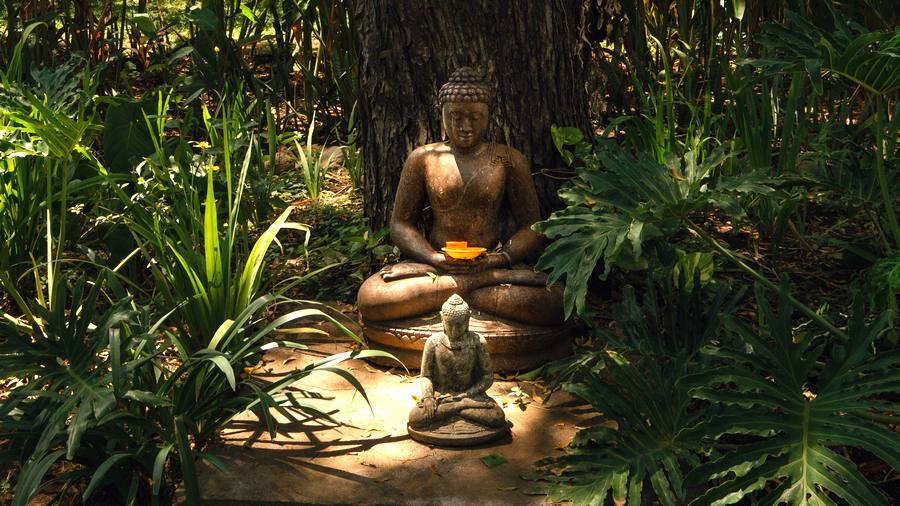
Buddha statues under a tree in a simple shrine.

This was said by the Buddha, the Perfected One: that is what I heard.

“Mendicants, there are these three grounds for making merit. What three? Giving, ethical conduct, and meditation are all grounds for making merit. These are the three grounds for making merit.”

The Buddha spoke this matter. On this it is said:

“One should practice only good deeds,
whose happy outcome stretches ahead.
Giving and moral conduct,
developing a mind of love:

having developed these
three things yielding happiness,
that astute one is reborn
in a happy, pleasing world.”

This too is a matter that was spoken by the Blessed One: that is what I heard.


Read this translation of Itivuttaka 60 Puññakiriyavatthusutta: Grounds for Making Merit by Bhikkhu Sujato on SuttaCentral.net. Or read a different translation on SuttaCentral.net, SuttaFriends.org or DhammaTalks.org. Or listen on SC-Voice.net. Or explore the Pali on DigitalPaliReader.online.

Or read a translation in Deutsch, Català, Čeština, Español, Français, Italiano, မြန်မာဘာသာ, Nederlands, Norsk, Português, ру́сский язы́к, සිංහල, or Srpski. Learn how to find your language.

Iti 61 Cakkhusutta: Eyes

Fantasy photo illustration of eye and stars.

This was said by the Lord, said by the Arahant, so I heard:

“Bhikkhus, there are these three eyes. What three? The fleshly eye, the divine eye, and the wisdom eye. These, bhikkhus, are the three eyes.”

This is the meaning of what the Lord said. So in regard to this it was said:

The fleshly eye, the divine eye,
And the unsurpassed wisdom eye—
These three eyes were described
By the Buddha, supreme among men.

The arising of the fleshly eye
Is the path to the divine eye,
But the unsurpassed wisdom eye
Is that from which knowledge arises.
By obtaining such an eye
One is released from all suffering.


This too is the meaning of what was said by the Lord, so I heard.


Read this translation of Itivuttaka 61 Cakkhusutta: Eyes by John D. Ireland on SuttaCentral.net. Or read a different translation on SuttaCentral.net, SuttaFriends.org or DhammaTalks.org. Or listen on SC-Voice.net. Or explore the Pali on DigitalPaliReader.online.

Or read a translation in Deutsch, Català, Čeština, Español, Français, Italiano, မြန်မာဘာသာ, Nederlands, Norsk, Português, ру́сский язы́к, සිංහල, or Srpski. Learn how to find your language.
Iti 41 Paññāparihīnasutta: Deprived of Wisdom

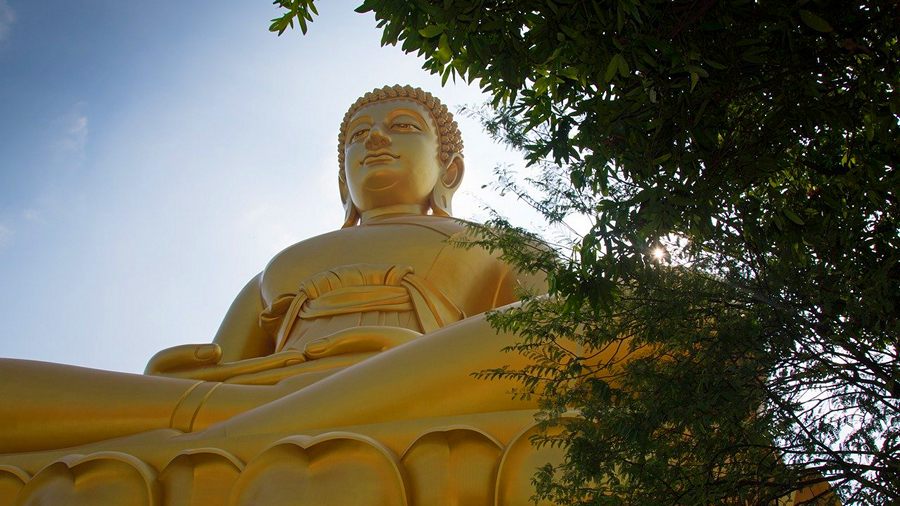
Large gold Buddha statue outside in Sri Lanka.

This was said by the Lord, said by the Arahant, so I heard:

“Bhikkhus, those beings are thoroughly deprived who are deprived of noble wisdom. They live in discomfort even here and now, with vexation, trouble, and distress, and when the body perishes at death a bad bourn is to be expected.

“Those beings are not deprived who are not deprived of noble wisdom. They live in comfort here and now, without vexation, trouble, or distress, and when the body perishes at death a good bourn is to be expected.”

This is the meaning of what the Lord said. So in regard to this it was said:

See the world with its devas,
Destitute of wisdom,
Established in name-and-form,
Conceiving this to be the truth.

Wisdom which leads to penetration
Is the best thing in the world;
By this one completely understands
The ending of both birth and being.

Devas and human beings hold dear
Those awakened ones ever mindful,
Possessing joyous wisdom,
Bearing their final bodies.

This too is the meaning of what was said by the Lord, so I heard.


Read this translation of Itivuttaka 41 Paññāparihīnasutta: Deprived of Wisdom by John D. Ireland on SuttaCentral.net. Or read a different translation on SuttaCentral.net, SuttaFriends.org or DhammaTalks.org. Or listen on SC-Voice.net. Or explore the Pali on DigitalPaliReader.online.

Or read a translation in Deutsch, Català, Čeština, Français, Italiano, မြန်မာဘာသာ, Nederlands, Norsk, Português, ру́сский язы́к, සිංහල, or Srpski. Learn how to find your language.

Iti 20 Paduṭṭhacittasutta: A Corrupt Mind

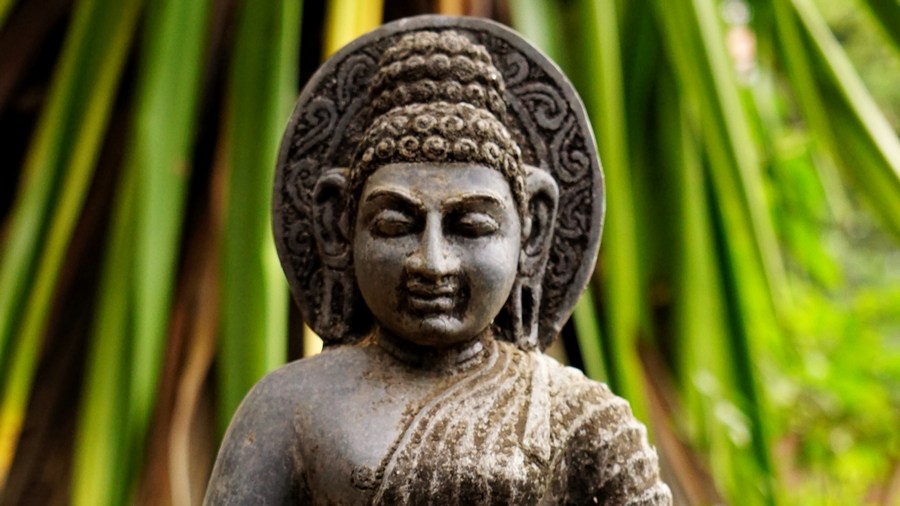
Small Buddha statue with palm leaves in the background.

This was said by the Lord, said by the Arahant, so I heard:

“Here, bhikkhus, some person has a corrupt mind. Having examined his mind with my mind, I know that if this person were to die at this time, as if carried there he would be placed in hell. What is the reason for that? It is because his mind is corrupt. It is because of the mind’s corruption that some beings here, when the body perishes, are reborn after death in a state of misery, a bad bourn, a state of ruin, hell.”

This is the meaning of what the Lord said. So in regard to this it was said:

Understanding the corrupt mind
Of some person dwelling here,
The Buddha explained its meaning
In the presence of the bhikkhus.

If that person were to die
At this very moment now,
He would be reborn in hell
Because of his corrupt mind.

As if they were carried off
And placed there, thus
Beings go to a bad bourn
Because of mind’s corruption.

This too is the meaning of what was said by the Lord, so I heard.


Read this translation of Itivuttaka 20 Paduṭṭhacittasutta: A Corrupt Mind by John D. Ireland on SuttaCentral.net. Or read a different translation on SuttaCentral.net, SuttaFriends.org or DhammaTalks.org. Or listen on SC-Voice.net. Or explore the Pali on DigitalPaliReader.online.

Or read a translation in Deutsch, Lietuvių Kalba, Català, Čeština, Français, Italiano, မြန်မာဘာသာ, Nederlands, Norsk, Português, ру́сский язы́к, සිංහල, or Srpski. Learn how to find your language.
Iti 58 Taṇhāsutta: Craving

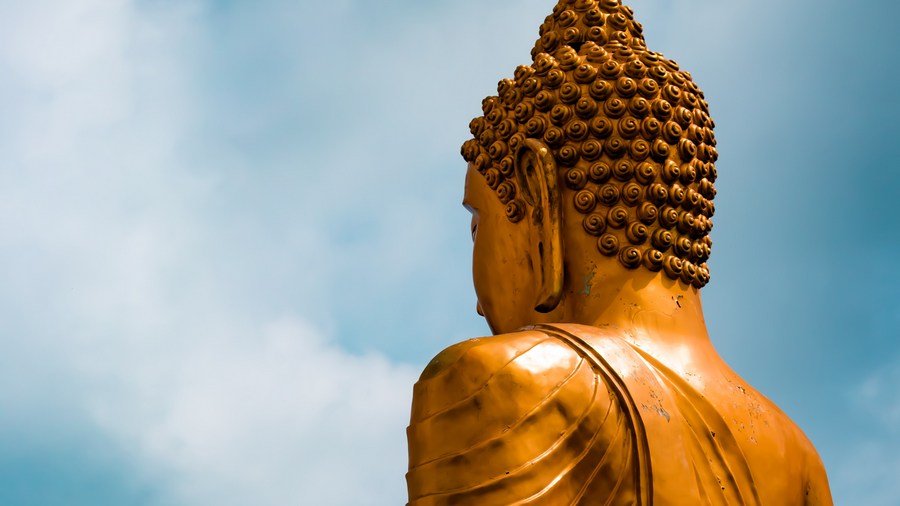
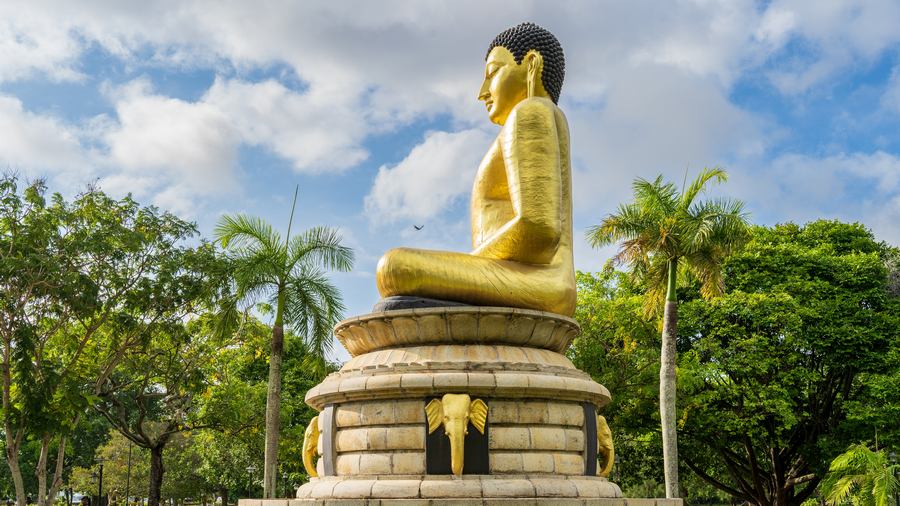
Giant Buddha statue from the back, blue sky behind.

This was said by the Buddha, the Perfected One: that is what I heard.

“Mendicants, there are these three cravings. What three? Craving for sensual pleasures, craving to continue existence, and craving to end existence. These are the three cravings.”

The Buddha spoke this matter. On this it is said:

“Bound by craving, minds full of desire
for rebirth in this or that state,
yoked by Māra’s yoke, these people
find no sanctuary from the yoke.
Sentient beings continue to transmigrate,
with ongoing birth and death.

Those who have given up craving,
rid of craving for rebirth in this or that state,
they in this world have truly crossed over,
having reached the ending of defilements.”

This too is a matter that was spoken by the Blessed One: that is what I heard.


Read this translation of Itivuttaka 58 Taṇhāsutta: Craving Taṇhāsutta by Bhikkhu Sujato on SuttaCentral.net.

Or read a different translation on SuttaCentral.net, SuttaFriends.org or DhammaTalks.org. Or listen on SC-Voice.net. Or explore the Pali on DigitalPaliReader.online.

Or read a translation in Deutsch, Català, Čeština, Español, Français, Italiano, မြန်မာဘာသာ, Nederlands, Norsk, Português, ру́сский язы́к, සිංහල, or Srpski. Learn how to find your language.
Iti 83 Pañcapubbanimittasutta: The Five Prognostic Signs

Illustration of someone floating down tunnel.

This was said by the Lord, said by the Arahant, so I heard:

“Bhikkhus, when a deva is due to pass away from a company of devas, five prognostic signs appear: his flower-garlands wither, his clothes become soiled, sweat is released from his armpits, his bodily radiance fades, and the deva takes no delight in his heavenly throne. The devas, observing the prognostic signs that this deva is due to pass away, encourage him in three things with the words: ‘Go from here, friend, to a good bourn. Having gone to a good bourn, gain that which is good to gain. Having gained that which is good to gain, become firmly established in it.’”

When this was said, a certain bhikkhu asked the Lord: “Venerable sir, what is reckoned by the devas to be a good bourn? What is reckoned by the devas to be a gain that is good to gain? What is reckoned by the devas to be firmly established?”

“It is human existence, bhikkhus, that is reckoned by the devas to be a good bourn. When a human being acquires faith in the Dhamma-and-Discipline taught by the Tathāgata, this is reckoned by the devas to be a gain that is good to gain. When faith is steadfast in him, firmly rooted, established and strong, not to be destroyed by any recluse or brahmin or deva or Māra or Brahmā or by anyone else in the world, this is reckoned by the devas to be firmly established.”

This is the meaning of what the Lord said. So in regard to this it was said:

When a deva whose life is exhausted
Passes away from a deva-company,
The devas encourage him
In three ways with the words:

“Go, friend, to a good bourn,
To the fellowship of humans.
On becoming human acquire faith
Unsurpassed in the true Dhamma.

That faith made steadfast,
Become rooted and standing firm,
Will be unshakeable for life
In the true Dhamma well proclaimed.

Having abandoned misconduct by body,
Misconduct by speech as well,
Misconduct by mind, and whatever else
Is reckoned as a fault,

Having done much that is good
Both by body and by speech,
And done good with a mind
That is boundless and free from clinging,

With that merit as a basis
Made abundant by generosity,
You should establish other people
In the true Dhamma and the holy life.”

When the devas know that a deva
Is about to pass from their midst,
Out of compassion they encourage him:
“Return here, deva, again and again.”

This too is the meaning of what was said by the Lord, so I heard.


Read this translation of Itivuttaka 83 Pañcapubbanimittasutta: The Five Prognostic Signs by John D. Ireland on SuttaCentral.net. Or read a different translation on SuttaCentral.net, SuttaFriends.org or DhammaTalks.org. Or listen on SC-Voice.net. Or explore the Pali on DigitalPaliReader.online.

Iti 71 Sammādiṭṭhikasutta: Having Right View

Large gold Buddha statue.

This was said by the Buddha, the Perfected One: that is what I heard.

“Mendicants, I’ve seen beings who engaged in good conduct of body, speech, and mind, who did not abuse the noble ones, who held right view and acted accordingly. At the breaking up of the body, after death, they were reborn in a good destination, a heaven world.

Now, I don’t say this because I’ve heard it from some other ascetic or brahmin. I only say it because I’ve known, seen, and realized it for myself.”

That is what the Buddha said. On this it is said:

“When the mind has been directed right,
and words rightly spoken,
and right bodily deeds have been done,
a person here

learned, doer of good deeds,
though their life may be short,
when their body breaks up,
that wise person is reborn in heaven.”

This too is a matter that was spoken by the Blessed One: that is what I heard.


Read this translation of Itivuttaka 71 Sammādiṭṭhikasutta: Having Right View by Bhikkhu Sujato on SuttaCentral.net. Or read a different translation on SuttaCentral.net, SuttaFriends.org, or DhammaTalks.org. Or listen on SC-Voice.net.

Iti 29 Sukhavihārasutta: Living in Happiness

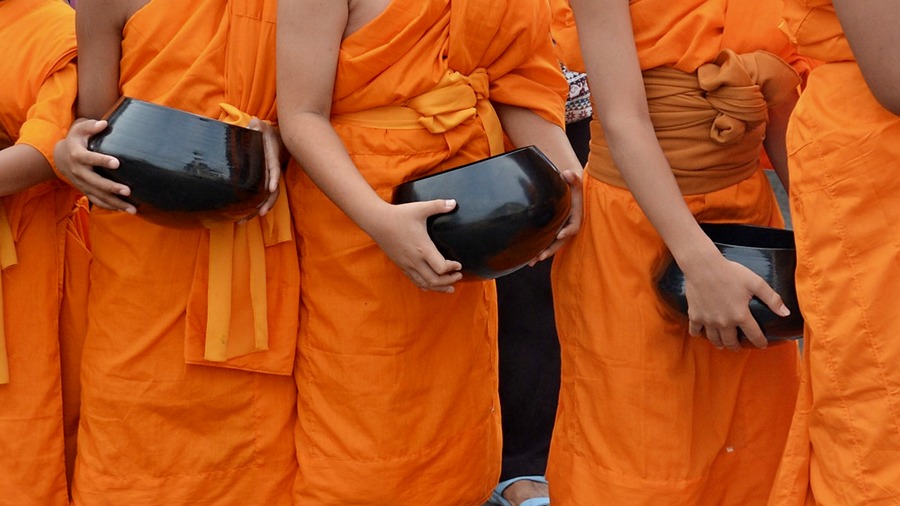
Closeup of monks holding bowls.

This was said by the Buddha, the Perfected One: that is what I heard.

“Mendicants, when a mendicant has two qualities they live happily in the present life—without distress, anguish, and fever—and when the body breaks up, after death, they can expect a good rebirth. What two? Guarding the sense doors and moderation in eating. When a mendicant has these two qualities they live happily in the present life—without distress, anguish, and fever—and when the body breaks up, after death, they can expect a good rebirth.”

That is what the Buddha said. On this it is said:

“Eye, ear, nose, tongue,
body, and likewise mind:
a mendicant who makes these
sense doors well guarded—

eating in moderation,
restrained in the sense faculties—
reaps happiness
both physical and mental.

Not burning in body,
not burning in mind,
by day or by night
such a person lives in happiness.”

This too is a matter that was spoken by the Blessed One: that is what I heard.


Read this translation of Itivuttaka 29 Sukhavihārasutta: Living in Happiness by Bhikkhu Sujato on SuttaCentral.net. Or read a different translation on SuttaCentral.net, SuttaFriends.org, or DhammaTalks.org.