ReadingFaithfully.org icon Facebook icon Bluesky icon Reddit icon Tumblr icon Mastodon icon RSS icon

AN 5.250 Puggalappasādasutta: Faith in Individuals

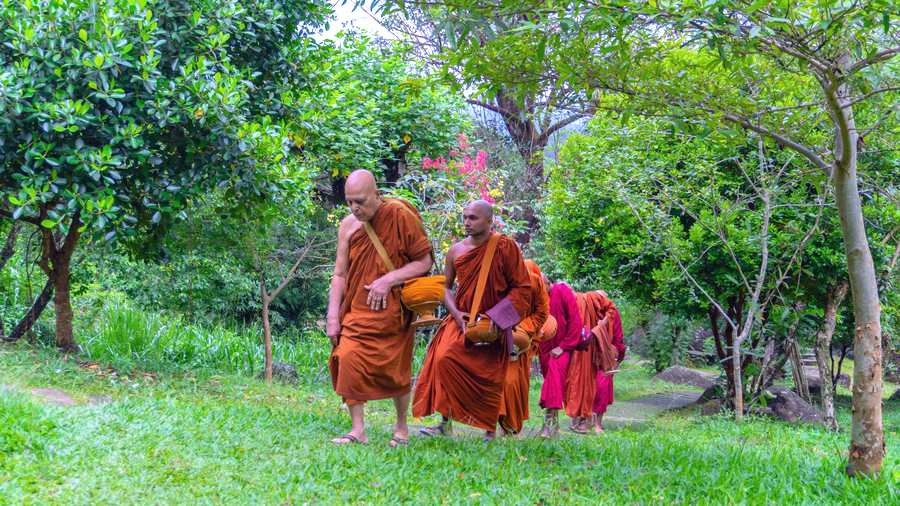
Three monastics walking away.

“Mendicants, there are these five drawbacks of placing faith in an individual. What five?

The individual to whom a person is devoted falls into an offense such that the Saṅgha suspends them. It occurs to them: ‘This person dear and beloved to me has been suspended by the Saṅgha.’ They lose much of their faith in mendicants. So they don’t frequent other mendicants, they don’t hear the true teaching, and they fall away from the true teaching. This is the first drawback in placing faith in an individual.

Furthermore, the individual to whom a person is devoted falls into an offense such that the Saṅgha makes them sit at the end of the line. … This is the second drawback in placing faith in an individual.

Furthermore, the individual to whom a person is devoted departs for another region … disrobes … passes away. It occurs to them: ‘This person dear and beloved to me has passed away.’ So they don’t frequent other mendicants, they don’t hear the true teaching, and they fall away from the true teaching. This is the fifth drawback in placing faith in an individual.

These are the five drawbacks of placing faith in an individual.”


Read this translation of Aṅguttara Nikāya 5.250 Puggalappasādasutta: Faith in Individuals by Bhikkhu Sujato on SuttaCentral.net. Or listen on SC-Voice.net. Or explore the Pali on DigitalPaliReader.online.

Or read a translation in Deutsch, বাংলা, Español, Français, Bahasa Indonesia, 日本語, မြန်မာဘာသာ, Русский, සිංහල, ไทย, Tiếng Việt, or 汉语. Learn how to find your language.

MN 11 Cūḷasīhanādasutta: The Shorter Discourse on the Lion’s Roar

Lion roaring.

[Note: This selection is longer than usual. It explains why it’s proper to have confidence in the Buddha’s teaching.]

So I have heard. At one time the Buddha was staying near Sāvatthī in Jeta’s Grove, Anāthapiṇḍika’s monastery. There the Buddha addressed the mendicants, “Mendicants!”

“Venerable sir,” they replied. The Buddha said this:

“‘Only here is there a true ascetic, here a second ascetic, here a third ascetic, and here a fourth ascetic. Other sects are empty of ascetics.’ This, mendicants, is how you should rightly roar your lion’s roar.

It’s possible that wanderers of other religions might say: ‘But what is the source of the venerables’ certainty and forcefulness that they say this?’ You should say to them: ‘There are four things explained by the Blessed One, who knows and sees, the perfected one, the fully awakened Buddha. Seeing these things in ourselves we say that:

“Only here is there a true ascetic, here a second ascetic, here a third ascetic, and here a fourth ascetic. Other sects are empty of ascetics.” What four? We have confidence in the Teacher, we have confidence in the teaching, and we have fulfilled the precepts. And we have love and affection for those who share our path, both laypeople and renunciates. These are the four things.’

It’s possible that wanderers of other religions might say: ‘We too have confidence in the Teacher—our Teacher; we have confidence in the teaching—our teaching; and we have fulfilled the precepts—our precepts. And we have love and affection for those who share our path, both laypeople and renunciates. What, then, is the difference between you and us?’

You should say to them: ‘Well, reverends, is the goal one or many?’ Answering rightly, the wanderers would say: ‘The goal is one, reverends, not many.’

‘But is that goal for the greedy or for those free of greed?’ Answering rightly, the wanderers would say: ‘That goal is for those free of greed, not for the greedy.’

‘Is it for the hateful or those free of hate?’ ‘It’s for those free of hate.’

‘Is it for the delusional or those free of delusion?’ ‘It’s for those free of delusion.’

‘Is it for those who crave or those rid of craving?’ ‘It’s for those rid of craving.’

‘Is it for those who have fuel for grasping or those who do not?’ ‘It’s for those who do not have fuel for grasping.’

‘Is it for the knowledgeable or the ignorant?’ ‘It’s for the knowledgeable.’

‘Is it for those who favor and oppose or for those who don’t favor and oppose?’ ‘It’s for those who don’t favor and oppose.’

‘But is that goal for those who enjoy proliferation or for those who enjoy non-proliferation?’ Answering rightly, the wanderers would say: ‘It’s for those who enjoy non-proliferation, not for those who enjoy proliferation.’

Mendicants, there are these two views: views favoring continued existence and views favoring ending existence. Any ascetics or brahmins who resort to, draw near to, and cling to a view favoring continued existence will oppose a view favoring ending existence. Any ascetics or brahmins who resort to, draw near to, and cling to a view favoring ending existence will oppose a view favoring continued existence.

There are some ascetics and brahmins who don’t truly understand these two views’ origin, ending, gratification, drawback, and escape. They’re greedy, hateful, delusional, craving, grasping, and ignorant. They favor and oppose, and they enjoy proliferation. They’re not freed from rebirth, old age, and death, from sorrow, lamentation, pain, sadness, and distress. They’re not freed from suffering, I say.

There are some ascetics and brahmins who do truly understand these two views’ origin, ending, gratification, drawback, and escape. They’re rid of greed, hate, delusion, craving, grasping, and ignorance. They don’t favor and oppose, and they enjoy non-proliferation. They’re freed from rebirth, old age, and death, from sorrow, lamentation, pain, sadness, and distress. They’re freed from suffering, I say.

There are these four kinds of grasping. What four? Grasping at sensual pleasures, views, precepts and observances, and theories of a self.

There are some ascetics and brahmins who claim to propound the complete understanding of all kinds of grasping. But they don’t correctly describe the complete understanding of all kinds of grasping. They describe the complete understanding of grasping at sensual pleasures, but not views, precepts and observances, and theories of a self. Why is that? Because those gentlemen don’t truly understand these three things. That’s why they claim to propound the complete understanding of all kinds of grasping, but they don’t really.

There are some other ascetics and brahmins who claim to propound the complete understanding of all kinds of grasping, but they don’t really. They describe the complete understanding of grasping at sensual pleasures and views, but not precepts and observances, and theories of a self. Why is that? Because those gentlemen don’t truly understand these two things. That’s why they claim to propound the complete understanding of all kinds of grasping, but they don’t really.

There are some other ascetics and brahmins who claim to propound the complete understanding of all kinds of grasping, but they don’t really. They describe the complete understanding of grasping at sensual pleasures, views, and precepts and observances, but not theories of a self. Why is that? Because those gentlemen don’t truly understand this one thing. That’s why they claim to propound the complete understanding of all kinds of grasping, but they don’t really.

In such a teaching and training, confidence in the Teacher is said to be not rightly placed. Likewise, confidence in the teaching, fulfillment of the precepts, and love and affection for those sharing the same path are said to be not rightly placed. Why is that? It’s because that teaching and training is poorly explained and poorly propounded, not emancipating, not leading to peace, proclaimed by someone who is not a fully awakened Buddha.

The Realized One, the perfected one, the fully awakened Buddha claims to propound the complete understanding of all kinds of grasping. He describes the complete understanding of grasping at sensual pleasures, views, precepts and observances, and theories of a self.

In such a teaching and training, confidence in the Teacher is said to be rightly placed. Likewise, confidence in the teaching, fulfillment of the precepts, and love and affection for those sharing the same path are said to be rightly placed. Why is that? It’s because that teaching and training is well explained and well propounded, emancipating, leading to peace, proclaimed by a fully awakened Buddha.

What is the source, origin, birthplace, and inception of these four kinds of grasping? Craving. And what is the source, origin, birthplace, and inception of craving? Feeling. And what is the source of feeling? Contact. And what is the source of contact? The six sense fields. And what is the source of the six sense fields? Name and form. And what is the source of name and form? Consciousness. And what is the source of consciousness? Choices. And what is the source of choices? Ignorance.

When that mendicant has given up ignorance and given rise to knowledge, they don’t grasp at sensual pleasures, views, precepts and observances, or theories of a self. Not grasping, they’re not anxious. Not being anxious, they personally become extinguished.

They understand: ‘Rebirth is ended, the spiritual journey has been completed, what had to be done has been done, there is nothing further for this place.’”

That is what the Buddha said. Satisfied, the mendicants approved what the Buddha said.


Read this translation of Majjhima Nikāya 11 Cūḷasīhanādasutta: The Shorter Discourse on the Lion’s Roar by Bhikkhu Sujato on SuttaCentral.net. Or read a different translation on SuttaCentral.net or DhammaTalks.org. Or listen on PaliAudio.com or SC-Voice.net. Or explore the Pali on DigitalPaliReader.online.

Or read a translation in Deutsch, Русский, Srpski, বাংলা, Català, Čeština, Español, Français, עִבְֿרִיתּ, हिन्दी, Magyar, Bahasa Indonesia, Italiano, 日本語, မြန်မာဘာသာ, Nederlands, Norsk, Português, සිංහල, Slovenščina, ไทย, Tiếng Việt, or 汉语. Learn how to find your language.

SN 55.24 Paṭhamasaraṇānisakkasutta: About Sarakāni (1st)

People toasting with glasses of beer.

At Kapilavatthu.

Now at that time Sarakāni the Sakyan had passed away. The Buddha declared that he was a stream-enterer, not liable to be reborn in the underworld, bound for awakening.

At that, several Sakyans came together complaining, grumbling, and objecting, “Oh, how incredible, how amazing! Who can’t become a stream-enterer these days? For the Buddha even declared Sarakāni to be a stream-enterer after he passed away. Sarakāni was too weak for the training; he used to drink alcohol.”

Then Mahānāma the Sakyan went up to the Buddha, bowed, sat down to one side, and told him what had happened. The Buddha said:

“Mahānāma, when a lay follower has for a long time gone for refuge to the Buddha, the teaching, and the Saṅgha, how could they go to the underworld? And if anyone should rightly be said to have for a long time gone for refuge to the Buddha, the teaching, and the Saṅgha, it’s Sarakāni the Sakyan. Sarakāni the Sakyan has for a long time gone for refuge to the Buddha, the teaching, and the Saṅgha. How could he go to the underworld?

Take a certain person who has experiential confidence in the Buddha … the teaching … the Saṅgha … They have laughing wisdom and swift wisdom, and are endowed with freedom. They’ve realized the undefiled freedom of heart and freedom by wisdom in this very life. And they live having realized it with their own insight due to the ending of defilements. This person is exempt from hell, the animal realm, and the ghost realm. They’re exempt from places of loss, bad places, the underworld.

Take another person who has experiential confidence in the Buddha … the teaching … the Saṅgha … They have laughing wisdom and swift wisdom, but are not endowed with freedom. With the ending of the five lower fetters they’re reborn spontaneously. They are extinguished there, and are not liable to return from that world. This person, too, is exempt from hell, the animal realm, and the ghost realm. They’re exempt from places of loss, bad places, the underworld.

Take another person who has experiential confidence in the Buddha … the teaching … the Saṅgha … But they don’t have laughing wisdom or swift wisdom, nor are they endowed with freedom. With the ending of three fetters, and the weakening of greed, hate, and delusion, they’re a once-returner. They come back to this world once only, then make an end of suffering. This person, too, is exempt from hell, the animal realm, and the ghost realm. They’re exempt from places of loss, bad places, the underworld.

Take another person who has experiential confidence in the Buddha … the teaching … the Saṅgha … But they don’t have laughing wisdom or swift wisdom, nor are they endowed with freedom. With the ending of three fetters they’re a stream-enterer, not liable to be reborn in the underworld, bound for awakening. This person, too, is exempt from hell, the animal realm, and the ghost realm. They’re exempt from places of loss, bad places, the underworld.

Take another person who doesn’t have experiential confidence in the Buddha … the teaching … the Saṅgha … They don’t have laughing wisdom or swift wisdom, nor are they endowed with freedom. Still, they have these qualities: the faculties of faith, energy, mindfulness, immersion, and wisdom. And they accept the teachings proclaimed by the Realized One after deliberating them with a degree of wisdom. This person, too, doesn’t go to hell, the animal realm, and the ghost realm. They don’t go to places of loss, bad places, the underworld.

Take another person who doesn’t have experiential confidence in the Buddha … the teaching … the Saṅgha … They don’t have laughing wisdom or swift wisdom, nor are they endowed with freedom. Still, they have these qualities: the faculties of faith, energy, mindfulness, immersion, and wisdom. And they have a degree of faith and love for the Buddha. This person, too, doesn’t go to hell, the animal realm, and the ghost realm. They don’t go to places of loss, bad places, the underworld.

If these great sal trees could understand what was well said and poorly said, I’d declare them to be stream-enterers. Why can’t this apply to Sarakāni? Mahānāma, Sarakāni the Sakyan undertook the training at the time of his death.”


Read this translation of Saṁyutta Nikāya 55.24 Paṭhamasaraṇānisakkasutta: About Sarakāni (1st) by Bhikkhu Sujato on SuttaCentral.net. Or read a different translation on SuttaFriends.org. Or listen on SC-Voice.net. Or explore the Pali on DigitalPaliReader.online.

Or read a translation in Deutsch, Français, বাংলা, Español, Bahasa Indonesia, 日本語, မြန်မာဘာသာ, Norsk, Português, Русский, සිංහල, ไทย, Tiếng Việt, or 汉语. Learn how to find your language.

MN 7 From… Vatthasutta: The Simile of the Cloth

Dyed cloth.

…“Suppose, mendicants, there was a cloth that was dirty and soiled. No matter what dye the dyer applied—whether blue or yellow or red or magenta—it would look poorly dyed and impure in color. Why is that? Because of the impurity of the cloth.

In the same way, when the mind is corrupt, a bad destiny is to be expected. Suppose there was a cloth that was pure and clean. No matter what dye the dyer applied—whether blue or yellow or red or magenta—it would look well dyed and pure in color. Why is that? Because of the purity of the cloth.

In the same way, when the mind isn’t corrupt, a good destiny is to be expected.

And what are the corruptions of the mind? Covetousness and immoral greed, ill will, anger, acrimony, disdain, contempt, jealousy, stinginess, deceit, deviousness, obstinacy, aggression, conceit, arrogance, vanity, and negligence are corruptions of the mind.

A mendicant who understands that covetousness and immoral greed are corruptions of the mind gives them up. A mendicant who understands that ill will … negligence is a corruption of the mind gives it up.

When they have understood these corruptions of the mind for what they are, and have given them up, they have experiential confidence in the Buddha: ‘That Blessed One is perfected, a fully awakened Buddha, accomplished in knowledge and conduct, holy, knower of the world, supreme guide for those who wish to train, teacher of gods and humans, awakened, blessed.’

They have experiential confidence in the teaching: ‘The teaching is well explained by the Buddha—apparent in the present life, immediately effective, inviting inspection, relevant, so that sensible people can know it for themselves.’

They have experiential confidence in the Saṅgha: ‘The Saṅgha of the Buddha’s disciples is practicing the way that’s good, direct, systematic, and proper. It consists of the four pairs, the eight individuals. This is the Saṅgha of the Buddha’s disciples that is worthy of offerings dedicated to the gods, worthy of hospitality, worthy of a religious donation, worthy of greeting with joined palms, and is the supreme field of merit for the world.’

When a mendicant has discarded, eliminated, released, given up, and relinquished to this extent, thinking, ‘I have experiential confidence in the Buddha … the teaching … the Saṅgha,’ they find inspiration in the meaning and the teaching, and find joy connected with the teaching. Thinking: ‘I have discarded, eliminated, released, given up, and relinquished to this extent,’ they find inspiration in the meaning and the teaching, and find joy connected with the teaching. When they’re joyful, rapture springs up. When the mind is full of rapture, the body becomes tranquil. When the body is tranquil, they feel bliss. And when they’re blissful, the mind becomes immersed in samādhi.…


Read the entire translation of Majjhima Nikāya 7 Vatthasutta: The Simile of the Cloth by Bhikkhu Sujato on SuttaCentral.net. Or read a different translation on SuttaCentral.net, DhammaTalks.org or AccessToInsight.org. Or listen on PaliAudio.com or SC-Voice.net. Or explore the Pali on DigitalPaliReader.online.

Or read a translation in Deutsch, Lietuvių Kalba, Polski, Русский, Srpski, বাংলা, Čeština, Español, Français, עִבְֿרִיתּ, हिन्दी, Magyar, Bahasa Indonesia, Italiano, 日本語, 한국어/조선말, မြန်မာဘာသာ, Nederlands, Norsk, Português, සිංහල, Slovenščina, தமிழ், ไทย, Tiếng Việt, or 汉语. Learn how to find your language.

MN 22 From… Alagaddūpamasutta: The Simile of the Cobra

Person sawing up logs in forest.

…What do you think, mendicants? Suppose a person was to carry off the grass, sticks, branches, and leaves in this Jeta’s Grove, or burn them, or do what they want with them. Would you think, ‘This person is carrying us off, burning us, or doing what they want with us’?”

“No, sir. Why is that? Because to us that’s neither self nor belonging to self.”

“In the same way, mendicants, give up what isn’t yours. Giving it up will be for your lasting welfare and happiness. And what isn’t yours? Form … feeling … perception … choices … consciousness isn’t yours: give it up. Giving it up will be for your lasting welfare and happiness.

Thus the teaching has been well explained by me, made clear, opened, illuminated, and stripped of patchwork. In this teaching there are mendicants who are perfected, who have ended the defilements, completed the spiritual journey, done what had to be done, laid down the burden, achieved their own goal, utterly ended the fetter of continued existence, and are rightly freed through enlightenment. For them, there is no cycle of rebirths to be found. …

In this teaching there are mendicants who have given up the five lower fetters. All of them are reborn spontaneously. They are extinguished there, and are not liable to return from that world. …

In this teaching there are mendicants who, having given up three fetters, and weakened greed, hate, and delusion, are once-returners. All of them come back to this world once only, then make an end of suffering. …

In this teaching there are mendicants who have ended three fetters. All of them are stream-enterers, not liable to be reborn in the underworld, bound for awakening. …

In this teaching there are mendicants who are followers of teachings, or followers by faith. All of them are bound for awakening.

Thus the teaching has been well explained by me, made clear, opened, illuminated, and stripped of patchwork. In this teaching there are those who have a degree of faith and love for me. All of them are bound for heaven.”

That is what the Buddha said. Satisfied, the mendicants approved what the Buddha said.


Read the entire translation of Majjhima Nikāya 22 Alagaddūpamasutta: The Simile of the Cobra by Bhikkhu Sujato on SuttaCentral.net. Or read a different translation on SuttaCentral.net, DhammaTalks.org or AccessToInsight.org. Or listen on PaliAudio.com or SC-Voice.net. Or explore the Pali on DigitalPaliReader.online.

Or read a translation in Deutsch, Русский, বাংলা, Català, Čeština, Español, Français, हिन्दी, Magyar, Bahasa Indonesia, Italiano, 日本語, မြန်မာဘာသာ, Norsk, Polski, Português, සිංහල, Slovenščina, Srpski, ไทย, Tiếng Việt, or 汉语. Learn how to find your language.

AN 3.75 Nivesakasutta: Support

Molten lava hitting water.

Then Venerable Ānanda went up to the Buddha, bowed, and sat down to one side. The Buddha said to him:

“Ānanda, those who you have sympathy for, and those worth listening to—friends and colleagues, relatives and family—should be encouraged, supported, and established in three things. What three?

Experiential confidence in the Buddha: ‘That Blessed One is perfected, a fully awakened Buddha, accomplished in knowledge and conduct, holy, knower of the world, supreme guide for those who wish to train, teacher of gods and humans, awakened, blessed.’

Experiential confidence in the teaching: ‘The teaching is well explained by the Buddha—apparent in the present life, immediately effective, inviting inspection, relevant, so that sensible people can know it for themselves.’

Experiential confidence in the Saṅgha: ‘The Saṅgha of the Buddha’s disciples is practicing the way that’s good, direct, systematic, and proper. It consists of the four pairs, the eight individuals. This is the Saṅgha of the Buddha’s disciples that is worthy of offerings dedicated to the gods, worthy of hospitality, worthy of a religious donation, worthy of greeting with joined palms, and is the supreme field of merit for the world.’

There might be change in the four principal states—earth, water, air, and fire—but a noble disciple with experiential confidence in the Buddha would never change. In this context, ‘change’ means that such a noble disciple will be reborn in hell, the animal realm, or the ghost realm: this is quite impossible.

There might be change in the four principal states—earth, water, air, and fire—but a noble disciple with experiential confidence in the teaching … or the Saṅgha would never change. In this context, ‘change’ means that such a noble disciple will be reborn in hell, the animal realm, or the ghost realm: this is quite impossible.

Those who you have sympathy for, and those worth listening to—friends and colleagues, relatives and family—should be encouraged, supported, and established in these three things.”


Read this translation of Aṅguttara Nikāya 3.75 Nivesakasutta: Support by Bhikkhu Sujato on SuttaCentral.net. Or listen on PaliAudio.com or SC-Voice.net. Or explore the Pali on DigitalPaliReader.online.

Or read a translation in Deutsch, Português, বাংলা, Español, Français, Bahasa Indonesia, 日本語, မြန်မာဘာသာ, Русский, සිංහල, ไทย, Tiếng Việt, or 汉语. Learn how to find your language.

AN 7.57 Sīhasenāpatisutta: General Sīha

Buddhist monastics lined up for alms round.

[Note: “Perfected ones” is the translation of arahants.]

So I have heard. At one time the Buddha was staying near Vesālī, at the Great Wood, in the hall with the peaked roof. Then General Sīha went up to the Buddha, bowed, sat down to one side, and said to him:

“Sir, can you point out a fruit of giving that’s apparent in the present life?”

“Well then, Sīha, I’ll ask you about this in return, and you can answer as you like. What do you think, Sīha? Consider two people. One is faithless, stingy, miserly, and abusive. One is a faithful donor who loves charity. Which do you think the perfected ones will show sympathy for first?”

“Why would the perfected ones first show sympathy for the person who is faithless, stingy, miserly, and abusive? They’d show sympathy first for the faithful donor who loves charity.”

“Which do you think the perfected ones will first approach?” “They’d first approach the faithful donor who loves charity.”

“Which do you think the perfected ones will receive alms from first?” “They’d receive alms first from the faithful donor who loves charity.”

“Which do you think the perfected ones will teach the Dhamma to first?” “They’d first teach the Dhamma to the faithful donor who loves charity.”

“Which do you think would get a good reputation?” “The faithful donor who loves charity would get a good reputation.”

“Which do you think would enter any kind of assembly bold and assured, whether it’s an assembly of aristocrats, brahmins, householders, or ascetics?”

“How could the person who is faithless, stingy, miserly, and abusive enter any kind of assembly bold and assured, whether it’s an assembly of aristocrats, brahmins, householders, or ascetics? The faithful donor who loves charity would enter any kind of assembly bold and assured, whether it’s an assembly of aristocrats, brahmins, householders, or ascetics.”

“When their body breaks up, after death, which do you think would be reborn in a good place, a heavenly realm?”

“Why would the person who is faithless, stingy, miserly, and abusive be reborn in a good place, a heavenly realm? The faithful donor who loves charity would, when their body breaks up, after death, be reborn in a good place, a heavenly realm.

When it comes to these fruits of giving that are apparent in the present life, I don’t have to rely on faith in the Buddha, for I know them too. I’m a giver, a donor, and the perfected ones show sympathy for me first. I’m a giver, and the perfected ones approach me first. I’m a giver, and the perfected ones receive alms from me first. I’m a giver, and the perfected ones teach me Dhamma first. I’m a giver, and I have this good reputation: ‘General Sīha gives, serves, and attends on the Saṅgha.’ I’m a giver, I enter any kind of assembly bold and assured, whether it’s an assembly of aristocrats, brahmins, householders, or ascetics. When it comes to these fruits of giving that are apparent in the present life, I don’t have to rely on faith in the Buddha, for I know them too. But when the Buddha says: ‘When a giver’s body breaks up, after death, they’re reborn in a good place, a heavenly realm.’ I don’t know this, so I have to rely on faith in the Buddha.”

“That’s so true, Sīha! That’s so true! When a giver’s body breaks up, after death, they’re reborn in a good place, a heavenly realm.”


Read this translation of Aṅguttara Nikāya 7.57 Sīhasenāpatisutta: General Sīha by Bhikkhu Sujato on SuttaCentral.net. Or listen on SC-Voice.net. Or explore the Pali on DigitalPaliReader.online.

Or read a translation in Deutsch, বাংলা, Español, Bahasa Indonesia, 日本語, မြန်မာဘာသာ, Русский, සිංහල, ไทย, Tiếng Việt, or 汉语. Learn how to find your language.

AN 7.4 Vitthatabalasutta: Powers in Detail

Freshly extinguished candle.

“Mendicants, there are these seven powers. What seven? The powers of faith, energy, conscience, prudence, mindfulness, immersion, and wisdom.

And what is the power of faith? It’s when a noble disciple has faith in the Realized One’s awakening: ‘That Blessed One is perfected, a fully awakened Buddha, accomplished in knowledge and conduct, holy, knower of the world, supreme guide for those who wish to train, teacher of gods and humans, awakened, blessed.’ This is called the power of faith.

And what is the power of energy? It’s when a noble disciple lives with energy roused up for giving up unskillful qualities and embracing skillful qualities. They’re strong, staunchly vigorous, not slacking off when it comes to developing skillful qualities. This is called the power of energy.

And what is the power of conscience? It’s when a noble disciple has a conscience. They’re conscientious about bad conduct by way of body, speech, and mind, and conscientious about acquiring any bad, unskillful qualities. This is called the power of conscience.

And what is the power of prudence? It’s when a noble disciple is prudent. They’re prudent when it comes to bad conduct by way of body, speech, and mind, and prudent when it comes to the acquiring of any bad, unskillful qualities. This is called the power of prudence.

And what is the power of mindfulness? It’s when a noble disciple is mindful. They have utmost mindfulness and alertness, and can remember and recall what was said and done long ago. This is called the power of mindfulness.

And what is the power of immersion? It’s when a noble disciple, quite secluded from sensual pleasures, secluded from unskillful qualities, enters and remains in the first absorption, which has the rapture and bliss born of seclusion, while placing the mind and keeping it connected. … Giving up pleasure and pain, and ending former happiness and sadness, they enter and remain in the fourth absorption, without pleasure or pain, with pure equanimity and mindfulness. This is called the power of immersion.

And what is the power of wisdom? It’s when a noble disciple is wise. They have the wisdom of arising and passing away which is noble, penetrative, and leads to the complete ending of suffering. This is called the power of wisdom.

These are the seven powers.

The powers are faith and energy,
conscience and prudence,
mindfulness and immersion,
and wisdom as the seventh power.
Empowered by these,
an astute mendicant lives happily.

They should examine the teaching rationally,
discerning the meaning with wisdom.
The liberation of their heart
is like a lamp going out.”


Read this translation of Aṅguttara Nikāya 7.4 Vitthatabalasutta: Powers in Detail by Bhikkhu Sujato on SuttaCentral.net. Or listen on SC-Voice.net. Or explore the Pali on DigitalPaliReader.online.

Or read a translation in Deutsch, বাংলা, Español, Bahasa Indonesia, 日本語, မြန်မာဘာသာ, Português, Русский, සිංහල, ไทย, Tiếng Việt, or 汉语. Learn how to find your language.

AN 6.86 Āvaraṇasutta: Obstacles

Person sitting on bench listening on headphones.

“Mendicants, someone with six qualities is unable to enter the sure path with regards to skillful qualities even when listening to the true teaching. What six? They’re obstructed by deeds, defilements, or results. And they’re faithless, unenthusiastic, and witless. Someone with these six qualities is unable to enter the sure path with regards to skillful qualities, even when listening to the true teaching.

Someone with six qualities is able to enter the sure path with regards to skillful qualities when listening to the true teaching. What six? They’re not obstructed by deeds, defilements, or results. And they’re faithful, enthusiastic, and wise. Someone with these six qualities is able to enter the sure path with regards to skillful qualities when listening to the true teaching.”


Read this translation of Aṅguttara Nikāya 6.86 Āvaraṇasutta: Obstacles by Bhikkhu Sujato on SuttaCentral.net. Or listen on SC-Voice.net. Or explore the Pali on DigitalPaliReader.online.

Or read a translation in Deutsch, বাংলা, Bahasa Indonesia, 日本語, မြန်မာဘာသာ, Português, Русский, සිංහල, ไทย, Tiếng Việt, or 汉语. Learn how to find your language.

Thag 3.10 Sāṭimattiyattheragāthā: Sāṭimattiya

Buddhist monastic on a snowy hilltop.

In the past you had faith,
today you have none.
What’s yours is yours alone—
I’ve done nothing wrong.In the past you had faith,
today you have none.
What’s yours is yours alone—
I’ve done nothing wrong.

Faith is impermanent, fickle:
or so I have seen.
Passions wax and wane:
why would a sage waste away on that account?

The meal of a sage is cooked
bit by bit in this family or that.
I’ll walk for alms,
for my legs are strong.


Note: To better understand the context for these verses, you might like to read the commentary’s background story:

Reborn in this Buddha-age in the kingdom of Magadha as a brahmin’s son, he having the essential conditions entered the Order among the forest bhikkhus, and through study and practice acquired sixfold abhiññā. Thereupon he instructed bhikkhus, and preached to many folk on the Refuges and the Precepts. One family in particular he converted to faith and trust; and in that house he was greatly welcomed, the only daughter, a pretty, lovely girl, respectfully providing him with food.

One day Māra, plotting to disturb and disgrace him, took his shape, and going to the maiden, grasped her hand. But she, feeling that this was no human touch, loosed her hand. But the others in the house saw it and lost faith in the Thera. He, knowing nothing, perceived next day their changed manner. And discerning that Māra had been at work, he vowed to loose the dead dog from their neck, and made them tell him what had happened. And the housemaster, hearing his explanation, begged his forgiveness, and declared he himself would wait upon him. The Thera told the matter in these verses.

Translated by Mrs. Rhys Davids, M.A. Read the whole translation here: Theragāthā: Psalms of the Brethren.


Read this translation of Theragāthā 3.10 Sāṭimattiyattheragāthā: Sāṭimattiya by Bhikkhu Sujato on SuttaCentral.net. Or read a different translation onSuttaFriends.org. Or listen on SC-Voice.net. Or explore the Pali on DigitalPaliReader.online.

Or read a translation in Deutsch, Bahasa Indonesia, 日本語, Norsk, සිංහල, or Tiếng Việt. Learn how to find your language.

SN 14.17 Assaddhasaṁsandanasutta: Faithless

Group of hands on tree.

At Sāvatthī.

“Mendicants, sentient beings come together and converge because of an element: the faithless with the faithless, the unconscientious with the unconscientious, the imprudent with the imprudent, the unlearned with the unlearned, the lazy with the lazy, the unmindful with the unmindful, and the witless with the witless.

In the past, too, sentient beings came together and converged because of an element. …

In the future, too, sentient beings will come together and converge because of an element. …

At present, too, sentient beings come together and converge because of an element. …

Sentient beings come together and converge because of an element: the faithful with the faithful, the conscientious with the conscientious, the prudent with the prudent, the learned with the learned, the energetic with the energetic, the mindful with the mindful, and the wise with the wise. In the past … In the future … At present, too, sentient beings come together and converge because of an element. …”


Read this translation of Saṁyutta Nikāya 14.17 Assaddhasaṁsandanasutta: Faithless by Bhikkhu Sujato on SuttaCentral.net. Or listen on PaliAudio.com or SC-Voice.net. Or explore the Pali on DigitalPaliReader.online.

Or read a translation in Deutsch, বাংলা, Bahasa Indonesia, 日本語, မြန်မာဘာသာ, Norsk, Русский, සිංහල, ไทย, Tiếng Việt, or 汉语. Learn how to find your language.

AN 3.125 Gotamakacetiyasutta: The Gotamaka Shrine

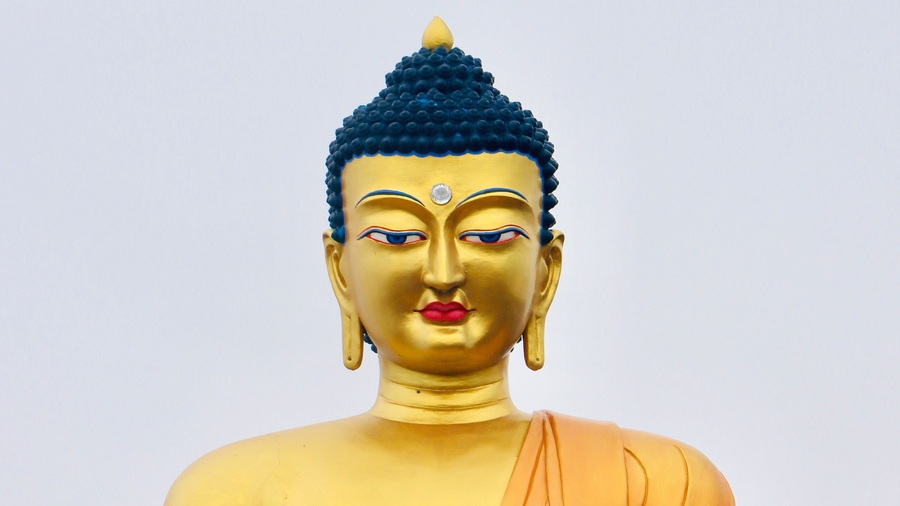
Stone Buddha head.

At one time the Buddha was staying near Vesālī, at the Gotamaka Tree-shrine. There the Buddha addressed the mendicants, “Mendicants!”

“Venerable sir,” they replied. The Buddha said this:

“Mendicants, I teach based on direct knowledge, not without direct knowledge. I teach with reasons, not without them. I teach with a demonstrable basis, not without it. Since this is so, you should follow my advice and instruction. This is enough for you to feel joyful, delighted, and happy: ‘The Blessed One is a fully awakened Buddha! The teaching is well explained! The Saṅgha is practicing well!’”

That is what the Buddha said. Satisfied, the mendicants approved what the Buddha said. And while this discourse was being spoken, the galaxy shook.


Read this translation of Aṅguttara Nikāya 3.125 Gotamakacetiyasutta: The Gotamaka Shrine by Bhikkhu Sujato on SuttaCentral.net. Or read a different translation on DhammaTalks.org. Or listen on PaliAudio.com or SC-Voice.net. Or explore the Pali on DigitalPaliReader.online.

Or read a translation in Deutsch, বাংলা, Bahasa Indonesia, 日本語, မြန်မာဘာသာ, Русский, සිංහල, ไทย, Tiếng Việt, or 汉语. Learn how to find your language.

MN 95 From… Caṅkīsutta: With Caṅkī

People making a light offering at a stupa.

…Then Kāpaṭika thought, “The ascetic Gotama is engaging with me. Why don’t I ask him a question?” Then he said, “Mister Gotama, regarding that which by the lineage of testament and by canonical authority is the ancient hymnal of the brahmins, the brahmins come to the categorical conclusion: ‘This is the only truth, other ideas are silly.’ What do you say about this?”

“Well, Bhāradvāja, is there even a single one of the brahmins who says this: ‘I know this, I see this: this is the only truth, other ideas are silly’?”

“No, Mister Gotama.”

“Well, is there even a single teacher of the brahmins, or a teacher’s teacher, or anyone back to the seventh generation of teachers, who says this: ‘I know this, I see this: this is the only truth, other ideas are silly’?”

“No, Mister Gotama.”

“Well, what of the ancient seers of the brahmins, namely Aṭṭhaka, Vāmaka, Vāmadeva, Vessāmitta, Yamadaggi, Aṅgīrasa, Bhāradvāja, Vāseṭṭha, Kassapa, and Bhagu? They were the authors and propagators of the hymns. Their hymnal was sung and propagated and compiled in ancient times; and these days, brahmins continue to sing and chant it, chanting what was chanted and teaching what was taught. Did even they say: ‘We know this, we see this: this is the only truth, other ideas are silly’?”

“No, Mister Gotama.”

“So, Bhāradvāja, it seems that there is not a single one of the brahmins, not even anyone back to the seventh generation of teachers, nor even the ancient seers of the brahmins who say: ‘We know this, we see this: this is the only truth, other ideas are silly.’

Suppose there was a queue of blind men, each holding the one in front: the first one does not see, the middle one does not see, and the last one does not see. In the same way, it seems to me that the brahmins’ statement turns out to be like a queue of blind men: the first one does not see, the middle one does not see, and the last one does not see. What do you think, Bhāradvāja? This being so, doesn’t the brahmins’ faith turn out to be baseless?”

“The brahmins don’t just honor this because of faith, but also because of oral transmission.”

“First you relied on faith, now you speak of oral transmission. These five things can be seen to turn out in two different ways. What five?

  1. Faith,
  2. endorsement,
  3. oral transmission,
  4. reasoned train of thought,
  5. and acceptance of a view after deliberation.

Even though you have full faith in something, it may be vacuous, hollow, and false. And even if you don’t have full faith in something, it may be true and real, not otherwise. Even though you fully endorse something … something may be well transmitted … something may be well thought out … something may be well deliberated, it may be vacuous, hollow, and false. And even if something is not well deliberated, it may be true and real, not otherwise. For a sensible person who is preserving truth this is not sufficient to come to the categorical conclusion: ‘This is the only truth, other ideas are silly.’”

“But Mister Gotama, how do you define the preservation of truth?”

“If a person has faith, they preserve truth by saying, ‘Such is my faith.’ But they don’t yet come to the categorical conclusion: ‘This is the only truth, other ideas are silly.’ If a person has a belief … or has received an oral transmission … or has a reasoned reflection about something … or has accepted a view after contemplation, they preserve truth by saying, ‘Such is the view I have accepted after contemplation.’ But they don’t yet come to the categorical conclusion: ‘This is the only truth, other ideas are silly.’ That’s how the preservation of truth is defined, Bhāradvāja. I describe the preservation of truth as defined in this way. But this is not yet the awakening to the truth.”

“That’s how the preservation of truth is defined, Mister Gotama. We regard the preservation of truth as defined in this way. But Mister Gotama, how do you define awakening to the truth?”

“Bhāradvāja, take the case of a mendicant living supported by a town or village. A householder or their child approaches and scrutinizes them for three kinds of things: things that arouse greed, things that provoke hate, and things that promote delusion. ‘Does this venerable have any qualities that arouse greed? Such qualities that, were their mind to be overwhelmed by them, they might say that they know, even though they don’t know, or that they see, even though they don’t see; or that they might encourage others to do what is for their lasting harm and suffering?’ Scrutinizing them they find: ‘This venerable has no such qualities that arouse greed. Rather, that venerable has bodily and verbal behavior like that of someone without greed. And the principle that they teach is deep, hard to see, hard to understand, peaceful, sublime, beyond the scope of logic, subtle, comprehensible to the astute. It’s not easy for someone with greed to teach this.’

Scrutinizing them in this way they see that they are purified of qualities that arouse greed. Next, they search them for qualities that provoke hate. ‘Does this venerable have any qualities that provoke hate? Such qualities that, were their mind to be overwhelmed by them, they might say that they know, even though they don’t know, or that they see, even though they don’t see; or that they might encourage others to do what is for their lasting harm and suffering?’ Scrutinizing them they find: ‘This venerable has no such qualities that provoke hate. Rather, that venerable has bodily and verbal behavior like that of someone without hate. And the principle that they teach is deep, hard to see, hard to understand, peaceful, sublime, beyond the scope of logic, subtle, comprehensible to the astute. It’s not easy for someone with hate to teach this.’

Scrutinizing them in this way they see that they are purified of qualities that provoke hate. Next, they scrutinize them for qualities that promote delusion. ‘Does this venerable have any qualities that promote delusion? Such qualities that, were their mind to be overwhelmed by them, they might say that they know, even though they don’t know, or that they see, even though they don’t see; or that they might encourage others to do what is for their lasting harm and suffering?’ Scrutinizing them they find: ‘This venerable has no such qualities that promote delusion. Rather, that venerable has bodily and verbal behavior like that of someone without delusion. And the principle that they teach is deep, hard to see, hard to understand, peaceful, sublime, beyond the scope of logic, subtle, comprehensible to the astute. It’s not easy for someone with delusion to teach this.’

Scrutinizing them in this way they see that they are purified of qualities that promote delusion.

  • Next, they place faith in them.
  • When faith has arisen they approach the teacher.
  • They pay homage,
  • actively listen,
  • hear the teachings,
  • remember the teachings,
  • reflect on their meaning,
  • and accept them after deliberation.
  • Then enthusiasm springs up;
  • they apply zeal, weigh up, and strive.
  • Striving, they directly realize the ultimate truth, and see it with penetrating wisdom.

That’s how the awakening to truth is defined, Bhāradvāja. I describe the awakening to truth as defined in this way. But this is not yet the attainment of truth.”

“That’s how the awakening to truth is defined, Mister Gotama. I regard the awakening to truth as defined in this way. But Mister Gotama, how do you define the attainment of truth?”

“By the cultivation, development, and making much of these very same things there is the attainment of truth. That’s how the attainment of truth is defined, Bhāradvāja. I describe the attainment of truth as defined in this way.”…


Read the entire translation of Majjhima Nikāya 95 Caṅkīsutta: With Caṅkī by Bhikkhu Sujato on SuttaCentral.net. Or read a different translation on SuttaCentral.net or DhammaTalks.org. Or listen on PaliAudio.com or SC-Voice.net. Or explore the Pali on DigitalPaliReader.online.

Or read a translation in Lietuvių Kalba, Русский, বাংলা, Deutsch, Español, עִבְֿרִיתּ, हिन्दी, Hrvatski, Magyar, Bahasa Indonesia, Italiano, 日本語, 한국어/조선말, မြန်မာဘာသာ, Norsk, Português, සිංහල, Slovenščina, ไทย, Tiếng Việt, or 汉语. Learn how to find your language.

Snp 1.4 Kasibhāradvājasutta: With Bhāradvāja the Farmer

Person plowing field with cows,

So I have heard. At one time the Buddha was staying in the land of the Magadhans in the Southern Hills near the brahmin village of Ekanāḷa. Now at that time the brahmin Bhāradvāja the Farmer had harnessed around five hundred plows, it being the season for sowing. Then the Buddha robed up in the morning and, taking his bowl and robe, went to where Bhāradvāja the Farmer was working. Now at that time Bhāradvāja the Farmer was distributing food. Then the Buddha went to where the distribution was taking place and stood to one side.

Bhāradvāja the Farmer saw him standing for alms and said to him, “I plough and sow, ascetic, and then I eat. You too should plough and sow, then you may eat.”

“I too plough and sow, brahmin, and then I eat.” “I don’t see Mister Gotama with a yoke or plow or plowshare or goad or oxen, yet he says: ‘I too plough and sow, brahmin, and then I eat.’”

Then Bhāradvāja the Farmer addressed the Buddha in verse:

“You claim to be a farmer,
but I don’t see you farming.
Tell me your farming when asked,
so I can recognize your farming.”

“Faith is my seed, fervor my rain,
and wisdom is my yoke and plough.
Conscience is my pole, mind my strap,
mindfulness my plowshare and goad.

Guarded in body and speech,
I restrict my intake of food.
I use truth as my scythe,
and sweetness is my release.

Energy is my beast of burden,
transporting me to sanctuary from the yoke.
It goes without turning back
where there is no sorrow.

That’s how to do the farming
that has freedom from death as its fruit.
When you finish this farming
you’re released from all suffering.”

Then Bhāradvāja the Farmer filled a large bronze dish with milk-rice and presented it to the Buddha: “Eat the milk-rice, Mister Gotama, you are truly a farmer. For Mister Gotama does the farming that has freedom from death as its fruit.”

“Food enchanted by a verse isn’t fit for me to eat.
That’s not the principle of those who see, brahmin.
The Buddhas reject things enchanted with verses.
Since there is such a principle, brahmin,that’s how they live.

Serve with other food and drink
the consummate one, the great seer,
with defilements ended and remorse stilled.
For he is the field for the seeker of merit.”

“Then, Mister Gotama, to whom should I give the milk-rice?” “Brahmin, I don’t see anyone in this world—with its gods, Māras, and Brahmās, this population with its ascetics and brahmins, its gods and humans—who can properly digest this milk-rice, except for the Realized One or one of his disciples. Well then, brahmin, throw out the milk-rice where there is little that grows, or drop it into water that has no living creatures.”

So Bhāradvāja the Farmer dropped the milk-rice in water that had no living creatures. And when the milk-rice was placed in the water, it sizzled and hissed, steaming and fuming. Suppose there was an iron cauldron that had been heated all day. If you placed it in the water, it would sizzle and hiss, steaming and fuming. In the same way, when the milk-rice was placed in the water, it sizzled and hissed, steaming and fuming.

Then Bhāradvāja the Farmer, shocked and awestruck, went up to the Buddha, bowed down with his head at the Buddha’s feet, and said, “Excellent, Mister Gotama! Excellent! As if he were righting the overturned, or revealing the hidden, or pointing out the path to the lost, or lighting a lamp in the dark so people with clear eyes can see what’s there, Mister Gotama has made the teaching clear in many ways. I go for refuge to Mister Gotama, to the teaching, and to the mendicant Saṅgha. May I receive the going forth, the ordination in Mister Gotama’s presence?”

And Bhāradvāja the Farmer received the going forth, the ordination in the Buddha’s presence. Not long after his ordination, Venerable Bhāradvāja, living alone, withdrawn, diligent, keen, and resolute, soon realized the supreme end of the spiritual path in this very life. He lived having achieved with his own insight the goal for which gentlemen rightly go forth from the lay life to homelessness. He understood: “Rebirth is ended; the spiritual journey has been completed; what had to be done has been done; there is no return to any state of existence.” And Venerable Bhāradvāja became one of the perfected.


Read this translation of Snp 1.4 Kasibhāradvājasutta: With Bhāradvāja the Farmer by Bhikkhu Sujato on SuttaCentral.net. Or read a different translation on SuttaFriends.org, DhammaTalks.org or AccessToInsight.org. Or listen on SC-Voice.net. Or explore the Pali on DigitalPaliReader.online.

Or read a translation in Deutsch, Afrikaans, Français, Bahasa Indonesia, Italiano, 日本語, မြန်မာဘာသာ, Nederlands, Norsk, Português, Русский, සිංහල, Slovenščina, or தமிழ். Learn how to find your language.

MN 70 From… Kīṭāgirisutta: At Kīṭāgiri

Buddhist monastic worshiping an ancient Buddha statue in Anuradhapura.

…For a faithful disciple who is practicing to fathom the Teacher’s instructions, this is in line with the teaching: ‘The Buddha is my Teacher, I am his disciple. The Buddha knows, I do not know.’ For a faithful disciple who is practicing to fathom the Teacher’s instructions, the Teacher’s instructions are nourishing and nutritious.…


Read the entire translation of Majjhima Nikāya 70 Kīṭāgirisutta: At Kīṭāgiri Kīṭāgirisutta by Bhikkhu Sujato on SuttaCentral.net. Or read a different translation on SuttaCentral.net or DhammaTalks.org. Or listen on PaliAudio.com or SC-Voice.net. Or explore the Pali on DigitalPaliReader.online.

Or read a translation in Deutsch, Русский, বাংলা, Čeština, Español, עִבְֿרִיתּ, हिन्दी, Magyar, Bahasa Indonesia, Italiano, 日本語, မြန်မာဘာသာ, Norsk, Português, සිංහල, Slovenščina, Srpski, ไทย, Tiếng Việt, or 汉语. Learn how to find your language.

Dhp 333 From… Nāgavagga: Attadantavatthu

Old person offering incense.

It’s a blessing to keep precepts until you grow old;
a blessing to be grounded in faith;
the getting of wisdom’s a blessing;
and it’s a blessing to avoid doing wrong.


Read the entire translation of Dhammapada 320–333 Nāgavagga: Attadantavatthu by Bhikkhu Sujato on SuttaCentral.net. Or read a different translation on SuttaFriends.org, DhammaTalks.org, Ancient-Buddhist-Texts.net or AccessToInsight.org. Or listen on SC-Voice.net. Or explore the Pali on DigitalPaliReader.online.

Or read a translation in Deutsch, Tiếng Việt, Català, Čeština, Español, Français, עִבְֿרִיתּ, Magyar, Italiano, 日本語, Latine, मराठी, မြန်မာဘာသာ, Nederlands, Norsk, Polski, Português, සිංහල, Slovenščina, தமிழ், or 汉语. Learn how to find your language.

SN 35.248 Yavakalāpisutta: The Sheaf of Barley

Sheaves of grain.

“Mendicants, suppose a sheaf of barley was placed at a crossroads. Then six people would come along carrying flails, and started threshing the sheaf of barley. So that sheaf of barley would be thoroughly threshed by those six flails. Then a seventh person would come along carrying a flail, and they’d give the sheaf of barley a seventh threshing. So that sheaf of barley would be even more thoroughly threshed by that seventh flail.

In the same way, an unlearned ordinary person is struck in the eye by both pleasant and unpleasant sights. They’re struck in the ear … nose … tongue … body … mind by both pleasant and unpleasant ideas. And if that unlearned ordinary person has intentions regarding rebirth into a new state of existence in the future, that silly person is even more thoroughly struck, like that sheaf of barley threshed by the seventh person.

Once upon a time, a battle was fought between the gods and the titans. Then Vepacitti, lord of titans, addressed the titans, ‘My good sirs, if the titans defeat the gods in this battle, bind Sakka, the lord of gods, by his limbs and neck and bring him to my presence in the citadel of the titans.’

Meanwhile, Sakka, lord of gods, addressed the gods of the Thirty-Three, ‘My good sirs, if the gods defeat the titans in this battle, bind Vepacitti by his limbs and neck and bring him to my presence in the Hall of Justice of the gods.’

In that battle the gods won and the titans lost. So the gods of the Thirty-Three bound Vepacitti by his limbs and neck and brought him to Sakka’s presence in the Hall of Justice of the gods.

And there Vepacitti remained bound by his limbs and neck. That is, until he thought, ‘It’s the gods who are principled, while the titans are unprincipled. Now I belong right here in the castle of the gods.’ Then he found himself freed from the bonds on his limbs and neck. He entertained himself, supplied and provided with the five kinds of heavenly sensual stimulation.

But when he thought, ‘It’s the titans who are principled, while the gods are unprincipled. Now I will go over there to the citadel of the titans,’ he found himself bound by his limbs and neck, and the five kinds of heavenly sensual stimulation disappeared.

That’s how subtly Vepacitti was bound. But the bonds of Māra are even more subtle than that. When you conceive, you’re bound by Māra. Not conceiving, you’re free from the Wicked One.

These are all forms of conceiving: ‘I am’, ‘I am this’, ‘I will be’, ‘I will not be’, ‘I will have form’, ‘I will be formless’, ‘I will be percipient’, ‘I will be non-percipient’, ‘I will be neither percipient nor non-percipient.’ Conceit is a disease, a boil, a dart. So mendicants, you should train yourselves like this: ‘We will live with a heart that does not conceive.’

These are all disturbances: ‘I am’, ‘I am this’, ‘I will be’, ‘I will not be’, ‘I will have form’, ‘I will be formless’, ‘I will be percipient’, ‘I will be non-percipient’, ‘I will be neither percipient nor non-percipient.’ Disturbances are a disease, a boil, a dart. So mendicants, you should train yourselves like this: ‘We will live with a heart free of disturbances.’

These are all tremblings: ‘I am’, ‘I am this’, ‘I will be’, ‘I will not be’, ‘I will have form’, ‘I will be formless’, ‘I will be percipient’, ‘I will be non-percipient’, ‘I will be neither percipient nor non-percipient.’ Trembling is a disease, a boil, a dart. So mendicants, you should train yourselves like this: ‘We will live with a heart free of tremblings.’

These are all proliferations: ‘I am’, ‘I am this’, ‘I will be’, ‘I will not be’, ‘I will have form’, ‘I will be formless’, ‘I will be percipient’, ‘I will be non-percipient’, ‘I will be neither percipient nor non-percipient.’ Proliferation is a disease, a boil, a dart. So mendicants, you should train yourselves like this: ‘We will live with a heart free of proliferation.’

These are all conceits: ‘I am’, ‘I am this’, ‘I will be’, ‘I will not be’, ‘I will have form’, ‘I will be formless’, ‘I will be percipient’, ‘I will be non-percipient’, ‘I will be neither percipient nor non-percipient.’ Conceit is a disease, a boil, a dart. So mendicants, you should train yourselves like this: ‘We will live with a heart that has struck down conceit.’”


Read this translation of Saṁyutta Nikāya 35.248 Yavakalāpisutta: The Sheaf of Barley by Bhikkhu Sujato on SuttaCentral.net. Or read a different translation on SuttaCentral.net. Or listen on SC-Voice.net. Or explore the Pali on DigitalPaliReader.online.

Or read a translation in Deutsch, বাংলা, Español, Bahasa Indonesia, 日本語, မြန်မာဘာသာ, Norsk, Português, Русский, සිංහල, ไทย, Tiếng Việt, or 汉语. Learn how to find your language.

Snp 3.2 Padhānasutta: Striving

Crow in flight.

[Note: Namucī is another name for Māra.]

“During my time of resolute striving
back on the bank of the Nerañjara River,
I was meditating very hard
for the sake of finding sanctuary from the yoke.

Namucī approached,
speaking words of kindness:
‘You’re thin, discolored,
on the verge of death.

Death has a thousand parts of you,
one fraction is left to life.
Live sir! Life is better!
Living, you can make merits.

While leading the spiritual life
and serving the sacred flame,
you can pile up abundant merit—
so what will striving do for you?

Hard to walk is the path of striving,
hard to do, a hard challenge to win.’”
These are the verses Māra spoke
as he stood beside the Buddha.

When Māra had spoken in this way,
the Buddha said this:
“O Wicked One, kinsman of the negligent,
you’re here for your own purpose.

I have no need for
the slightest bit of merit.
Those with need for merit
are fit for Māra to address.

I have faith and energy too,
and wisdom is found in me.
When I am so resolute,
why do you beg me to live?

The rivers and streams
might be dried by the wind,
so why, when I am resolute,
should it not dry up my blood?

And while the blood is drying up,
the bile and phlegm dry too.
And as my muscles waste away,
my mind grows more serene.
And all the stronger grow mindfulness
and wisdom and immersion.

As I meditate like this,
having attained the supreme feeling,
my mind has no interest in sensual pleasures:
behold a being’s purity!

Sensual pleasures are your first army,
the second is called discontent,
hunger and thirst are the third,
and the fourth is said to be craving.

Your fifth is dullness and drowsiness,
the sixth is said to be cowardice,
your seventh is doubt,
contempt and obstinacy are your eighth.

Profit, praise, and honor,
and misbegotten fame;
the extolling of oneself
while scorning others.

This is your army, Namucī,
the strike force of the Dark One.
Only a hero can defeat it,
but in victory there lies bliss.

Let me gird myself—
so what if I die!
I’d rather die in battle
than live on in defeat.

Here some ascetics and brahmins
are swallowed up, not to be seen again.
And they do not know the path
traveled by those true to their vows.

Seeing Māra ready on his mount,
surrounded by his bannered forces,
I shall meet them in battle—
they’ll never make me retreat!

That army of yours has never been beaten
by the world with all its gods.
Yet I shall smash it with wisdom,
like an unfired pot with a stone.

Having brought my thoughts under control,
and established mindfulness well,
I shall wander from country to country,
guiding many disciples.

Diligent and resolute,
following my instructions,
they will proceed despite your will,
to where there is no sorrow.”

“For seven years I followed
step by step behind the Blessed One.
I found no vulnerability
in the mindful Awakened One.

A crow once circled a stone
that looked like a lump of fat.
‘Perhaps I’ll find something tender,’ it thought,
‘perhaps there’s something tasty.’

But finding nothing tasty,
the crow left that place.
Like the crow that pecked the stone,
I leave Gotama disappointed.”

So stricken with sorrow
that his harp dropped from his armpit,
that spirit, downcast,
vanished right there.


Read this translation of Snp 3.2 Padhānasutta: Striving by Bhikkhu Sujato on SuttaCentral.net. Or read a different translation on DhammaTalks.org or AccessToInsight.org. Or listen on SC-Voice.net. Or explore the Pali on DigitalPaliReader.online.

Or read a translation in Afrikaans, Deutsch, Français, Bahasa Indonesia, Italiano, 日本語, မြန်မာဘာသာ, Nederlands, Norsk, Português, Русский, සිංහල, or தமிழ். Learn how to find your language.

SN 35.240 Kummopamasutta: The Simile of the Tortoise

Turtle with head retracted.

“Once upon a time, mendicants, a tortoise was grazing along the bank of a river in the afternoon. At the same time, a jackal was also hunting along the river bank. The tortoise saw the jackal off in the distance hunting, so it drew its limbs and neck inside its shell, and kept passive and silent.

But the jackal also saw the tortoise off in the distance grazing. So it went up to the tortoise and waited nearby, thinking, ‘When that tortoise sticks one or other of its limbs or neck out from its shell, I’ll grab it right there, rip it out, and eat it!’

But when that tortoise didn’t stick one or other of its limbs or neck out from its shell, the jackal left disappointed, since it couldn’t find a vulnerability.

In the same way, Māra the Wicked is always waiting nearby, thinking: ‘Hopefully I can find a vulnerability in the eye, ear, nose, tongue, body, or mind.’ That’s why you should live with sense doors guarded.

When you see a sight with your eyes, don’t get caught up in the features and details. If the faculty of sight were left unrestrained, bad unskillful qualities of covetousness and displeasure would become overwhelming. For this reason, practice restraint, protecting the faculty of sight, and achieving its restraint.

When you hear a sound with your ears …

When you smell an odor with your nose …

When you taste a flavor with your tongue …

When you feel a touch with your body …

When you know an idea with your mind, don’t get caught up in the features and details. If the faculty of mind were left unrestrained, bad unskillful qualities of covetousness and displeasure would become overwhelming. For this reason, practice restraint, protecting the faculty of mind, and achieving its restraint.

When you live with your sense doors guarded, Māra will leave you disappointed, since he can’t find a vulnerability, just like the jackal left the tortoise.

A mendicant should collect their thoughts
as a tortoise draws its limbs into its shell.
Independent, not disturbing others,
quenched: they wouldn’t blame anyone.”


Read this translation of Saṁyutta Nikāya 35.240 Kummopamasutta: The Simile of the Tortoise by Bhikkhu Sujato on SuttaCentral.net. Or listen on SC-Voice.net. Or explore the Pali on DigitalPaliReader.online.

Or read a translation in Deutsch, Lietuvių Kalba, বাংলা, Español, Bahasa Indonesia, 日本語, မြန်မာဘာသာ, Norsk, Português, Русский, සිංහල, ไทย, Tiếng Việt, or 汉语. Learn how to find your language.

Thag 1.7 Bhalliyattheragāthā: Bhalliya

Morning mist on a river.

He has swept away the army of the King of Death,
as a fragile bridge of reeds by a great flood.
Victorious since his fears have vanished:
tame and steadfast, he has become extinguished.

That is how this verse was recited by the senior venerable Bhalliya.


Read this translation of Theragāthā 1.7 Bhalliyattheragāthā: Bhalliya by Bhikkhu Sujato on SuttaCentral.net. Or read a different translation on SuttaFriends.org or DhammaTalks.org. Or listen on SC-Voice.net. Or explore the Pali on DigitalPaliReader.online.

Or read a translation in Deutsch, Français, Bahasa Indonesia, Italiano, 日本語, Norsk, Русский, සිංහල, or Tiếng Việt. Learn how to find your language.

MN 34 Cūḷagopālakasutta: The Shorter Discourse on the Cowherd

Man leading a cow across a river.

So I have heard. At one time the Buddha was staying in the land of the Vajjis near Ukkacelā on the bank of the Ganges river. There the Buddha addressed the mendicants, “Mendicants!”

“Venerable sir,” they replied. The Buddha said this:

“Once upon a time, mendicants, there was an unintelligent Magadhan cowherd. In the last month of the rainy season, without inspecting the near shore or the far shore, he drove his cattle across a place with no ford on the Ganges river to the the northern shore among the Suvidehans.

But the cattle bunched up in mid-stream and came to ruin right there. Why is that? Because the unintelligent cowherd failed to inspect the shores before driving the cattle across at a place with no ford. In the same way, there are ascetics and brahmins who are unskilled in this world and the other world, unskilled in Māra’s domain and its opposite, and unskilled in Death’s domain and its opposite. If anyone thinks they are worth listening to and trusting, it will be for their lasting harm and suffering.

Once upon a time, mendicants, there was an intelligent Magadhan cowherd. In the last month of the rainy season, after inspecting the near shore and the far shore, he drove his cattle across a ford on the Ganges river to the northern shore among the Suvidehans.

First he drove across the bulls, the fathers and leaders of the herd. They breasted the stream of the Ganges and safely reached the far shore. Then he drove across the strong and tractable cattle. They too breasted the stream of the Ganges and safely reached the far shore. Then he drove across the bullocks and heifers. They too breasted the stream of the Ganges and safely reached the far shore. Then he drove across the calves and weak cattle. They too breasted the stream of the Ganges and safely reached the far shore. Once it happened that a baby calf had just been born. Urged on by its mother’s lowing, even it managed to breast the stream of the Ganges and safely reach the far shore. Why is that? Because the intelligent cowherd inspected both shores before driving the cattle across at a ford.

In the same way, there are ascetics and brahmins who are skilled in this world and the other world, skilled in Māra’s domain and its opposite, and skilled in Death’s domain and its opposite. If anyone thinks they are worth listening to and trusting, it will be for their lasting welfare and happiness.

Just like the bulls, fathers and leaders of the herd, who crossed the Ganges to safety are the mendicants who are perfected, who have ended the defilements, completed the spiritual journey, done what had to be done, laid down the burden, achieved their own goal, utterly ended the fetter of continued existence, and are rightly freed through enlightenment. Having breasted Māra’s stream, they have safely crossed over to the far shore.

Just like the strong and tractable cattle who crossed the Ganges to safety are the mendicants who, with the ending of the five lower fetters, are reborn spontaneously. They’re extinguished there, and are not liable to return from that world. They too, having breasted Māra’s stream, will safely cross over to the far shore.

Just like the bullocks and heifers who crossed the Ganges to safety are the mendicants who, with the ending of three fetters, and the weakening of greed, hate, and delusion, are once-returners. They come back to this world once only, then make an end of suffering. They too, having breasted Māra’s stream, will safely cross over to the far shore.

Just like the calves and weak cattle who crossed the Ganges to safety are the mendicants who, with the ending of three fetters are stream-enterers, not liable to be reborn in the underworld, bound for awakening. They too, having breasted Māra’s stream, will safely cross over to the far shore.

Just like the baby calf who had just been born, but, urged on by its mother’s lowing, still managed to cross the Ganges to safety are the mendicants who are followers of teachings, followers by faith. They too, having breasted Māra’s stream, will safely cross over to the far shore.

Mendicants, I am skilled in this world and the other world, skilled in Māra’s domain and its opposite, and skilled in Death’s domain and its opposite. If anyone thinks I am worth listening to and trusting, it will be for their lasting welfare and happiness.”

That is what the Buddha said. Then the Holy One, the Teacher, went on to say:

“This world and the other world
have been clearly explained by one who knows;
as well as Māra’s reach,
and what’s out of Death’s reach.

Directly knowing the whole world,
the Buddha who understands
has opened the door to freedom from death,
for finding the sanctuary, extinguishment.

The Wicked One’s stream has been cut,
it’s blown away and mown down.
Be full of joy, mendicants,
set your heart on sanctuary!”


Read this translation of Majjhima Nikāya 34 Cūḷagopālakasutta: The Shorter Discourse on the Cowherd by Bhikkhu Sujato on SuttaCentral.net. Or listen on PaliAudio.com or SC-Voice.net. Or explore the Pali on DigitalPaliReader.online.

Or read a translation in Deutsch, Русский, বাংলা, Čeština, Español, Français, हिन्दी, Magyar, Bahasa Indonesia, Italiano, 日本語, မြန်မာဘာသာ, Norsk, Português, සිංහල, Slovenščina, Srpski, ไทย, Tiếng Việt, or 汉语. Learn how to find your language.

SN 51.10 Cetiyasutta: At the Cāpāla Shrine

Temple hall with crowd.

So I have heard. At one time the Buddha was staying near Vesālī, at the Great Wood, in the hall with the peaked roof. Then the Buddha robed up in the morning and, taking his bowl and robe, entered Vesālī for alms. Then, after the meal, on his return from almsround, he addressed Venerable Ānanda: “Ānanda, get your sitting cloth. Let’s go to the Cāpāla shrine for the day’s meditation.”

“Yes, sir,” replied Ānanda. Taking his sitting cloth he followed behind the Buddha.

Then the Buddha went up to the Cāpāla shrine, and sat down on the seat spread out. Ānanda bowed to the Buddha and sat down to one side. The Buddha said to him:

“Ānanda, Vesālī is lovely. And the Udena, Gotamaka, Seven Maidens, Many Sons, Sārandada, and Cāpāla Tree-shrines are all lovely. Whoever has developed and cultivated the four bases of psychic power—made them a vehicle and a basis, kept them up, consolidated them, and properly implemented them—may, if they wish, live for the proper lifespan or what’s left of it. The Realized One has developed and cultivated the four bases of psychic power, made them a vehicle and a basis, kept them up, consolidated them, and properly implemented them. If he wished, the Realized One could live for the proper lifespan or what’s left of it.”

But Ānanda didn’t get it, even though the Buddha dropped such an obvious hint, such a clear sign. He didn’t beg the Buddha, “Sir, may the Blessed One please remain for the eon! May the Holy One please remain for the eon! That would be for the welfare and happiness of the people, out of sympathy for the world, for the benefit, welfare, and happiness of gods and humans.” For his mind was as if possessed by Māra.

For a second time … and for a third time, the Buddha said to Ānanda:

“Ānanda, Vesālī is lovely. And the Udena, Gotamaka, Seven Maidens, Many Sons, Sārandada, and Cāpāla Tree-shrines are all lovely. Whoever has developed and cultivated the four bases of psychic power—made them a vehicle and a basis, kept them up, consolidated them, and properly implemented them—may, if they wish, live for the proper lifespan or what’s left of it. The Realized One has developed and cultivated the four bases of psychic power, made them a vehicle and a basis, kept them up, consolidated them, and properly implemented them. If he wished, the Realized One could live for the proper lifespan or what’s left of it.”

But Ānanda didn’t get it, even though the Buddha dropped such an obvious hint, such a clear sign. He didn’t beg the Buddha, “Sir, may the Blessed One please remain for the eon! May the Holy One please remain for the eon! That would be for the welfare and happiness of the people, out of sympathy for the world, for the benefit, welfare, and happiness of gods and humans.” For his mind was as if possessed by Māra.

Then the Buddha said to him, “Go now, Ānanda, at your convenience.”

“Yes, sir,” replied Ānanda. He rose from his seat, bowed, and respectfully circled the Buddha, keeping him on his right, before sitting at the root of a tree close by.

And then, not long after Ānanda had left, Māra the Wicked went up to the the Buddha and said to him:

“Sir, may the Blessed One now become fully extinguished! May the Holy One now become fully extinguished! Now is the time for the Buddha to become fully extinguished. Sir, you once made this statement: ‘Wicked One, I shall not become fully extinguished until I have monk disciples who are competent, educated, assured, learned, have memorized the teachings, and practice in line with the teachings. Not until they practice properly, living in line with the teaching. Not until they’ve learned their own tradition, and explain, teach, assert, establish, disclose, analyze, and make it clear. Not until they can legitimately and completely refute the doctrines of others that come up, and teach with a demonstrable basis.’

Today you do have such monk disciples. May the Blessed One now become fully extinguished! May the Holy One now become fully extinguished! Now is the time for the Buddha to become fully extinguished.

Sir, you once made this statement: ‘Wicked One, I shall not become fully extinguished until I have nun disciples who are competent, educated, assured, learned …’ …

Today you do have such nun disciples. May the Blessed One now become fully extinguished! May the Holy One now become fully extinguished! Now is the time for the Buddha to become fully extinguished.

Sir, you once made this statement: ‘Wicked One, I shall not become fully extinguished until I have layman disciples … and laywoman disciples who are competent, educated, assured, learned …’ …

Today you do have such layman and laywoman disciples. May the Blessed One now become fully extinguished! May the Holy One now become fully extinguished! Now is the time for the Buddha to become fully extinguished.

Sir, you once made this statement: ‘Wicked One, I shall not become fully extinguished until my spiritual path is successful and prosperous, extensive, popular, widespread, and well proclaimed wherever there are gods and humans.’ Today your spiritual path is successful and prosperous, extensive, popular, widespread, and well proclaimed wherever there are gods and humans. May the Blessed One now become fully extinguished! May the Holy One now become fully extinguished! Now is the time for the Buddha to become fully extinguished.”

When this was said, the Buddha said to Māra, “Relax, Wicked One. The final extinguishment of the Realized One will be soon. Three months from now the Realized One will finally be extinguished.”

So at the Cāpāla Tree-shrine the Buddha, mindful and aware, surrendered the life force. When he did so there was a great earthquake, awe-inspiring and hair-raising, and thunder cracked the sky. Then, understanding this matter, on that occasion the Buddha expressed this heartfelt sentiment:

“Comparing the incomparable
with the creation of prolonged life,
the sage surrendered the life force.
Happy inside, serene,
he shattered self-creation like a suit of armor.”


Read this translation of Saṁyutta Nikāya 51.10 Cetiyasutta: At the Cāpāla Shrine by Bhikkhu Sujato on SuttaCentral.net. Or listen on SC-Voice.net. Or explore the Pali on DigitalPaliReader.online.

Or read a translation in Deutsch, বাংলা, Español, Bahasa Indonesia, 日本語, မြန်မာဘာသာ, Norsk, Português, Русский, සිංහල, ไทย, Tiếng Việt, or 汉语. Learn how to find your language.

SN 23.1 Mārasutta: About Māra

Child with horns behind a tree holding hand over eyes.

At Sāvatthī.

Then Venerable Rādha went up to the Buddha, bowed, sat down to one side, and said to him:

“Sir, they speak of this thing called ‘Māra’. How is Māra defined?”

“When there is form, Rādha, there may be Māra, or the murderer, or the murdered. So you should see form as Māra, the murderer, the murdered, the diseased, the boil, the dart, the misery, the miserable. Those who see it like this see rightly. When there is feeling … perception … choices … consciousness, there may be Māra, or the murderer, or the murdered. So you should see consciousness as Māra, the murderer, the murdered, the diseased, the boil, the dart, the misery, the miserable. Those who see it like this see rightly.”

“But sir, what’s the purpose of seeing rightly?”

“Disillusionment is the purpose of seeing rightly.”

“But what’s the purpose of disillusionment?”

“Dispassion is the purpose of disillusionment.”

“But what’s the purpose of dispassion?”

“Freedom is the purpose of dispassion.”

“But what’s the purpose of freedom?”

“Extinguishment is the purpose of freedom.”

“But sir, what is the purpose of extinguishment?”

“Your question goes too far, Rādha. You couldn’t figure out the limit of questions. For extinguishment is the culmination, destination, and end of the spiritual life.”


Read this translation of Saṁyutta Nikāya 23.1 Mārasutta: About Māra by Bhikkhu Sujato on SuttaCentral.net. Or read a different translation on SuttaCentral.net or DhammaTalks.org. Or listen on SC-Voice.net. Or explore the Pali on DigitalPaliReader.online.

Or read a translation in Deutsch, বাংলা, Bahasa Indonesia, 日本語, မြန်မာဘာသာ, Norsk, Русский, සිංහල, ไทย, Tiếng Việt, or 汉语. Learn how to find your language.

SN 17.2 Baḷisasutta: A Hook

Person fishing in a lake.

At Sāvatthī.

“Possessions, honor, and popularity are brutal, bitter, and harsh. They’re an obstacle to reaching the supreme sanctuary from the yoke.

Suppose a fisherman was to cast a baited hook into a deep lake. Seeing the bait, a fish would swallow it. And so the fish that swallowed the hook would meet with tragedy and disaster, and the fisherman can do what he wants with it.

‘Fisherman’ is a term for Māra the Wicked. ‘Hook’ is a term for possessions, honor, and popularity. Whoever enjoys and likes arisen possessions, honor, and popularity is called a mendicant who has swallowed Māra’s hook. They’ve met with tragedy and disaster, and the Wicked One can do with them what he wants.

So brutal are possessions, honor, and popularity—bitter and harsh, an obstacle to reaching the supreme sanctuary from the yoke.

So you should train like this: ‘We will give up arisen possessions, honor, and popularity, and we won’t let them occupy our minds.’ That’s how you should train.”


Read this translation of Saṁyutta Nikāya 17.2 Baḷisasutta: A Hook by Bhikkhu Sujato on SuttaCentral.net. Or listen on PaliAudio.com or SC-Voice.net. Or explore the Pali on DigitalPaliReader.online.

Or read a translation in Deutsch, বাংলা, Bahasa Indonesia, 日本語, မြန်မာဘာသာ, Norsk, Português, Русский, සිංහල, ไทย, Tiếng Việt, or 汉语. Learn how to find your language.

SN 22.63 Upādiyamānasutta: When You Grasp

Hands of two people holding onto a coffee drink.

So I have heard. At one time the Buddha was staying near Sāvatthī in Jeta’s Grove, Anāthapiṇḍika’s monastery.

Then a mendicant went up to the Buddha, bowed, sat down to one side, and said to him, “Sir, may the Buddha please teach me Dhamma in brief. When I’ve heard it, I’ll live alone, withdrawn, diligent, keen, and resolute.”

“When you grasp, mendicant, you’re bound by Māra. Not grasping, you’re free from the Wicked One.”

“Understood, Blessed One! Understood, Holy One!”

“But how do you see the detailed meaning of my brief statement?”

“Sir, when you grasp form you’re bound by Māra. Not grasping, you’re free from the Wicked One. When you grasp feeling … perception … choices … consciousness, you’re bound by Māra. Not grasping, you’re free from the Wicked One.

That’s how I understand the detailed meaning of the Buddha’s brief statement.”

“Good, good, mendicant! It’s good that you understand the detailed meaning of what I’ve said in brief like this.

When you grasp form you’re bound by Māra. Not grasping, you’re free from the Wicked One. When you grasp feeling … perception … choices … consciousness, you’re bound by Māra. Not grasping, you’re free from the Wicked One.

This is how to understand the detailed meaning of what I said in brief.”

And then that mendicant approved and agreed with what the Buddha said. He got up from his seat, bowed, and respectfully circled the Buddha, keeping him on his right, before leaving.

Then that mendicant, living alone, withdrawn, diligent, keen, and resolute, soon realized the supreme end of the spiritual path in this very life. He lived having achieved with his own insight the goal for which gentlemen rightly go forth from the lay life to homelessness.

He understood: “Rebirth is ended; the spiritual journey has been completed; what had to be done has been done; there is no return to any state of existence.” And that mendicant became one of the perfected.


Read this translation of Saṁyutta Nikāya 22.63 Upādiyamānasutta: When You Grasp by Bhikkhu Sujato on SuttaCentral.net. Or read a different translation on SuttaCentral.net. Or listen on SC-Voice.net. Or explore the Pali on DigitalPaliReader.online.

Or read a translation in Deutsch, বাংলা, Español, Bahasa Indonesia, 日本語, မြန်မာဘာသာ, Norsk, Português, Русский, සිංහල, ไทย, Tiếng Việt, or 汉语. Learn how to find your language.

Dhp 337 From… Taṇhāvagga

Crushed grass on a lake.

I say this to you, good people,
all those who have gathered here:
dig up the root of craving,
as you’d dig up grass in search of roots.
Don’t let Māra break you again and again,
like a stream breaking a reed.


Read the entire translation of Dhammapada 334–359 Taṇhāvagga: by Bhikkhu Sujato on SuttaCentral.net. Or read a different translation on SuttaFriends.org, DhammaTalks.org, Ancient-Buddhist-Texts.net or AccessToInsight.org. Or listen on SC-Voice.net. Or explore the Pali on DigitalPaliReader.online.

Or read a translation in Deutsch, Tiếng Việt, Català, Čeština, Español, Français, עִבְֿרִיתּ, Magyar, Italiano, 日本語, Latine, मराठी, မြန်မာဘာသာ, Nederlands, Norsk, Polski, Português, සිංහල, Slovenščina, தமிழ், or 汉语. Learn how to find your language.

MN 119 From… Kāyagatāsatisutta: Mindfulness of the Body

Ball of string on wood floor.

…Anyone who has developed and cultivated mindfulness of the body includes all of the skillful qualities that play a part in realization. Anyone who brings into their mind the great ocean includes all of the streams that run down into it. In the same way, anyone who has developed and cultivated mindfulness of the body includes all of the skillful qualities that play a part in realization.

When a mendicant has not developed or cultivated mindfulness of the body, Māra finds a vulnerability and gets hold of them. Suppose a person were to throw a heavy stone ball at a mound of wet clay.

What do you think, mendicants? Would that heavy stone ball find an entry into that mound of wet clay?”

“Yes, sir.”

“In the same way, when a mendicant has not developed or cultivated mindfulness of the body, Māra finds a vulnerability and gets hold of them.

Suppose there was a dried up, withered log. Then a person comes along with a drill-stick, thinking to light a fire and produce heat.

What do you think, mendicants? By drilling the stick against that dried up, withered log, could they light a fire and produce heat?”

“Yes, sir.”

“In the same way, when a mendicant has not developed or cultivated mindfulness of the body, Māra finds a vulnerability and gets hold of them.

Suppose a water jar was placed on a stand, empty and hollow. Then a person comes along with a load of water.

What do you think, mendicants? Could that person pour water into the jar?”

“Yes, sir.”

“In the same way, when a mendicant has not developed or cultivated mindfulness of the body, Māra finds a vulnerability and gets hold of them.

When a mendicant has developed and cultivated mindfulness of the body, Māra cannot find a vulnerability and doesn’t get hold of them.

Suppose a person were to throw a light ball of string at a door-panel made entirely of hardwood.

What do you think, mendicants? Would that light ball of string find an entry into that door-panel made entirely of hardwood?”

“No, sir.”

“In the same way, when a mendicant has developed and cultivated mindfulness of the body, Māra cannot find a vulnerability and doesn’t get hold of them.

Suppose there was a green, sappy log. Then a person comes along with a drill-stick, thinking to light a fire and produce heat.

What do you think, mendicants? By drilling the stick against that green, sappy log on dry land far from water, could they light a fire and produce heat?”

“No, sir.”

“In the same way, when a mendicant has developed and cultivated mindfulness of the body, Māra cannot find a vulnerability and doesn’t get hold of them. Suppose a water jar was placed on a stand, full to the brim so a crow could drink from it. Then a person comes along with a load of water.

What do you think, mendicants? Could that person pour water into the jar?”

“No, sir.”

“In the same way, when a mendicant has developed and cultivated mindfulness of the body, Māra cannot find a vulnerability and doesn’t get hold of them.

When a mendicant has developed and cultivated mindfulness of the body, they extend the mind to realize by insight each and every thing that can be realized by insight; and they are capable of realizing those things, since each and every one is within range.…


Read the entire translation of Majjhima Nikāya 119 Kāyagatāsatisutta: Mindfulness of the Body by Bhikkhu Sujato on SuttaCentral.net. Or read a different translation on DhammaTalks.org or Ancient-Buddhist-Texts.net. Or listen on PaliAudio.com or SC-Voice.net. Or explore the Pali on DigitalPaliReader.online.

Or read a translation in Deutsch, Lietuvių Kalba, Português, Русский, বাংলা, Català, Español, Français, हिन्दी, Magyar, Bahasa Indonesia, Italiano, 日本語, မြန်မာဘာသာ, Nederlands, Norsk, සිංහල, Slovenščina, Srpski, Svenska, ไทย, Tiếng Việt, or 汉语. Learn how to find your language.

SN 4.9 Paṭhamaāyusutta: Life Span (1st)

Monkey feeding babies.

So I have heard. At one time the Buddha was staying near Rājagaha, in the Bamboo Grove, the squirrels’ feeding ground. There the Buddha addressed the mendicants, “Mendicants!”

“Venerable sir,” they replied. The Buddha said this:

“Mendicants, the life span of humans is short. You must go to the next life. So you should do what is skillful, you should practice the spiritual life. No-one born is immortal. A long life is a hundred years or a little more.”

Then Māra the Wicked went up to the Buddha and addressed him in verse:

“The life of humans is long!
A true person wouldn’t scorn it.
Live like a suckling babe,
for Death has not come for you.”

The Buddha:

“The life of humans is short,
and a true person scorns it.
They should live as though their head was on fire,
for Death comes for everyone.”

Then Māra … vanished right there.


Read this translation of Saṁyutta Nikāya 4.9 Paṭhamaāyusutta: Life Span (1st) by Bhikkhu Sujato on SuttaCentral.net. Or read a different translation on SuttaCentral.net. Or listen on PaliAudio.com or SC-Voice.net. Or explore the Pali on DigitalPaliReader.online.

Or read a translation in Deutsch, বাংলা, Català, Español, Bahasa Indonesia, Italiano, 日本語, မြန်မာဘာသာ, Norsk, Русский, සිංහල, ไทย, Tiếng Việt, or 汉语. Learn how to find your language.

SN 46.43 Mārasutta: About Māra

Pagoda on hilltop at sunset.

“Mendicants, I will teach you a path for crushing Māra’s army. Listen …

And what is that path? It is the seven awakening factors. What seven? The awakening factors of mindfulness, investigation of principles, energy, rapture, tranquility, immersion, and equanimity. This is the path for crushing Māra’s army.”


Read this translation of Saṁyutta Nikāya 46.43 Mārasutta: About Māra by Bhikkhu Sujato on SuttaCentral.net. Or read a different translation on SuttaCentral.net. Or listen on SC-Voice.net. Or explore the Pali on DigitalPaliReader.online.

Or read a translation in Deutsch, বাংলা, Español, Bahasa Indonesia, 日本語, မြန်မာဘာသာ, Norsk, Русский, සිංහල, ไทย, Tiếng Việt, or 汉语. Learn how to find your language.

AN 4.195 Vappasutta: With Vappa

Statue of reclining Buddha attaining Parinibbana.

At one time the Buddha was staying in the land of the Sakyans, near Kapilavatthu in the Banyan Tree Monastery. Then Vappa of the Sakyans, a disciple of the Jains, went up to Venerable Mahāmoggallāna, bowed, and sat down to one side. Mahāmoggallāna said to him:

“Vappa, take a person who is restrained in body, speech, and mind. When ignorance fades away and knowledge arises, do you see any reason why defilements giving rise to painful feelings would defile that person in the next life?”

“Sir, I do see such a case. Take a person who did bad deeds in a past life. But the result of that has not yet ripened. For this reason defilements giving rise to painful feelings would defile that person in the next life.” But this conversation between Mahāmoggallāna and Vappa was left unfinished.

Then in the late afternoon, the Buddha came out of retreat and went to the assembly hall. He sat down on the seat spread out, and said to Mahāmoggallāna, “Moggallāna, what were you sitting talking about just now? What conversation was left unfinished?”

Moggallāna repeated the entire conversation to the Buddha, and concluded: “This was my conversation with Vappa that was unfinished when the Buddha arrived.”

Then the Buddha said to Vappa, “Vappa, we can discuss this. But only if you allow what should be allowed, and reject what should be rejected. And if you ask me the meaning of anything you don’t understand, saying: ‘Sir, why is this? What’s the meaning of that?’”

“Sir, let us discuss this. I will do as you say.”

“What do you think, Vappa? There are distressing and feverish defilements that arise because of instigating bodily activity. These don’t occur in someone who avoids such bodily activity. They don’t perform any new deeds, and old deeds are eliminated by experiencing their results little by little. This wearing away is apparent in the present life, immediately effective, inviting inspection, relevant, so that sensible people can know it for themselves. Do you see any reason why defilements giving rise to painful feelings would defile that person in the next life?”

“No, sir.”

“What do you think, Vappa? There are distressing and feverish defilements that arise because of instigating verbal activity. These don’t occur in someone who avoids such verbal activity. They don’t perform any new deeds, and old deeds are eliminated by experiencing their results little by little. This wearing away is apparent in the present life, immediately effective, inviting inspection, relevant, so that sensible people can know it for themselves. Do you see any reason why defilements giving rise to painful feelings would defile that person in the next life?”

“No, sir.”

“What do you think, Vappa? There are distressing and feverish defilements that arise because of instigating mental activity. These don’t occur in someone who avoids such mental activity. They don’t perform any new deeds, and old deeds are eliminated by experiencing their results little by little. This wearing away is apparent in the present life, immediately effective, inviting inspection, relevant, so that sensible people can know it for themselves. Do you see any reason why defilements giving rise to painful feelings would defile that person in the next life?”

“No, sir.”

“What do you think, Vappa? There are distressing and feverish defilements that arise because of ignorance. These don’t occur when ignorance fades away and knowledge arises. They don’t perform any new deeds, and old deeds are eliminated by experiencing their results little by little. This wearing away is apparent in the present life, immediately effective, inviting inspection, relevant, so that sensible people can know it for themselves. Do you see any reason why defilements giving rise to painful feelings would defile that person in the next life?”

“No, sir.”

“A mendicant whose mind is rightly freed like this has achieved six consistent responses. Seeing a sight with the eye, they’re neither happy nor sad, but remain equanimous, mindful and aware. Hearing a sound with the ears … Smelling an odor with the nose … Tasting a flavor with the tongue … Feeling a touch with the body … Knowing an idea with the mind, they’re neither happy nor sad, but remain equanimous, mindful and aware. Feeling the end of the body approaching, they understand: ‘I feel the end of the body approaching.’ Feeling the end of life approaching, they understand: ‘I feel the end of life approaching.’ They understand: ‘When my body breaks up and my life has come to an end, everything that’s felt, being no longer relished, will become cool right here.’

Suppose there was a shadow cast by a sacrificial post. Then along comes a person with a spade and basket. They cut down the sacrificial post at its base, dig it up, and pull it out by its roots, right down to the fibers and stems. Then they split it apart, cut up the parts, and chop them into splinters. Next they dry the splinters in the wind and sun, burn them with fire, and reduce them to ashes. Then they sweep away the ashes in a strong wind, or float them away down a swift stream. And so the shadow cast by the post is cut off at the root, made like a palm stump, obliterated, and unable to arise in the future.

In the same way, a mendicant whose mind is rightly freed like this has achieved six consistent responses. Seeing a sight with the eye, they’re neither happy nor sad, but remain equanimous, mindful and aware. Hearing a sound with the ears … Smelling an odor with the nose … Tasting a flavor with the tongue … Feeling a touch with the body … Knowing an idea with the mind, they’re neither happy nor sad, but remain equanimous, mindful and aware. Feeling the end of the body approaching, they understand: ‘I feel the end of the body approaching.’ Feeling the end of life approaching, they understand: ‘I feel the end of life approaching.’ They understand: ‘When my body breaks up and my life has come to an end, everything that’s felt, being no longer relished, will become cool right here.’”

When he said this, Vappa the Sakyan, the disciple of the Jains, said to the Buddha:

“Sir, suppose there was a man who raised commercial horses for profit. But he never made any profit, and instead just got weary and frustrated. In the same way, I paid homage to those Jain fools for profit. But I never made any profit, and instead just got weary and frustrated. From this day forth, any confidence I had in those Jain fools I sweep away as in a strong wind, or float away as down a swift stream.

Excellent, sir! … From this day forth, may the Buddha remember me as a lay follower who has gone for refuge for life.”


Read this translation of Aṅguttara Nikāya 4.195 Vappasutta: With Vappa by Bhikkhu Sujato on SuttaCentral.net. Or read a different translation on DhammaTalks.org. Or listen on PaliAudio.com or SC-Voice.net. Or explore the Pali on DigitalPaliReader.online.

Or read a translation in Čeština, Deutsch, বাংলা, Español, Bahasa Indonesia, 日本語, မြန်မာဘာသာ, Русский, සිංහල, ไทย, Tiếng Việt, or 汉语. Learn how to find your language.

AN 4.77 Acinteyyasutta: Unthinkable

Old Buddha statue on top of temple ruins.

“Mendicants, these four things are unthinkable. They should not be thought about, and anyone who tries to think about them will go mad or get frustrated. What four?

The scope of the Buddhas …

The scope of one in absorption …

The results of deeds …

Speculation about the world …

These are the four unthinkable things. They should not be thought about, and anyone who tries to think about them will go mad or get frustrated.”


Note: The very brief statement, “The results of deeds…” is understood to mean the exact way specific actions done by an individual will manifest as results. Of course we have seen many ways that types of actions lead to types of results.

Read this translation of Aṅguttara Nikāya 4.77 Acinteyyasutta: Unthinkable by Bhikkhu Sujato on SuttaCentral.net. Or read a different translation on DhammaTalks.org. Or listen on PaliAudio.com or SC-Voice.net. Or explore the Pali on DigitalPaliReader.online.

Or read a translation in Čeština, Deutsch, Polski, বাংলা, Español, Français, Magyar, Bahasa Indonesia, Italiano, 日本語, မြန်မာဘာသာ, Norsk, Português, Русский, සිංහල, ไทย, Tiếng Việt, or 汉语. Learn how to find your language.