ReadingFaithfully.org icon Facebook icon Bluesky icon Reddit icon Tumblr icon Mastodon icon RSS icon

SN 17.3 Kummasutta: A Turtle

Three turtles sitting on a log.

At Sāvatthī.

“Possessions, honor, and popularity are brutal, bitter, and harsh. They’re an obstacle to reaching the supreme sanctuary from the yoke.

Once upon a time in a certain lake there was a large family of turtles that had lived there for a long time. Then one of the turtles said to another, ‘My dear turtle, don’t you go to that place.’

But that turtle did go to that place, and a hunter pierced her with a harpoon.

Then that turtle went back to the other turtle. When the other turtle saw her coming off in the distance, he said, ‘My dear turtle, I hope you didn’t go to that place!’

‘I did.’

‘But my dear turtle, I hope you’re not hurt or injured!’

‘I’m not hurt or injured. But this cord keeps dragging behind me.’

‘Indeed, my dear turtle, you’re hurt and injured! Your father and grandfather met with tragedy and disaster because of such a cord. Go now, you are no longer one of us.’

‘Hunter’ is a term for Māra the Wicked.

‘Harpoon’ is a term for possessions, honor, and popularity.

‘Cord’ is a term for greed and relishing.

Whoever enjoys and likes arisen possessions, honor, and popularity is called a mendicant who has been pierced with a harpoon. They’ve met with tragedy and disaster, and the Wicked One can do with them what he wants.

So brutal are possessions, honor, and popularity—bitter and harsh, an obstacle to reaching the supreme sanctuary from the yoke.

So you should train like this: ‘We will give up arisen possessions, honor, and popularity, and we won’t let them occupy our minds.’ That’s how you should train.”


Read this translation of Saṁyutta Nikāya 17.3 Kummasutta: A Turtle by Bhikkhu Sujato on SuttaCentral.net. Or read a different translation on DhammaTalks.org. Or listen on PaliAudio.com or SC-Voice.net. Or explore the Pali on DigitalPaliReader.online.

Or read a translation in Deutsch, Bengali, Indonesian, 日本語, မြန်မာဘာသာ, Norsk, ру́сский язы́к, සිංහල, ไทย, Tiếng Việt, or 汉语. Learn how to find your language.

MN 64 From… Mahāmālukyasutta: The Longer Discourse With Māluṅkya

Top of the head of a person swimming outdoors.

There is a path and a practice for giving up the five lower fetters. It is possible to know and see and give up the five lower fetters by relying on that path and that practice.

Suppose there was a large tree standing with heartwood. It is possible to cut out the heartwood after having cut through the bark and the softwood. In the same way, there is a path and a practice for giving up the five lower fetters. It is possible to know and see and give up the five lower fetters by relying on that path and that practice.

Suppose the river Ganges was full to the brim so a crow could drink from it. Then along comes a feeble person, who thinks: ‘By swimming with my arms I’ll safely cross over to the far shore of the Ganges.’ But they’re not able to do so. In the same way, when the Dhamma is being taught for the cessation of substantialist view, someone whose mind isn’t secure, confident, settled, and decided should be regarded as being like that feeble person.

Suppose the river Ganges was full to the brim so a crow could drink from it. Then along comes a strong person, who thinks: ‘By swimming with my arms I’ll safely cross over to the far shore of the Ganges.’ And they are able to do so.

In the same way, when the Dhamma is being taught for the cessation of substantialist view, someone whose mind is secure, confident, settled, and decided should be regarded as being like that strong person.


Read the entire translation of Majjhima Nikāya 64 Mahāmālukyasutta: The Longer Discourse With Māluṅkya by Bhikkhu Sujato on SuttaCentral.net.

SN 45.152 Rukkhasutta: Trees

Tree on a river bank leaning to the left.

“Mendicants, suppose a tree slants, slopes, and inclines to the east. If it was cut off at the root, where would it fall?”

“Sir, it would fall in the direction that it slants, slopes, and inclines.”

“In the same way, a mendicant who develops and cultivates the noble eightfold path slants, slopes, and inclines to extinguishment.

And how does a mendicant who develops the noble eightfold path slant, slope, and incline to extinguishment? It’s when a mendicant develops right view, right thought, right speech, right action, right livelihood, right effort, right mindfulness, and right immersion, which rely on seclusion, fading away, and cessation, and ripen as letting go. That’s how a mendicant who develops and cultivates the noble eightfold path slants, slopes, and inclines to extinguishment.”


Read this translation of Saṁyutta Nikāya 45.152 Rukkhasutta: Trees by Bhikkhu Sujato on SuttaCentral.net. Or read a different translation on SuttaCentral.net. Or listen on SC-Voice.net. Or explore the Pali on DigitalPaliReader.online.

Or read a translation in Deutsch, Bengali, Español, Indonesian, 日本語, မြန်မာဘာသာ, Norsk, ру́сский язы́к, සිංහල, ไทย, Tiếng Việt, or 汉语. Learn how to find your language.

Dhp 91 From… Arahantavagga: The Perfected Ones

Swan taking flight from water.

The mindful apply themselves;
they delight in no abode.
Like a swan gone from the marsh,
they leave home after home behind.


Read the entire translation of Dhammapada 90–99 Arahantavagga: by Bhikkhu Sujato on SuttaCentral.net. Or read a different translation on SuttaCentral.net, SuttaFriends.org, DhammaTalks.org, Ancient-Buddhist-Texts.net or AccessToInsight.org. Or listen on SC-Voice.net. Or explore the Pali on DigitalPaliReader.online.

Or read a translation in Deutsch, Tiếng Việt, Català, Čeština, Español, Français, Hebrew, Magyar, Italiano, 日本語, Latine, मराठी, မြန်မာဘာသာ, Nederlands, Norsk, Polski, Português, සිංහල, Slovenščina, தமிழ், or 汉语. Learn how to find your language.

MN 15 From… Anumānasutta: Measuring Up

Person looking in a mirror.

[Note: Read the whole sutta to see the specific unwholesome traits being discussed.]

“…Suppose that, upon checking, a mendicant sees that they haven’t given up all these bad, unskillful qualities. Then they should make an effort to give them all up. But suppose that, upon checking, a mendicant sees that they have given up all these bad, unskillful qualities. Then they should meditate with rapture and joy, training day and night in skillful qualities.

Suppose there was a woman or man who was young, youthful, and fond of adornments, and they check their own reflection in a clean bright mirror or a clear bowl of water. If they see any dirt or blemish there, they’d try to remove it. But if they don’t see any dirt or blemish there, they’re happy, thinking: ‘How fortunate that I’m clean!’

In the same way, suppose that, upon checking, a mendicant sees that they haven’t given up all these bad, unskillful qualities. Then they should make an effort to give them all up. But suppose that, upon checking, a mendicant sees that they have given up all these bad, unskillful qualities. Then they should meditate with rapture and joy, training day and night in skillful qualities.…”


Read the entire translation of Majjhima Nikāya 15 Anumānasutta: Measuring Up by Bhikkhu Sujato on SuttaCentral.net. Or read a different translation on SuttaCentral.net. Or listen on PaliAudio.com or SC-Voice.net. Or explore the Pali on DigitalPaliReader.online.

Or read a translation in ру́сский язы́к, Bengali, Čeština, Deutsch, Español, Français, हिन्दी, Indonesian, Italiano, 日本語, မြန်မာဘာသာ, Norsk, Português, සිංහල, Slovenščina, Srpski, ไทย, Tiếng Việt, or 汉语. Learn how to find your language.

DN 13 From… Tevijjasutta: Experts in the Three Vedas

River with near and far shore visible.

“…Suppose the river Aciravatī was full to the brim so a crow could drink from it. Then along comes a person who wants to cross over to the far shore. Standing on the near shore, they’d call out to the far shore, ‘Come here, far shore! Come here, far shore!’

What do you think, Vāseṭṭha? Would the far shore of the Aciravatī river come over to the near shore because of that man’s call, request, desire, or expectation?”

“No, Master Gotama.”

“In the same way, Vāseṭṭha, the brahmins proficient in the three Vedas proceed having given up those things that make one a true brahmin, and having undertaken those things that make one not a true brahmin. Yet they say: ‘We call upon Indra! We call upon Soma! We call upon Varuṇa! We call upon Īsāna! We call upon the Progenitor! We call upon Brahmā! We call upon Mahinda! We call upon Yama!’

So long as they proceed in this way it’s impossible that they will, when the body breaks up, after death, be reborn in the company of Brahmā.

Suppose the river Aciravatī was full to the brim so a crow could drink from it. Then along comes a person who wants to cross over to the far shore. But while still on the near shore, their arms are tied tightly behind their back with a strong chain.

What do you think, Vāseṭṭha? Could that person cross over to the far shore?”

“No, Master Gotama.”

“In the same way, the five kinds of sensual stimulation are called ‘chains’ and ‘fetters’ in the training of the Noble One. What five? Sights known by the eye that are likable, desirable, agreeable, pleasant, sensual, and arousing. Sounds known by the ear … Smells known by the nose … Tastes known by the tongue … Touches known by the body that are likable, desirable, agreeable, pleasant, sensual, and arousing.

These are the five kinds of sensual stimulation that are called ‘chains’ and ‘fetters’ in the training of the Noble One. The brahmins proficient in the three Vedas enjoy these five kinds of sensual stimulation tied, infatuated, attached, blind to the drawbacks, and not understanding the escape. So long as they enjoy them it’s impossible that they will, when the body breaks up, after death, be reborn in the company of Brahmā.

Suppose the river Aciravatī was full to the brim so a crow could drink from it. Then along comes a person who wants to cross over to the far shore. But they’d lie down wrapped in cloth from head to foot.

What do you think, Vāseṭṭha? Could that person cross over to the far shore?”

“No, Master Gotama.”

“In the same way, the five hindrances are called ‘obstacles’ and ‘hindrances’ and ‘encasings’ and ‘shrouds’ in the training of the Noble One. What five? The hindrances of sensual desire, ill will, dullness and drowsiness, restlessness and remorse, and doubt. These five hindrances are called ‘obstacles’ and ‘hindrances’ and ‘encasings’ and ‘shrouds’ in the training of the Noble One.

The brahmins proficient in the three Vedas are obstructed, hindered, encased, and shrouded by these five hindrances. So long as they are so obstructed it’s impossible that they will, when the body breaks up, after death, be reborn in the company of Brahmā.…”


Read the entire translation of Dīgha Nikāya 13 Tevijjasutta: Experts in the Three Vedas by Bhikkhu Sujato on SuttaCentral.net. Or listen on PaliAudio.com or SC-Voice.net. Or explore the Pali on DigitalPaliReader.online.

Or read a translation in Deutsch, Srpski, Bengali, Hebrew, हिन्दी, Indonesian, Italiano, 日本語, ಕನ್ನಡ, မြန်မာဘာသာ, Norsk, Português, සිංහල, ไทย, Tiếng Việt, or 汉语. Learn how to find your language.

Dhp 162 From… Attavagga: The Self

Tree wrapped in vine.

One choked by immorality,
as a sal tree by a creeper,
does to themselves
what a foe only wishes.


Read the entire translation of Dhammapada 157–166 Attavagga: by Bhikkhu Sujato on SuttaCentral.net. Or read a different translation on SuttaCentral.net, SuttaFriends.org, DhammaTalks.org, Ancient-Buddhist-Texts.net or AccessToInsight.org. Or listen on SC-Voice.net. Or explore the Pali on DigitalPaliReader.online.

Or read a translation in one of 25 modern languages.

AN 7.71 Bhāvanāsutta: Committed to Development

An axe on a chopping block.

“Mendicants, when a mendicant is not committed to development, they might wish: ‘If only my mind were freed from the defilements by not grasping!’ Even so, their mind is not freed from defilements by not grasping. Why is that? You should say: ‘It’s because they’re undeveloped.’ Undeveloped in what? The four kinds of mindfulness meditation, the four right efforts, the four bases of psychic power, the five faculties, the five powers, the seven awakening factors, and the noble eightfold path.

Suppose there was a chicken with eight or ten or twelve eggs. But she had not properly sat on them to keep them warm and incubated. Even if that chicken might wish: ‘If only my chicks could break out of the eggshell with their claws and beak and hatch safely!’ Still they can’t break out and hatch safely. Why is that? Because she has not properly sat on them to keep them warm and incubated.

In the same way, when a mendicant is not committed to development, they might wish: ‘If only my mind was freed from the defilements by not grasping!’ Even so, their mind is not freed from defilements by not grasping. Why is that? You should say: ‘It’s because they’re undeveloped.’ Undeveloped in what? The four kinds of mindfulness meditation, the four right efforts, the four bases of psychic power, the five faculties, the five powers, the seven awakening factors, and the noble eightfold path.

When a mendicant is committed to development, they might not wish: ‘If only my mind was freed from the defilements by not grasping!’ Even so, their mind is freed from defilements by not grasping. Why is that? You should say: ‘It’s because they are developed.’ Developed in what? The four kinds of mindfulness meditation, the four right efforts, the four bases of psychic power, the five faculties, the five powers, the seven awakening factors, and the noble eightfold path.

Suppose there was a chicken with eight or ten or twelve eggs. And she properly sat on them to keep them warm and incubated. Even if that chicken doesn’t wish: ‘If only my chicks could break out of the eggshell with their claws and beak and hatch safely!’ Still they can break out and hatch safely. Why is that? Because she properly sat on them to keep them warm and incubated.

In the same way, when a mendicant is committed to development, they might not wish: ‘If only my mind was freed from the defilements by not grasping!’ Even so, their mind is freed from defilements by not grasping. Why is that? You should say: ‘It’s because they are developed.’ Developed in what? The four kinds of mindfulness meditation, the four right efforts, the four bases of psychic power, the five faculties, the five powers, the seven awakening factors, and the noble eightfold path.

Suppose a carpenter or their apprentice sees the marks of his fingers and thumb on the handle of his adze. They don’t know how much of the handle was worn away today, how much yesterday, and how much previously. They just know what has been worn away. In the same way, when a mendicant is committed to development, they don’t know how much of the defilements were worn away today, how much yesterday, and how much previously. They just know what has been worn away.

Suppose there was a sea-faring ship bound together with ropes. For six months they deteriorated in the water. Then in the cold season it was hauled up on dry land, where the ropes were weathered by wind and sun. When the clouds soaked it with rain, the ropes would readily collapse and rot away. In the same way, when a mendicant is committed to development their fetters readily collapse and rot away.”


Read this translation of Aṅguttara Nikāya 7.71 Bhāvanāsutta: Committed to Development by Bhikkhu Sujato on SuttaCentral.net. Or read a different translation on SuttaCentral.net. Or listen on SC-Voice.net. Or explore the Pali on DigitalPaliReader.online.

Or read a translation in Deutsch, Lietuvių Kalba, Bengali, Indonesian, မြန်မာဘာသာ, Nederlands, ру́сский язы́к, සිංහල, ไทย, Tiếng Việt, or 汉语. Learn how to find your language.

MN 39 From… Mahāassapurasutta: The Longer Discourse at Assapura

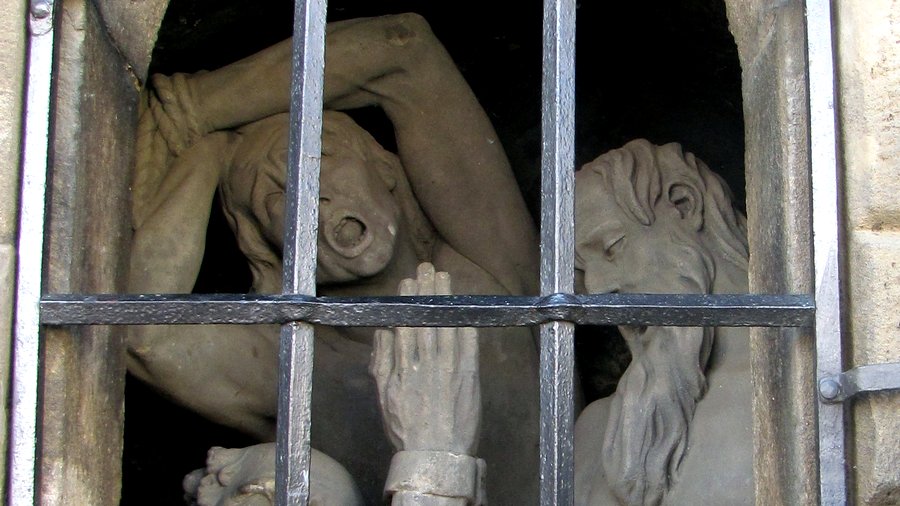
Statues of people in a jail cell.

[This is an excerpt from a discourse where the Buddha is detailing the full path to enlightenment.]

…What more is there to do? Take a mendicant who frequents a secluded lodging—a wilderness, the root of a tree, a hill, a ravine, a mountain cave, a charnel ground, a forest, the open air, a heap of straw.

After the meal, they return from almsround, sit down cross-legged, set their body straight, and establish mindfulness in front of them. Giving up covetousness for the world, they meditate with a heart rid of covetousness, cleansing the mind of covetousness. Giving up ill will and malevolence, they meditate with a mind rid of ill will, full of compassion for all living beings, cleansing the mind of ill will. Giving up dullness and drowsiness, they meditate with a mind rid of dullness and drowsiness, perceiving light, mindful and aware, cleansing the mind of dullness and drowsiness. Giving up restlessness and remorse, they meditate without restlessness, their mind peaceful inside, cleansing the mind of restlessness and remorse. Giving up doubt, they meditate having gone beyond doubt, not undecided about skillful qualities, cleansing the mind of doubt.

Suppose a man who has gotten into debt were to apply himself to work, and his efforts proved successful. He would pay off the original loan and have enough left over to support his partner. Thinking about this, he’d be filled with joy and happiness.

Suppose a person was sick, suffering, and gravely ill. They’d lose their appetite and get physically weak. But after some time they’d recover from that illness, and regain their appetite and their strength. Thinking about this, they’d be filled with joy and happiness.

Suppose a person was imprisoned in a jail. But after some time they were released from jail, safe and sound, with no loss of wealth. Thinking about this, they’d be filled with joy and happiness.

Suppose a person was a bondservant. They would not be their own master, but indentured to another, unable to go where they wish. But after some time they’d be freed from servitude. They would be their own master, not indentured to another, an emancipated individual able to go where they wish. Thinking about this, they’d be filled with joy and happiness.

Suppose there was a person with wealth and property who was traveling along a desert road. But after some time they crossed over the desert, safe and sound, with no loss of wealth. Thinking about this, they’d be filled with joy and happiness.

In the same way, as long as these five hindrances are not given up inside themselves, a mendicant regards them as a debt, a disease, a prison, slavery, and a desert crossing. But when these five hindrances are given up inside themselves, a mendicant regards this as freedom from debt, good health, release from prison, emancipation, and a place of sanctuary at last.…


Read the complete translation of Majjhima Nikāya 39 Mahāassapurasutta: The Longer Discourse at Assapura by Bhikkhu Sujato on SuttaCentral.net. Or read a different translation on SuttaCentral.net or DhammaTalks.org. Or listen on PaliAudio.com or SC-Voice.net. Or explore the Pali on DigitalPaliReader.online.

Or read a translation in ру́сский язы́к, Bengali, Čeština, Deutsch, Español, Français, हिन्दी, Indonesian, Italiano, 日本語, 한국어/조선말, မြန်မာဘာသာ, Norsk, Português, සිංහල, Slovenščina, Srpski, ไทย, Tiếng Việt, or 汉语. Learn how to find your language.

MN 128 From… Upakkilesasutta: Corruptions: Energy

Baby quail held in two hands.

[This is a small part of a longer sutta where the Buddha explains his experience with meditation before his enlightenment.]

…While meditating … ‘Excessive energy arose in me, and because of that my immersion fell away. When immersion falls away, the light and vision of forms vanish. Suppose a person was to grip a quail too tightly in their hands—it would die right there. I’ll make sure that neither doubt nor loss of focus nor dullness and drowsiness nor terror nor excitement nor discomfort nor excessive energy will arise in me again.’

While meditating … ‘Overly lax energy arose in me, and because of that my immersion fell away. When immersion falls away, the light and vision of forms vanish. Suppose a person was to grip a quail too loosely—it would fly out of their hands. I’ll make sure that neither doubt nor loss of focus nor dullness and drowsiness nor terror nor excitement nor discomfort nor excessive energy nor overly lax energy will arise in me again.’…


Read the entire translation of Majjhima Nikāya 128 Upakkilesasutta: Corruptions by Bhikkhu Sujato on SuttaCentral.net. Or read a different translation on DhammaTalks.org. Or listen on PaliAudio.com or SC-Voice.net. Or explore the Pali on DigitalPaliReader.online.

Or read a translation in Bengali, Català, Deutsch, Español, Français, हिन्दी, Indonesian, Italiano, 日本語, မြန်မာဘာသာ, Norsk, Português, ру́сский язы́к, සිංහල, Slovenščina, Srpski, ไทย, Tiếng Việt, or 汉语. Learn how to find your language.

AN 7.67 Nagaropamasutta: The Simile of the Citadel

Citadel in the desert

[Sometimes the Buddha gave very complex similes to explain an important topic. We will have some of these as longer suttas on the weekends.]

“Mendicants, when a king’s frontier citadel is well provided with seven essentials and gets four kinds of sustenance when needed, without trouble or difficulty, it is then called a king’s frontier citadel that cannot be overrun by external foes and enemies.

With what seven essentials is a citadel well provided?

Firstly, a citadel has a pillar with deep foundations, firmly embedded, imperturbable and unshakable. This is the first essential with which a king’s frontier citadel is well provided, to defend those within and repel those outside.

Furthermore, a citadel has a moat that is deep and wide. This is the second essential …

Furthermore, a citadel has a patrol path that is high and wide. This is the third essential …

Furthermore, a citadel has stores of many weapons, both projectile and hand-held. This is the fourth essential …

Furthermore, many kinds of armed forces reside in a citadel, such as elephant riders, cavalry, charioteers, archers, bannermen, adjutants, food servers, warrior-chiefs, princes, chargers, great warriors, heroes, leather-clad soldiers, and sons of bondservants. This is the fifth essential …

Furthermore, a citadel has a gatekeeper who is astute, competent, and intelligent. He keeps strangers out and lets known people in. This is the sixth essential …

Furthermore, a citadel has a wall that’s high and wide, covered with plaster. This is the seventh essential with which a king’s frontier citadel is well provided, to defend those within and repel those outside.

With these seven essentials a citadel is well provided.

What are the four kinds of sustenance it gets when needed, without trouble or difficulty?

Firstly, a king’s frontier citadel has much hay, wood, and water stored up for the enjoyment, relief, and comfort of those within and to repel those outside.

Furthermore, a king’s frontier citadel has much rice and barley stored up for those within.

Furthermore, a king’s frontier citadel has much food such as sesame, green gram, and black gram stored up for those within.

Furthermore, a king’s frontier citadel has much medicine—ghee, butter, oil, honey, molasses, and salt—stored up for the enjoyment, relief, and comfort of those within and to repel those outside.

These are the four kinds of sustenance it gets when needed, without trouble or difficulty.

When a king’s frontier citadel is well provided with seven essentials and gets four kinds of sustenance when needed, without trouble or difficulty, it is then called a king’s frontier citadel that cannot be overrun by external foes and enemies.

In the same way, when a noble disciple has seven good qualities, and they get the four absorptions—blissful meditations in the present life that belong to the higher mind—when they want, without trouble or difficulty, they are then called a noble disciple who cannot be overrun by Māra, who cannot be overrun by the Wicked One. What are the seven good qualities that they have?

Just as a king’s frontier citadel has a pillar with deep foundations, firmly embedded, imperturbable and unshakable, to defend those within and repel those outside, in the same way a noble disciple has faith in the Realized One’s awakening: ‘That Blessed One is perfected, a fully awakened Buddha, accomplished in knowledge and conduct, holy, knower of the world, supreme guide for those who wish to train, teacher of gods and humans, awakened, blessed.’ A noble disciple with faith as their pillar gives up the unskillful and develops the skillful, they give up the blameworthy and develop the blameless, and they keep themselves pure. This is the first good quality they have.

Just as a citadel has a moat that is deep and wide, in the same way a noble disciple has a conscience. They’re conscientious about bad conduct by way of body, speech, and mind, and conscientious about having any bad, unskillful qualities. A noble disciple with a conscience as their moat gives up the unskillful and develops the skillful, they give up the blameworthy and develop the blameless, and they keep themselves pure. This is the second good quality they have.

Just as a citadel has a patrol path that is high and wide, in the same way a noble disciple is prudent. They’re prudent when it comes to bad conduct by way of body, speech, and mind, and prudent when it comes to acquiring any bad, unskillful qualities. A noble disciple with prudence as their patrol path gives up the unskillful and develops the skillful, they give up the blameworthy and develop the blameless, and they keep themselves pure. This is the third good quality they have.

Just as a citadel has stores of many weapons, both projectile and hand-held, in the same way a noble disciple is very learned. They remember and keep what they’ve learned. These teachings are good in the beginning, good in the middle, and good in the end, meaningful and well-phrased, describing a spiritual practice that’s entirely full and pure. They are very learned in such teachings, remembering them, reciting them, mentally scrutinizing them, and comprehending them theoretically. A noble disciple with learning as their weapon gives up the unskillful and develops the skillful, they give up the blameworthy and develop the blameless, and they keep themselves pure. This is the fourth good quality they have.

Just as many kinds of armed forces reside in a citadel … in the same way a noble disciple is energetic. They live with energy roused up for giving up unskillful qualities and embracing skillful qualities. They are strong, staunchly vigorous, not slacking off when it comes to developing skillful qualities. A noble disciple with energy as their armed forces gives up the unskillful and develops the skillful, they give up the blameworthy and develop the blameless, and they keep themselves pure. This is the fifth good quality they have.

Just as a citadel has a gatekeeper who is astute, competent, and intelligent, who keeps strangers out and lets known people in, in the same way a noble disciple is mindful. They have utmost mindfulness and alertness, and can remember and recall what was said and done long ago. A noble disciple with mindfulness as their gatekeeper gives up the unskillful and develops the skillful, they give up the blameworthy and develop the blameless, and they keep themselves pure. This is the sixth good quality they have.

Just as a citadel has a wall that’s high and wide, covered with plaster, to defend those within and repel those outside, in the same way a noble disciple is wise. They have the wisdom of arising and passing away which is noble, penetrative, and leads to the complete ending of suffering. A noble disciple with wisdom as their wall gives up the unskillful and develops the skillful, they give up the blameworthy and develop the blameless, and they keep themselves pure. This is the seventh good quality they have. These are the seven good qualities that they have.

And what are the four absorptions—blissful meditations in the present life that belong to the higher mind—that they get when they want, without trouble or difficulty? Just as a king’s frontier citadel has much hay, wood, and water stored up for the enjoyment, relief, and comfort of those within and to repel those outside, in the same way a noble disciple, quite secluded from sensual pleasures, secluded from unskillful qualities, enters and remains in the first absorption, which has the rapture and bliss born of seclusion, while placing the mind and keeping it connected. This is for their own enjoyment, relief, and comfort, and for alighting upon extinguishment.

Just as a king’s frontier citadel has much rice and barley stored up, in the same way, as the placing of the mind and keeping it connected are stilled, a noble disciple enters and remains in the second absorption, which has the rapture and bliss born of immersion, with internal clarity and mind at one, without placing the mind and keeping it connected. This is for their own enjoyment, relief, and comfort, and for alighting upon extinguishment.

Just as a king’s frontier citadel has much food such as sesame, green gram, and black gram stored up, in the same way with the fading away of rapture, a noble disciple enters and remains in the third absorption, where they meditate with equanimity, mindful and aware, personally experiencing the bliss of which the noble ones declare, ‘Equanimous and mindful, one meditates in bliss.’ This is for their own enjoyment, relief, and comfort, and for alighting upon extinguishment.

Just as a king’s frontier citadel has much medicine—ghee, butter, oil, honey, molasses, and salt—stored up for the enjoyment, relief, and comfort of those within and to repel those outside, in the same way, giving up pleasure and pain, and ending former happiness and sadness, a noble disciple enters and remains in the fourth absorption, without pleasure or pain, with pure equanimity and mindfulness. This is for their own enjoyment, relief, and comfort, and for alighting upon extinguishment. These are the four absorptions—blissful meditations in the present life that belong to the higher mind—which they get when they want, without trouble or difficulty.

When a noble disciple has seven good qualities, and they get the four absorptions—blissful meditations in the present life that belong to the higher mind—when they want, without trouble or difficulty, they are then called a noble disciple who cannot be overrun by Māra, who cannot be overrun by the Wicked One.”


Read this translation of Aṅguttara Nikāya 7.67 Nagaropamasutta: The Simile of the Citadel by Bhikkhu Sujato on SuttaCentral.net. Or read a different translation on DhammaTalks.org or SuttaFriends.org. Or listen on SC-Voice.net. Or explore the Pali on DigitalPaliReader.online.

Or read a translation in Deutsch, Bengali, Español, Indonesian, မြန်မာဘာသာ, Norsk, Português, ру́сский язы́к, සිංහල, ไทย, Tiếng Việt, or 汉语. Learn how to find your language.

SN 48.54 Padasutta: Footprints

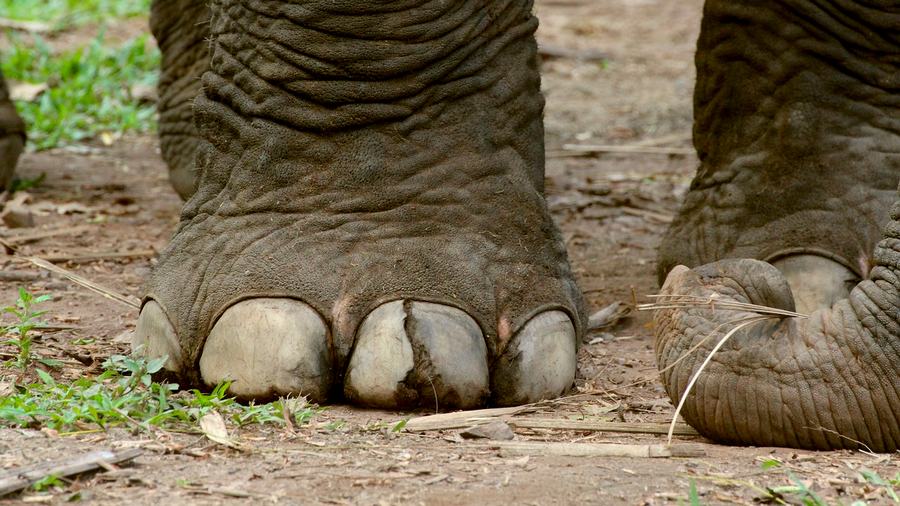
Closeup of elephant foot.

“The footprints of all creatures that walk can fit inside an elephant’s footprint, so an elephant’s footprint is said to be the biggest of them all. In the same way, the faculty of wisdom is said to be the best of the steps that lead to awakening in terms of becoming awakened.

And what are the steps that lead to awakening? The faculties of faith, energy, mindfulness, immersion, and wisdom are steps that lead to awakening, in that they lead to becoming awakened.

The footprints of all creatures that walk can fit inside an elephant’s footprint, so an elephant’s footprint is said to be the biggest of them all. In the same way, the faculty of wisdom is said to be the best of the steps that lead to awakening in terms of becoming awakened.”


Read this translation of Saṁyutta Nikāya 48.54 Padasutta: Footprints by Bhikkhu Sujato on SuttaCentral.net. Or listen on SC-Voice.net. Or explore the Pali on DigitalPaliReader.online.

Or read a translation in Deutsch, Bengali, Indonesian, 日本語, မြန်မာဘာသာ, Norsk, Português, ру́сский язы́к, සිංහල, ไทย, Tiếng Việt, or 汉语. Learn how to find your language.

Dhp 19 From… Yamakavagga: Pairs

Cowboy seated on horse herding cows.

Much though they may recite scripture,
if a negligent person does not apply them,
then, like a cowherd who counts the cattle of others,
they miss out on the blessings of the ascetic life.


Read the entire translation of Dhammapada 1–20 Yamakavagga: Pairs by Bhikkhu Sujato on SuttaCentral.net. Or read a different translation on SuttaCentral.net, SuttaFriends.org, DhammaTalks.org, Ancient-Buddhist-Texts.net or AccessToInsight.org. Or listen on Or explore the Pali on DigitalPaliReader.online.

Or read a translation in Deutsch, Tiếng Việt, Català, Čeština, Español, Français, עִבְֿרִיתּ, Magyar, Italiano, 日本語, Latine, मराठी, မြန်မာဘာသာ, Nederlands, Norsk, Polski, Português, සිංහල, Slovenščina, தமிழ், or 汉语. Learn how to find your language.

Thag 15.1 From… Aññāsikoṇḍaññattheragāthā: Koṇḍañña Who Understood

Dirt road after rain.

…Just as a rain cloud would settle
the dust blown up by the wind,
so thoughts settle down
when seen with wisdom.

All conditions are impermanent—
when this is seen with wisdom
one grows disillusioned with suffering:
this is the path to purity.

All conditions are suffering—
when this is seen with wisdom
one grows disillusioned with suffering:
this is the path to purity.

All things are not-self—
when this is seen with wisdom
one grows disillusioned with suffering:
this is the path to purity.…”


Read the entire translation of Theragāthā 15.1 Aññāsikoṇḍaññattheragāthā: Koṇḍañña Who Understood by Bhikkhu Sujato on SuttaCentral.net. Or read a different translation on SuttaFriends.org. Or listen on SC-Voice.net. Or explore the Pali on DigitalPaliReader.online.

Or read a translation in Deutsch, Indonesian, Italiano, 日本語, Norsk, සිංහල, or Tiếng Việt. Learn how to find your language.

SN 10.12 Āḷavakasutta: With Āḷavaka

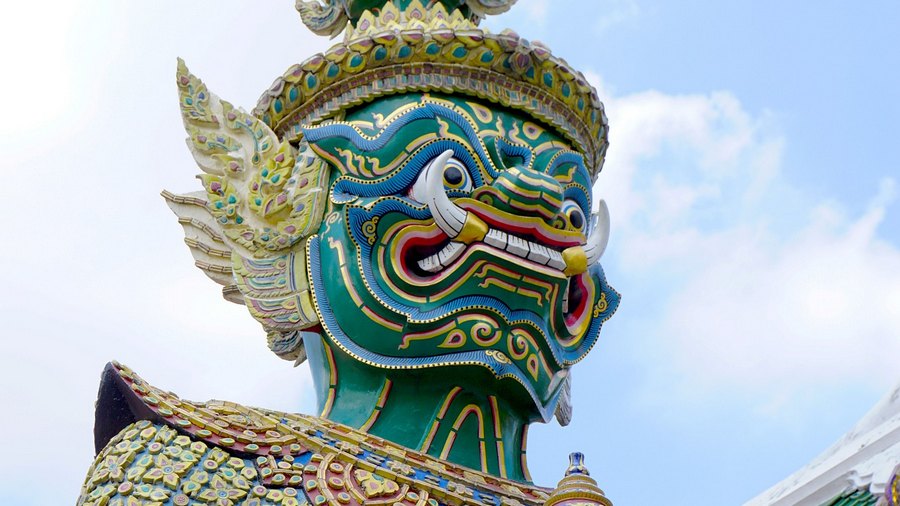
Statue of a demon.

So I have heard. At one time the Buddha was staying near Āḷavī in the haunt of the native spirit Āḷavaka.

Then the native spirit Āḷavaka went up to the Buddha, and said to him: “Get out, ascetic!”

Saying, “All right, sir,” the Buddha went out.

“Get in, ascetic!”

Saying, “All right, sir,” the Buddha went in.

And for a second time the native spirit Āḷavaka said to the Buddha, “Get out, ascetic!”

Saying, “All right, sir,” the Buddha went out.

“Get in, ascetic!”

Saying, “All right, sir,” the Buddha went in.

And for a third time the native spirit Āḷavaka said to the Buddha, “Get out, ascetic!”

Saying, “All right, sir,” the Buddha went out.

“Get in, ascetic!”

Saying, “All right, sir,” the Buddha went in.

And for a fourth time the native spirit Āḷavaka said to the Buddha,

“Get out, ascetic!”

“No, sir, I won’t get out. Do what you must.”

“I will ask you a question, ascetic. If you don’t answer me, I’ll drive you insane, or explode your heart, or grab you by the feet and throw you to the far shore of the Ganges!”

“I don’t see anyone in this world with its gods, Māras, and Brahmās, this population with its ascetics and brahmins, its gods and humans who could do that to me. But anyway, ask what you wish.”

“What’s a person’s best wealth?
What brings happiness when practiced well?
What’s the sweetest taste of all?
The one they say has the best life: how do they live?”

“Faith here is a person’s best wealth.
The teaching brings happiness when practiced well.
Truth is the sweetest taste of all.
The one they say has the best life lives by wisdom.”

“How do you cross the flood?
How do you cross the deluge?
How do you get over suffering?
How do you get purified?”

“By faith you cross the flood,
and by diligence the deluge.
By energy you get past suffering,
and you’re purified by wisdom.”

“How do you get wisdom?
How do you earn wealth?
How do you get a good reputation?
How do you hold on to friends?
How do the departed not grieve
when passing from this world to the next?”

“One who is diligent and discerning
gains wisdom by wanting to learn,
having faith in the perfected ones,
and the teaching for becoming extinguished.

Being responsible, acting appropriately,
and working hard you earn wealth.
Truthfulness wins you a good reputation.
You hold on to friends by giving.
That’s how the departed do not grieve
when passing from this world to the next.

A faithful householder
who has these four qualities
does not grieve after passing away:
truth, principle, steadfastness, and generosity.

Go ahead, ask others as well,
there are many ascetics and brahmins.
See whether anything better is found
than truth, self-control, generosity, and patience.”

“Why now would I question
the many ascetics and brahmins?
Today I understand
what’s good for the next life.

It was truly for my benefit
that the Buddha came to stay at Āḷavī.
Today I understand
where a gift is very fruitful.

I myself will journey
village to village, town to town,
paying homage to the Buddha,
and the natural excellence of the teaching!”


Read this translation of Saṁyutta Nikāya 10.12 Āḷavakasutta: With Āḷavaka by Bhikkhu Sujato on SuttaCentral.net. Or read a different translation on SuttaFriends.org or DhammaTalks.org. Or listen on PaliAudio.com or SC-Voice.net. Or explore the Pali on DigitalPaliReader.online.

Or read a translation in Deutsch, Bengali, Español, Français, Indonesian, Italiano, 日本語, မြန်မာဘာသာ, Norsk, ру́сский язы́к, සිංහල, ไทย, Tiếng Việt, or 汉语. Learn how to find your language.

AN 4.192 Ṭhānasutta: Facts

Two people facing each other talking.

[Note to new subscribers: Weekend selections are sometimes longer.]

“Mendicants, these four things can be known in four situations. What four?

You can get to know a person’s ethics by living with them. But only after a long time, not casually; only when attentive, not when inattentive; and only by the wise, not the witless.

You can get to know a person’s purity by dealing with them. …

You can get to know a person’s resilience in times of trouble. …

You can get to know a person’s wisdom by discussion. But only after a long time, not casually; only when attentive, not when inattentive; and only by the wise, not the witless.

‘You can get to know a person’s ethics by living with them. But only after a long time, not casually; only when attentive, not when inattentive; and only by the wise, not the witless.’ That’s what I said, but why did I say it? Take a person who’s living with someone else. They come to know: ‘For a long time this venerable’s deeds have been broken, tainted, spotty, and marred. Their deeds and behavior are inconsistent. This venerable is unethical, not ethical.’

Take another person who’s living with someone else. They come to know: ‘For a long time this venerable’s deeds have been unbroken, impeccable, spotless, and unmarred. Their deeds and behavior are consistent. This venerable is ethical, not unethical.’ That’s why I said that you can get to know a person’s ethics by living with them. But only after a long time, not a short time; only when attentive, not when inattentive; and only by the wise, not the witless.

‘You can get to know a person’s purity by dealing with them. …’ That’s what I said, but why did I say it? Take a person who has dealings with someone else. They come to know: ‘This venerable deals with one person in one way. Then they deal with two, three, or many people each in different ways. They’re not consistent from one deal to the next. This venerable’s dealings are impure, not pure.’

Take another person who has dealings with someone else. They come to know: ‘This venerable deals with one person in one way. Then they deal with two, three, or many people each in the same way. They’re consistent from one deal to the next. This venerable’s dealings are pure, not impure.’ That’s why I said that you can get to know a person’s purity by dealing with them. …

‘You can get to know a person’s resilience in times of trouble. …’ That’s what I said, but why did I say it? Take a person who experiences loss of family, wealth, or health. But they don’t reflect: ‘The world’s like that. Reincarnation’s like that. That’s why the eight worldly conditions revolve around the world, and the world revolves around the eight worldly conditions: gain and loss, fame and disgrace, blame and praise, pleasure and pain.’ They sorrow and wail and lament, beating their breast and falling into confusion.

Take another person who experiences loss of family, wealth, or health. But they reflect: ‘The world’s like that. Reincarnation’s like that. That’s why the eight worldly conditions revolve around the world, and the world revolves around the eight worldly conditions: gain and loss, fame and disgrace, blame and praise, pleasure and pain.’ They don’t sorrow or wail or lament, beating their breast and falling into confusion. That’s why I said that you can get to know a person’s resilience in times of trouble. …

‘You can get to know a person’s wisdom by discussion. But only after a long time, not casually; only when attentive, not when inattentive; and only by the wise, not the witless.’ That’s what I said, but why did I say it? Take a person who is discussing with someone else. They come to know: ‘Judging by this venerable’s approach, by what they’re getting at, and by how they discuss a question, they’re witless, not wise. Why is that? This venerable does not bring up a deep and meaningful saying that is peaceful, sublime, beyond the scope of logic, subtle, comprehensible to the astute. When this venerable speaks on Dhamma they’re not able to explain the meaning, either briefly or in detail. They can’t teach it, assert it, establish it, clarify it, analyze it, or reveal it. This venerable is witless, not wise.’

Suppose a person with clear eyes was standing on the bank of a lake. They’d see a little fish rising, and think: ‘Judging by this fish’s approach, by the ripples it makes, and by its force, it’s a little fish, not a big one.’ In the same way, a person who is discussing with someone else would come to know: ‘Judging by this venerable’s approach, by what they’re getting at, and by how they discuss a question, they’re witless, not wise. …’

Take another person who is discussing with someone else. They come to know: ‘Judging by this venerable’s approach, by what they’re getting at, and by how they discuss a question, they’re wise, not witless. Why is that? This venerable brings up a deep and meaningful saying that is peaceful, sublime, beyond the scope of logic, subtle, comprehensible to the astute. When this venerable speaks on Dhamma they’re able to explain the meaning, either briefly or in detail. They teach it, assert it, establish it, clarify it, analyze it, and reveal it. This venerable is wise, not witless.’

Suppose a man with clear eyes was standing on the bank of a lake. He’d see a big fish rising, and think: ‘Judging by this fish’s approach, by the ripples it makes, and by its force, it’s a big fish, not a little one.’ In the same way, a person who is discussing with someone else would come to know: ‘Judging by this venerable’s approach, by what they’re getting at, and by how they articulate a question, they’re wise, not witless. …’

That’s why I said that you can get to know a person’s wisdom by discussion. But only after a long time, not casually; only when attentive, not when inattentive; and only by the wise, not the witless.

These are the four things that can be known in four situations.”


Read this translation of Aṅguttara Nikāya 4.192 Ṭhānasutta: Facts by Bhikkhu Sujato on SuttaCentral.net. Or read a different translation on or DhammaTalks.org. Or listen on PaliAudio.com or SC-Voice.net. Or explore the Pali on DigitalPaliReader.online.

Or read a translation in Čeština, Deutsch, Bengali, Français, Indonesian, မြန်မာဘာသာ, Português, ру́сский язы́к, සිංහල, ไทย, Tiếng Việt, or 汉语. Learn how to find your language.

AN 1.76–81 From… Kalyāṇamittādivagga

Pile of high value Euro bank notes.

76

“Loss of relatives, mendicants, is a small thing. Wisdom is the worst thing to lose.”

77

“Growth of relatives, mendicants, is a small thing. Wisdom is the best thing to grow.

So you should train like this: ‘We will grow in wisdom.’ That’s how you should train.”

78

“Loss of wealth, mendicants, is a small thing. Wisdom is the worst thing to lose.”

79

“Growth of wealth, mendicants, is a small thing. Wisdom is the best thing to grow.

So you should train like this: ‘We will grow in wisdom.’ That’s how you should train.”

80

“Loss of fame, mendicants, is a small thing. Wisdom is the worst thing to lose.”

81

“Growth of fame, mendicants, is a small thing. Wisdom is the best thing to grow.

So you should train like this: ‘We will grow in wisdom.’ That’s how you should train.”


Read the entire translation of Aṅguttara Nikāya 1.71–81 Kalyāṇamittādivagga: 71 by Bhikkhu Sujato on SuttaCentral.net. Or read a different translation on SuttaFriends.org. Or listen on PaliAudio.com or SC-Voice.net. Or explore the Pali on DigitalPaliReader.online.

Or read a translation in one of 18 other modern languages.

DN 33 From… Saṅgītisutta: Reciting in Concert

Buddha statue head.

…There are teachings grouped by three that have been rightly explained by the Buddha. You should all recite these in concert. What are the teachings grouped by three?…

…Three kinds of wisdom: the wisdom of a trainee, the wisdom of an adept, and the wisdom of one who is neither a trainee nor an adept.

Another three kinds of wisdom: wisdom produced by thought, learning, and meditation.

Three weapons: learning, seclusion, and wisdom.

Three faculties: the faculty of understanding that one’s enlightenment is imminent, the faculty of enlightenment, and the faculty of one who is enlightened.

Three eyes: the eye of the flesh, the eye of clairvoyance, and the eye of wisdom.

Three trainings: in higher ethics, higher mind, and higher wisdom.

Three kinds of development: the development of physical endurance, the development of the mind, and the development of wisdom.…


Read the entire translation of Dīgha Nikāya 33 Saṅgītisutta: Reciting in Concert by Bhikkhu Sujato on SuttaCentral.net. Or read a different translation on DhammaTalks.org. Or listen on PaliAudio.com or SC-Voice.net. Or explore the Pali on DigitalPaliReader.online.

Or read a translation in Deutsch, Srpski, Bengali, Español, Hebrew, हिन्दी, Indonesian, Italiano, 日本語, ಕನ್ನಡ, မြန်မာဘာသာ, Norsk, Português, සිංහල, ไทย, Tiếng Việt, or 汉语. Learn how to find your language.

SN 37.34 Vaḍḍhīsutta: Growth

Person sitting in a very deep chamber of some sort.

“Mendicants, a female noble disciple who grows in five ways grows nobly, taking on what is essential and excellent in this life. What five? She grows in faith, ethics, learning, generosity, and wisdom. A female noble disciple who grows in these five ways grows nobly, taking on what is essential and excellent in this life.

When she grows in faith and ethics,
wisdom, and both generosity and learning—
a virtuous laywoman such as she
takes on what is essential for herself in this life.”


Read this translation of Saṁyutta Nikāya 37.34 Vaḍḍhīsutta: Growth by Bhikkhu Sujato on SuttaCentral.net. Or read a different translation on DhammaTalks.org. Or listen on SC-Voice.net. Or explore the Pali on DigitalPaliReader.online.

Or read a translation in Deutsch, Bengali, Indonesian, 日本語, မြန်မာဘာသာ, Norsk, ру́сский язы́к, සිංහල, ไทย, Tiếng Việt, or 汉语. Learn how to find your language.

DN 10 From… Subhasutta: With Subha

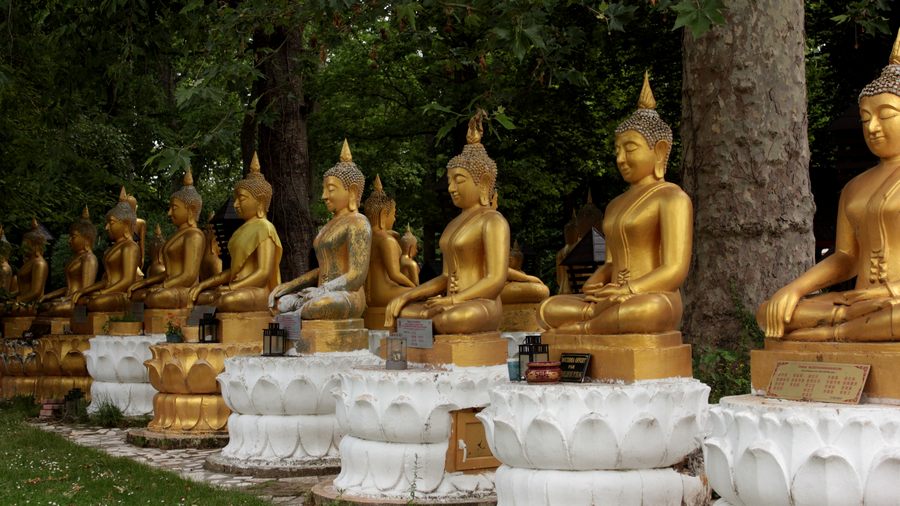
Forest with many identical gold Buddha statues.

[The selection today is unusually long. And even this is just part of a longer sutta. It explains with beautiful similes both psychic powers as well as the three knowledges attained by the Buddha on the night of his enlightenment. It is a conversation between Ven. Ānanada and the householder Subha.]

But what, Master Ānanda, was that spectrum of noble wisdom that the Buddha praised?”

“When their mind has become immersed in samādhi like this—purified, bright, flawless, rid of corruptions, pliable, workable, steady, and imperturbable—they project it and extend it toward knowledge and vision. They understand: ‘This body of mine is physical. It’s made up of the four primary elements, produced by mother and father, built up from rice and porridge, liable to impermanence, to wearing away and erosion, to breaking up and destruction. And this consciousness of mine is attached to it, tied to it.’

Suppose there was a beryl gem that was naturally beautiful, eight-faceted, well-worked, transparent, clear, and unclouded, endowed with all good qualities. And it was strung with a thread of blue, yellow, red, white, or golden brown. And someone with clear eyes were to take it in their hand and examine it: ‘This beryl gem is naturally beautiful, eight-faceted, well-worked, transparent, clear, and unclouded, endowed with all good qualities. And it’s strung with a thread of blue, yellow, red, white, or golden brown.’

In the same way, when their mind has become immersed in samādhi like this—purified, bright, flawless, rid of corruptions, pliable, workable, steady, and imperturbable—they project it and extend it toward knowledge and vision. This pertains to their wisdom.

When their mind has become immersed in samādhi like this—purified, bright, flawless, rid of corruptions, pliable, workable, steady, and imperturbable—they project it and extend it toward the creation of a mind-made body. From this body they create another body, physical, mind-made, complete in all its various parts, not deficient in any faculty.

Suppose a person was to draw a reed out from its sheath. They’d think: ‘This is the reed, this is the sheath. The reed and the sheath are different things. The reed has been drawn out from the sheath.’ Or suppose a person was to draw a sword out from its scabbard. They’d think: ‘This is the sword, this is the scabbard. The sword and the scabbard are different things. The sword has been drawn out from the scabbard.’ Or suppose a person was to draw a snake out from its slough. They’d think: ‘This is the snake, this is the slough. The snake and the slough are different things. The snake has been drawn out from the slough.’

In the same way, when their mind has become immersed in samādhi like this—purified, bright, flawless, rid of corruptions, pliable, workable, steady, and imperturbable—they project it and extend it toward the creation of a mind-made body. This pertains to their wisdom.

When their mind has become immersed in samādhi like this—purified, bright, flawless, rid of corruptions, pliable, workable, steady, and imperturbable—they project it and extend it toward psychic power. They wield the many kinds of psychic power: multiplying themselves and becoming one again; appearing and disappearing; going unimpeded through a wall, a rampart, or a mountain as if through space; diving in and out of the earth as if it were water; walking on water as if it were earth; flying cross-legged through the sky like a bird; touching and stroking with the hand the sun and moon, so mighty and powerful; controlling the body as far as the Brahmā realm.

Suppose a deft potter or their apprentice had some well-prepared clay. They could produce any kind of pot that they like. Or suppose a deft ivory-carver or their apprentice had some well-prepared ivory. They could produce any kind of ivory item that they like. Or suppose a deft goldsmith or their apprentice had some well-prepared gold. They could produce any kind of gold item that they like.

In the same way, when their mind has become immersed in samādhi like this—purified, bright, flawless, rid of corruptions, pliable, workable, steady, and imperturbable—they project it and extend it toward psychic power. This pertains to their wisdom.

When their mind has become immersed in samādhi like this—purified, bright, flawless, rid of corruptions, pliable, workable, steady, and imperturbable—they project it and extend it toward clairaudience. With clairaudience that is purified and superhuman, they hear both kinds of sounds, human and divine, whether near or far. Suppose there was a person traveling along the road. They’d hear the sound of drums, clay drums, horns, kettledrums, and tom-toms. They’d think: ‘That’s the sound of drums,’ and ‘that’s the sound of clay drums,’ and ‘that’s the sound of horns, kettledrums, and tom-toms.’

In the same way, when their mind has become immersed in samādhi like this—purified, bright, flawless, rid of corruptions, pliable, workable, steady, and imperturbable—they project it and extend it toward clairaudience. This pertains to their wisdom.

When their mind has become immersed in samādhi like this—purified, bright, flawless, rid of corruptions, pliable, workable, steady, and imperturbable—they project it and extend it toward comprehending the minds of others. They understand mind with greed as ‘mind with greed’, and mind without greed as ‘mind without greed’. They understand mind with hate … mind without hate … mind with delusion … mind without delusion … constricted mind … scattered mind … expansive mind … unexpansive mind … mind that is not supreme … mind that is supreme … immersed mind … unimmersed mind … freed mind … They understand unfreed mind as ‘unfreed mind’.

Suppose there was a woman or man who was young, youthful, and fond of adornments, and they check their own reflection in a clean bright mirror or a clear bowl of water. If they had a spot they’d know ‘I have a spot,’ and if they had no spots they’d know ‘I have no spots.’

In the same way, when their mind has become immersed in samādhi like this—purified, bright, flawless, rid of corruptions, pliable, workable, steady, and imperturbable—they project it and extend it toward comprehending the minds of others. This pertains to their wisdom.

When their mind has become immersed in samādhi like this—purified, bright, flawless, rid of corruptions, pliable, workable, steady, and imperturbable—they project it and extend it toward recollection of past lives. They recollect many kinds of past lives, that is, one, two, three, four, five, ten, twenty, thirty, forty, fifty, a hundred, a thousand, a hundred thousand rebirths; many eons of the world contracting, many eons of the world expanding, many eons of the world contracting and expanding. They remember: ‘There, I was named this, my clan was that, I looked like this, and that was my food. This was how I felt pleasure and pain, and that was how my life ended. When I passed away from that place I was reborn somewhere else. There, too, I was named this, my clan was that, I looked like this, and that was my food. This was how I felt pleasure and pain, and that was how my life ended. When I passed away from that place I was reborn here.’ And so they recollect their many kinds of past lives, with features and details.

Suppose a person was to leave their home village and go to another village. From that village they’d go to yet another village. And from that village they’d return to their home village. They’d think: ‘I went from my home village to another village. There I stood like this, sat like that, spoke like this, or kept silent like that. From that village I went to yet another village. There too I stood like this, sat like that, spoke like this, or kept silent like that. And from that village I returned to my home village.’

In the same way, when their mind has become immersed in samādhi like this—purified, bright, flawless, rid of corruptions, pliable, workable, steady, and imperturbable—they project it and extend it toward recollection of past lives. This pertains to their wisdom.

When their mind has become immersed in samādhi like this—purified, bright, flawless, rid of corruptions, pliable, workable, steady, and imperturbable—they project it and extend it toward knowledge of the death and rebirth of sentient beings. With clairvoyance that is purified and superhuman, they see sentient beings passing away and being reborn—inferior and superior, beautiful and ugly, in a good place or a bad place. They understand how sentient beings are reborn according to their deeds. ‘These dear beings did bad things by way of body, speech, and mind. They spoke ill of the noble ones; they had wrong view; and they chose to act out of that wrong view. When their body breaks up, after death, they’re reborn in a place of loss, a bad place, the underworld, hell. These dear beings, however, did good things by way of body, speech, and mind. They never spoke ill of the noble ones; they had right view; and they chose to act out of that right view. When their body breaks up, after death, they’re reborn in a good place, a heavenly realm.’ And so, with clairvoyance that is purified and superhuman, they see sentient beings passing away and being reborn—inferior and superior, beautiful and ugly, in a good place or a bad place. They understand how sentient beings are reborn according to their deeds.

Suppose there was a stilt longhouse at the central square. A person with clear eyes standing there might see people entering and leaving a house, walking along the streets and paths, and sitting at the central square. They’d think: ‘These are people entering and leaving a house, walking along the streets and paths, and sitting at the central square.’

In the same way, when their mind has become immersed in samādhi like this—purified, bright, flawless, rid of corruptions, pliable, workable, steady, and imperturbable—they project and extend it toward knowledge of the death and rebirth of sentient beings. This pertains to their wisdom.

When their mind has become immersed in samādhi like this—purified, bright, flawless, rid of corruptions, pliable, workable, steady, and imperturbable—they project it and extend it toward knowledge of the ending of defilements. They truly understand: ‘This is suffering’ … ‘This is the origin of suffering’ … ‘This is the cessation of suffering’ … ‘This is the practice that leads to the cessation of suffering’. They truly understand: ‘These are defilements’ … ‘This is the origin of defilements’ … ‘This is the cessation of defilements’ … ‘This is the practice that leads to the cessation of defilements’. Knowing and seeing like this, their mind is freed from the defilements of sensuality, desire to be reborn, and ignorance. When they’re freed, they know they’re freed.

They understand: ‘Rebirth is ended, the spiritual journey has been completed, what had to be done has been done, there is no return to any state of existence.’

Suppose that in a mountain glen there was a lake that was transparent, clear, and unclouded. A person with clear eyes standing on the bank would see the clams and mussels, and pebbles and gravel, and schools of fish swimming about or staying still. They’d think: ‘This lake is transparent, clear, and unclouded. And here are the clams and mussels, and pebbles and gravel, and schools of fish swimming about or staying still.’

In the same way, when their mind has become immersed in samādhi like this—purified, bright, flawless, rid of corruptions, pliable, workable, steady, and imperturbable—they project it and extend it toward knowledge of the ending of defilements. This pertains to their wisdom.

This is that spectrum of noble wisdom that the Buddha praised. And there is nothing more to be done.…”


Read the entire translation of Dīgha Nikāya 10 Subhasutta: With Subha by Bhikkhu Sujato on SuttaCentral.net. Or listen on PaliAudio.com or SC-Voice.net. Or explore the Pali on DigitalPaliReader.online.

Or read a translation in Deutsch, Srpski, Bengali, Hebrew, हिन्दी, Indonesian, Italiano, 日本語, ಕನ್ನಡ, မြန်မာဘာသာ, Norsk, Português, සිංහල, ไทย, Tiếng Việt, or 汉语. Learn how to find your language.

AN 6.107 Rāgasutta: Greed

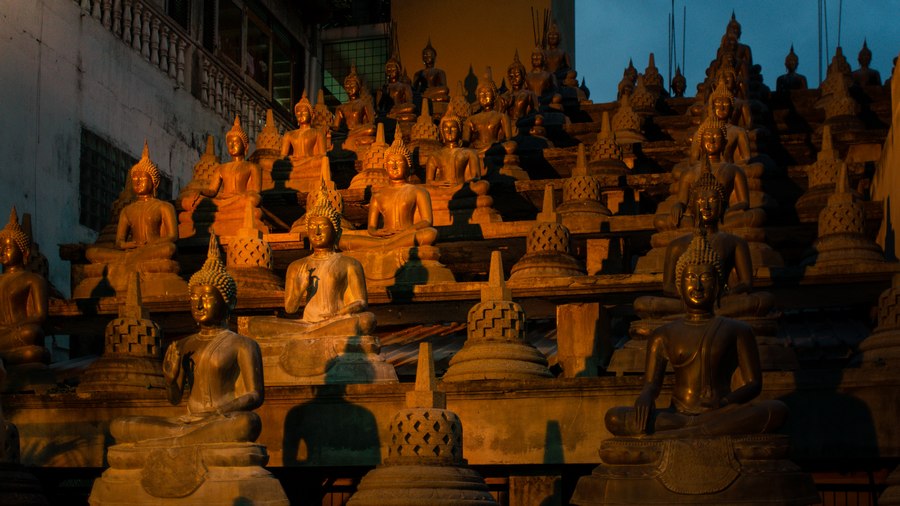
A large, sloping shrine covered in small Buddha statues and Borobudur style stupas.

“Mendicants, there are these three things. What three? Greed, hate, and delusion. These are the three things. To give up these three things you should develop three things. What three? You should develop the perception of ugliness to give up greed, love to give up hate, and wisdom to give up delusion. These are the three things you should develop to give up those three things.”


Read this translation of Aṅguttara Nikāya 6.107 Rāgasutta: Greed by Bhikkhu Sujato on SuttaCentral.net. Or listen on SC-Voice.net. Or explore the Pali on DigitalPaliReader.online.

Or read a translation in Deutsch, Bengali, Español, Indonesian, မြန်မာဘာသာ, ру́сский язы́к, සිංහල, ไทย, Tiếng Việt, or 汉语. Learn how to find your language.

SN 46.45 Paññavantasutta: Wise

New, red bodhi leaves.

“Sir they speak of a person who is ‘wise, no idiot’. How is a person who is wise, no idiot defined?”

“Mendicant, they’re called wise, no idiot because they’ve developed and cultivated the seven awakening factors. What seven? The awakening factors of mindfulness, investigation of principles, energy, rapture, tranquility, immersion, and equanimity. They’re called wise, no idiot because they’ve developed and cultivated these seven awakening factors.”


Read this translation of Saṁyutta Nikāya 46.45 Paññavantasutta: Wise by Bhikkhu Sujato on SuttaCentral.net. Or read a different translation on SuttaCentral.net. Or listen on SC-Voice.net. Or explore the Pali on DigitalPaliReader.online.

Or read a translation in Deutsch, Bengali, Español, Indonesian, 日本語, မြန်မာဘာသာ, Norsk, ру́сский язы́к, සිංහල, ไทย, Tiếng Việt, or 汉语. Learn how to find your language.

SN 48.9 Paṭhamavibhaṅgasutta: Analysis (1st)

White Buddha statue.

“Mendicants, there are these five faculties. What five? The faculties of faith, energy, mindfulness, immersion, and wisdom.

And what is the faculty of faith? It’s when a noble disciple has faith in the Realized One’s awakening: ‘That Blessed One is perfected, a fully awakened Buddha, accomplished in knowledge and conduct, holy, knower of the world, supreme guide for those who wish to train, teacher of gods and humans, awakened, blessed.’ This is called the faculty of faith.

And what is the faculty of energy? It’s when a noble disciple lives with energy roused up for giving up unskillful qualities and embracing skillful qualities. They’re strong, staunchly vigorous, not slacking off when it comes to developing skillful qualities. This is called the faculty of energy.

And what is the faculty of mindfulness? It’s when a noble disciple is mindful. They have utmost mindfulness and alertness, and can remember and recall what was said and done long ago. This is called the faculty of mindfulness.

And what is the faculty of immersion? It’s when a noble disciple, relying on letting go, gains immersion, gains unification of mind. This is called the faculty of immersion.

And what is the faculty of wisdom? It’s when a noble disciple is wise. They have the wisdom of arising and passing away which is noble, penetrative, and leads to the complete ending of suffering. This is called the faculty of wisdom.

These are the five faculties.”


Read this translation of Saṁyutta Nikāya 48.9 Paṭhamavibhaṅgasutta: Analysis (1st) by Bhikkhu Sujato on SuttaCentral.net. Or listen on SC-Voice.net. Or explore the Pali on DigitalPaliReader.online.

Or read a translation in Deutsch, Bengali, Español, Indonesian, 日本語, မြန်မာဘာသာ, Norsk, ру́сский язы́к, සිංහල, ไทย, Tiếng Việt, or 汉语. Learn how to find your language.

AN 9.25 Paññāsutta: Consolidated by Wisdom

Abstract fractal image.

“Mendicants, when a mendicant’s mind has been well consolidated with wisdom it’s appropriate for them to say: ‘I understand: “Rebirth is ended, the spiritual journey has been completed, what had to be done has been done, there is no return to any state of existence.”’

“And how is a mendicant’s mind well consolidated with wisdom?

  • The mind is well consolidated with wisdom when they know: ‘My mind is without greed.’ …
  • ‘My mind is without hate.’ …
  • ‘My mind is without delusion.’ …
  • ‘My mind is not liable to become greedy.’ …
  • ‘My mind is not liable to become hateful.’ …
  • ‘My mind is not liable to become deluded.’ …
  • ‘My mind is not liable to return to rebirth in the sensual realm.’ …
  • ‘My mind is not liable to return to rebirth in the realm of luminous form.’ …
  • ‘My mind is not liable to return to rebirth in the formless realm.’

“When a mendicant’s mind has been well consolidated with wisdom it’s appropriate for them to say: ‘I understand: “Rebirth is ended, the spiritual journey has been completed, what had to be done has been done, there is no return to any state of existence.”’”


Read this translation of Aṅguttara Nikāya 9.25 Paññāsutta: Consolidated by Wisdom by Bhikkhu Sujato on SuttaCentral.net. Or read a different translation on DhammaTalks.org. Or listen on SC-Voice.net. Or explore the Pali on DigitalPaliReader.online.

Or read a translation in Deutsch, Bengali, Español, Indonesian, မြန်မာဘာသာ, Português, ру́сский язы́к, සිංහල, ไทย, Tiếng Việt, or 汉语. Learn how to find your language.

Dhp 81–82 From… Paṇḍitavagga: The Astute

Clear mountain lake.

As the wind cannot stir
a solid mass of rock,
so too blame and praise
do not affect the wise.

Like a deep lake,
clear and unclouded,
so clear are the astute
when they hear the teachings.


Read the entire translation of Dhammapada 76–89 Paṇḍitavagga: The Astute by Bhikkhu Sujato on SuttaCentral.net. Or read a different translation on SuttaCentral.net, SuttaFriends.org, DhammaTalks.org, Ancient-Buddhist-Texts.net or AccessToInsight.org. Or listen on Or explore the Pali on DigitalPaliReader.online.

Or read a translation in Deutsch, Tiếng Việt, Català, Čeština, Español, Français, עִבְֿרִיתּ, Magyar, Italiano, 日本語, Latine, मराठी, မြန်မာဘာသာ, Nederlands, Norsk, Polski, Português, සිංහල, Slovenščina, தமிழ், or 汉语. Learn how to find your language.

MN 135 Cūḷakammavibhaṅgasutta: The Shorter Analysis of Deeds—Wisdom

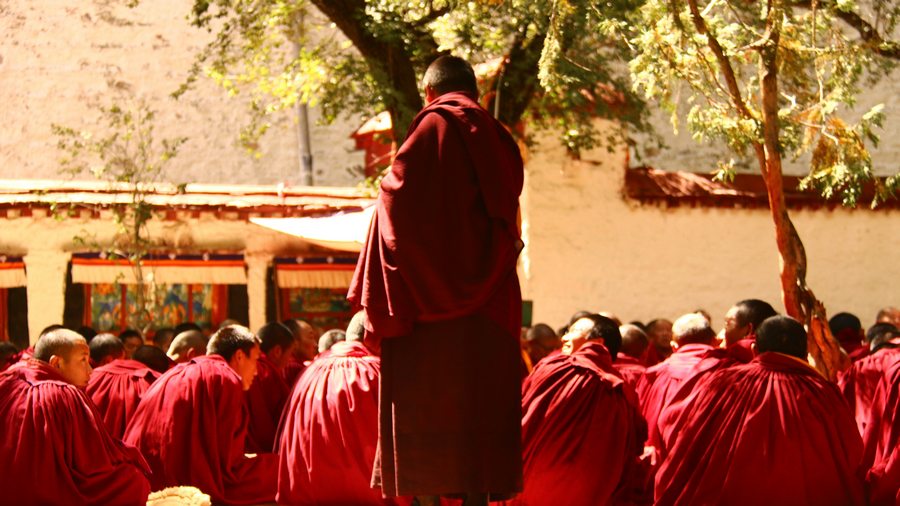
A large group of Buddhist monastics sitting under a tree.

…Take some woman or man who doesn’t approach an ascetic or brahmin to ask: ‘Sir, what is skillful and what is unskillful? What is blameworthy and what is blameless? What should be cultivated and what should not be cultivated? What kind of action will lead to my lasting harm and suffering? Or what kind of action will lead to my lasting welfare and happiness?’ Because of undertaking such deeds, after death they’re reborn in a place of loss … or if they return to the human realm, they’re witless …

But take some woman or man who does approach an ascetic or brahmin to ask: ‘Sir, what is skillful and what is unskillful? What is blameworthy and what is blameless? What should be cultivated and what should not be cultivated? What kind of action will lead to my lasting harm and suffering? Or what kind of action will lead to my lasting welfare and happiness?’ Because of undertaking such deeds, when their body breaks up, after death, they’re reborn in a good place, a heavenly realm. If they’re not reborn in a heavenly realm, but return to the human realm, then wherever they’re reborn they’re very wise. For asking questions of ascetics or brahmins is the path leading to wisdom.…


Read this translation of Majjhima Nikāya 135 Cūḷakammavibhaṅgasutta: The Shorter Analysis of Deeds by Bhikkhu Sujato on SuttaCentral.net. Or read a different translation on SuttaCentral.net, SuttaFriends.org or DhammaTalks.org. Or listen on PaliAudio.com or SC-Voice.net. Or explore the Pali on DigitalPaliReader.online.

Or read a translation in Lietuvių Kalba, ру́сский язы́к, Bengali, Deutsch, Español, Français, Hebrew, हिन्दी, Magyar, Indonesian, Italiano, 日本語, 한국어/조선말, မြန်မာဘာသာ, Nederlands, Norsk, Português, සිංහල, Slovenščina, Srpski, Svenska, ไทย, Tiếng Việt, or 汉语. Learn how to find your language.

AN 4.141 Ābhāsutta: Brightness

Sun shining through clouds.

“Mendicants, there are these four kinds of brightness. What four? The brightness of the moon, sun, fire, and wisdom. These are the four kinds of brightness. The best of these four kinds of brightness is the brightness of wisdom.”


Read this translation of Aṅguttara Nikāya 4.141 Ābhāsutta: Brightness Ābhāsutta by Bhikkhu Sujato on SuttaCentral.net. Or listen on PaliAudio.com or SC-Voice.net. Or explore the Pali on DigitalPaliReader.online.

Or read a translation in Čeština, Deutsch, Bengali, Español, Indonesian, မြန်မာဘာသာ, ру́сский язы́к, සිංහල, ไทย, Tiếng Việt, or 汉语. Learn how to find your language.

AN 4.233 Vitthārasutta: Deeds in Detail

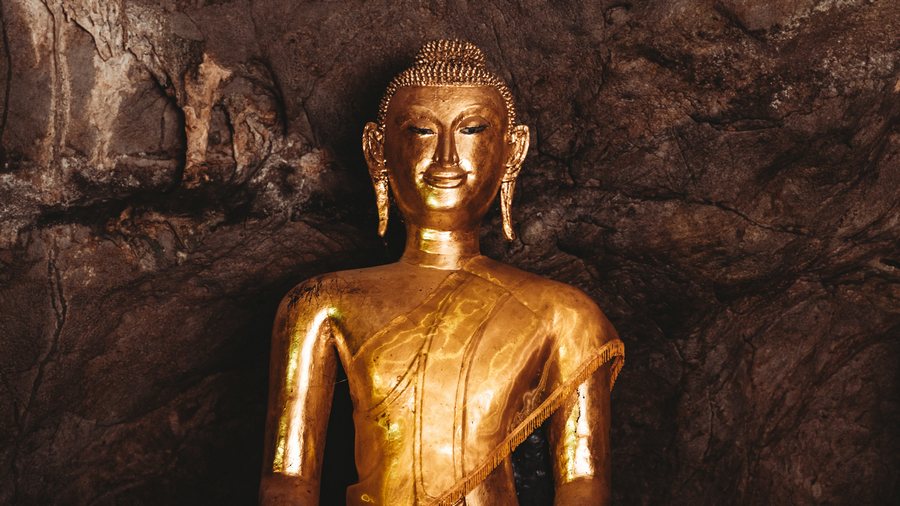
Gilded Buddha statue in a cave.

“Mendicants, I declare these four kinds of deeds, having realized them with my own insight. What four?

  1. There are dark deeds with dark results;
  2. bright deeds with bright results;
  3. dark and bright deeds with dark and bright results; and
  4. neither dark nor bright deeds with neither dark nor bright results, which lead to the ending of deeds.

And what are dark deeds with dark results? It’s when someone makes hurtful choices by way of body, speech, and mind. Having made these choices, they’re reborn in a hurtful world, where hurtful contacts strike them. Touched by hurtful contacts, they experience hurtful feelings that are exclusively painful—like the beings in hell. These are called dark deeds with dark results.

And what are bright deeds with bright results? It’s when someone makes pleasing choices by way of body, speech, and mind. Having made these choices, they’re reborn in a pleasing world, where pleasing contacts strike them. Touched by pleasing contacts, they experience pleasing feelings that are exclusively happy—like the gods replete with glory. These are called bright deeds with bright results.

And what are dark and bright deeds with dark and bright results? It’s when someone makes both hurtful and pleasing choices by way of body, speech, and mind. Having made these choices, they are reborn in a world that is both hurtful and pleasing, where hurtful and pleasing contacts strike them. Touched by both hurtful and pleasing contacts, they experience both hurtful and pleasing feelings that are a mixture of pleasure and pain—like humans, some gods, and some beings in the underworld. These are called dark and bright deeds with dark and bright results.

And what are neither dark nor bright deeds with neither dark nor bright results, which lead to the ending of deeds? It’s the intention to give up dark deeds with dark results, bright deeds with bright results, and both dark and bright deeds with both dark and bright results. These are called neither dark nor bright deeds with neither dark nor bright results, which lead to the ending of deeds.

These are the four kinds of deeds that I declare, having realized them with my own insight.”


Read this translation of Aṅguttara Nikāya 4.233 Vitthārasutta: Deeds in Detail by Bhikkhu Sujato on SuttaCentral.net. Or read a different translation on DhammaTalks.org. Or listen on PaliAudio.com or SC-Voice.net. Or explore the Pali on DigitalPaliReader.online.

Or read a translation in Čeština, Deutsch, Bengali, Español, Français, Indonesian, မြန်မာဘာသာ, ру́сский язы́к, සිංහල, ไทย, Tiếng Việt, or 汉语. Learn how to find your language.

AN 4.125 Paṭhamamettāsutta: Love (1st)

Abstract photo looking down on a massive spiral staircase.

“Mendicants, these four people are found in the world. What four?

Firstly, a person meditates spreading a heart full of love to one direction, and to the second, and to the third, and to the fourth. In the same way above, below, across, everywhere, all around, they spread a heart full of love to the whole world—abundant, expansive, limitless, free of enmity and ill will. They enjoy this and like it and find it satisfying. If they abide in that, are committed to it, and meditate on it often without losing it, when they die they’re reborn in the company of the gods of Brahmā’s Host. The lifespan of the gods of Brahma’s Host is one eon. An ordinary person stays there until the lifespan of those gods is spent, then they go to hell or the animal realm or the ghost realm. But a disciple of the Buddha stays there until the lifespan of those gods is spent, then they’re extinguished in that very life. This is the difference between a learned noble disciple and an unlearned ordinary person, that is, when there is a place of rebirth.

Furthermore, a person meditates spreading a heart full of compassion … rejoicing … equanimity to one direction, and to the second, and to the third, and to the fourth. In the same way above, below, across, everywhere, all around, they spread a heart full of equanimity to the whole world—abundant, expansive, limitless, free of enmity and ill will. They enjoy this and like it and find it satisfying. If they abide in that, are committed to it, and meditate on it often without losing it, when they die they’re reborn in the company of the gods of streaming radiance. The lifespan of the gods of streaming radiance is two eons. … they’re reborn in the company of the gods replete with glory. The lifespan of the gods replete with glory is four eons. … they’re reborn in the company of the gods of abundant fruit. The lifespan of the gods of abundant fruit is five hundred eons. An ordinary person stays there until the lifespan of those gods is spent, then they go to hell or the animal realm or the ghost realm. But a disciple of the Buddha stays there until the lifespan of those gods is spent, then they’re extinguished in that very life. This is the difference between a learned noble disciple and an unlearned ordinary person, that is, when there is a place of rebirth.

These are the four people found in the world.”


Read this translation of Aṅguttara Nikāya 4.125 Paṭhamamettāsutta: Love (1st) by Bhikkhu Sujato on SuttaCentral.net. Or read a different translation on SuttaCentral.net, DhammaTalks.org or AccessToInsight.org. Or listen on PaliAudio.com or SC-Voice.net. Or explore the Pali on DigitalPaliReader.online.

Or read a translation in Čeština, Deutsch, Bengali, Español, Français, Indonesian, မြန်မာဘာသာ, Português, ру́сский язы́к, සිංහල, ไทย, Tiếng Việt, or 汉语. Learn how to find your language.

MN 129 From… Bālapaṇḍitasutta: The Foolish and the Astute—Simile for Hell

Himalayan mountain range.

[Spoken by the Buddha:]

“…Having done bad things by way of body, speech, and mind, when their body breaks up, after death, they’re reborn in a place of loss, a bad place, the underworld, hell.

And if there’s anything of which it may be rightly said that it is utterly unlikable, undesirable, and disagreeable, it is of hell that this should be said. So much so that it’s not easy to give a simile for how painful hell is.”

When he said this, one of the mendicants asked the Buddha, “But sir, is it possible to give a simile?”

“It’s possible,” said the Buddha.

“Suppose they arrest a bandit, a criminal and present him to the king, saying, ‘Your Majesty, this is a bandit, a criminal. Punish him as you will.’ The king would say, ‘Go, my men, and strike this man in the morning with a hundred spears!’ The king’s men did as they were told. Then at midday the king would say, ‘My men, how is that man?’ ‘He’s still alive, Your Majesty.’ The king would say, ‘Go, my men, and strike this man in the midday with a hundred spears!’ The king’s men did as they were told. Then late in the afternoon the king would say, ‘My men, how is that man?’ ‘He’s still alive, Your Majesty.’ The king would say, ‘Go, my men, and strike this man in the late afternoon with a hundred spears!’ The king’s men did as they were told.

What do you think, mendicants? Would that man experience pain and distress from being struck with three hundred spears?”

“Sir, that man would experience pain and distress from being struck with one spear, let alone three hundred spears!”

Then the Buddha, picking up a stone the size of his palm, addressed the mendicants, “What do you think, mendicants? Which is bigger: the stone the size of my palm that I’ve picked up, or the Himalayas, the king of mountains?”

“Sir, the stone you’ve picked up is tiny. Compared to the Himalayas, it doesn’t count, it’s not worth a fraction, there’s no comparison.”

“In the same way, compared to the suffering in hell, the pain and distress experienced by that man due to being struck with three hundred spears doesn’t count, it’s not worth a fraction, there’s no comparison.…


Read the entire translation of Majjhima Nikāya 129 Bālapaṇḍitasutta: The Foolish and the Astute by Bhikkhu Sujato on SuttaCentral.net. Or listen on PaliAudio.com or SC-Voice.net. Or explore the Pali on DigitalPaliReader.online.

Or read a translation in Bengali, Deutsch, Español, हिन्दी, Indonesian, Italiano, မြန်မာဘာသာ, Norsk, Português, ру́сский язы́к, සිංහල, Srpski, ไทย, Tiếng Việt, or 汉语. Learn how to find your language.

Kp 7 Tirokuṭṭasutta: Outside the Walls

Tight alley way in an old city.

Outside the walls they stand and wait,
at the junctions and the crossroads.
Returning to their former homes
they wait beside the door posts.

But when lavish food and drink
of many kinds is set out,
no-one remembers them at all,
because of those beings’s deeds.

That’s why those who have compassion
give to their relatives
food and drink at the right time,
that’s clean, delicious, and suitable.

“May this be for our relatives!
May our relatives be happy!”
Those ghosts who have gathered there,
the departed relatives who have come

for the lavish food and drink
gratefully express appreciation:
“May our relatives live long!
For those to whom we owe this gain,

who have given honor to us,
it will not be fruitless for the donor.”
There is no farming there,
no cow pasture can be found;

likewise there’s no trading,
and no commerce in gold.
The departed, the dead in that place
live on what is given here.

Just as water that rains on high
flows down to the plains,
so too what is given here
aids the departed ghosts.

Just as the rivers full
swell the ocean seas
so too what is given here
aids the departed ghosts.

Thinking: “They gave to me, they did for me,
they were my family, friend, companion”,
give offerings to departed kin,
remembering past deeds.

For neither tears nor grief
or other lamentations
are of any use to the departed,
so long as their relatives stay like this.

This offering that has been given,
well placed in the Saṅgha,
is for their lasting welfare,
and aids them right away.

The relative’s duty has now been shown:
how high honor to departed is performed,
how the mendicants can be kept healthy,
and how no little merit is produced by you.


Read this translation of Khuddakapāṭha 7 Tirokuṭṭasutta: Outside the Walls by Bhikkhu Sujato on SuttaCentral.net. Or read a different translation on SuttaFriends.org, DhammaTalks.org or Ancient-Buddhist-Texts.net. Or listen on SC-Voice.net. Or explore the Pali on DigitalPaliReader.online.

Or read a translation in Deutsch, Italiano, 日本語, မြန်မာဘာသာ, Nederlands, සිංහල, Tiếng Việt, or 汉语. Learn how to find your language.