
ReadingFaithfully.org icon Facebook icon Bluesky icon Reddit icon Tumblr icon Mastodon icon RSS icon

DN 16 From… Mahāparinibbānasutta: The Great Discourse on the Buddha’s Extinguishment—Dividing the Relics

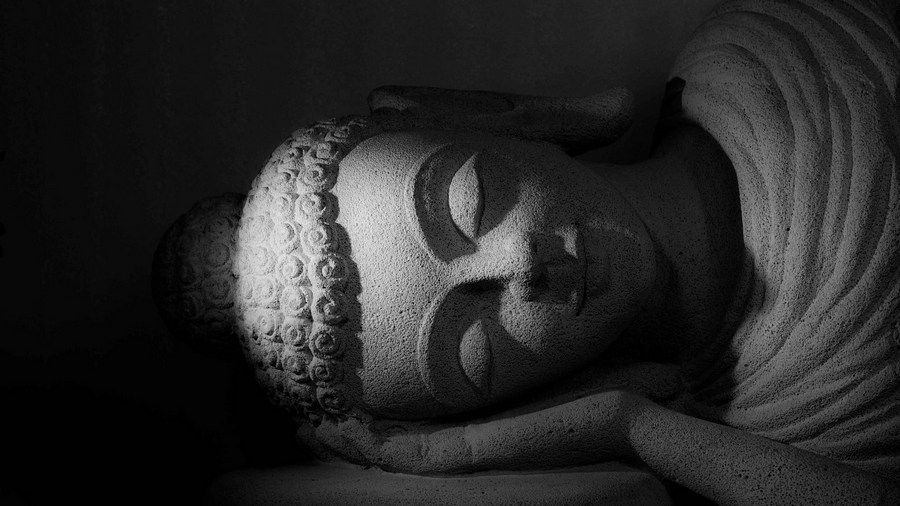
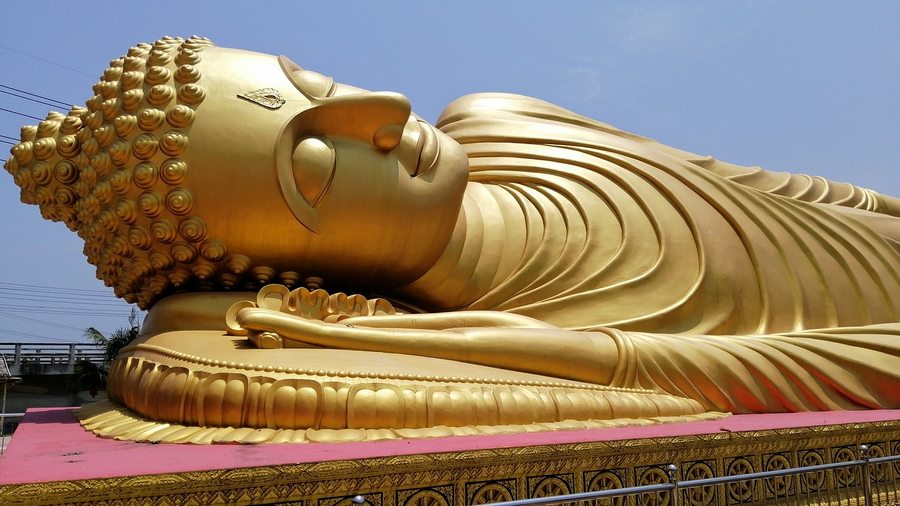
Head of a reclining Buddha.

[Note: Below are the final passages from DN 16]

And when the Buddha’s corpse was cremated no ash or soot was found from outer or inner skin, flesh, sinews, or synovial fluid. Only the relics remained. It’s like when ghee or oil blaze and burn, and neither ashes nor soot are found. In the same way, when the Buddha’s corpse was cremated no ash or soot was found from outer or inner skin, flesh, sinews, or synovial fluid. Only the relics remained. And of those five hundred pairs of garments only two were not burnt: the innermost and the outermost. But when the Buddha’s corpse was consumed the funeral pyre was extinguished by a stream of water that appeared in the sky, by water dripping from the sal trees, and by the Mallas’ fragrant water.

Then the Mallas made a cage of spears for the Buddha’s relics in the town hall and surrounded it with a buttress of bows. For seven days they honored, respected, revered, and venerated them with dance and song and music and garlands and fragrances.

King Ajātasattu of Magadha, son of the princess of Videha, heard that the Buddha had become fully extinguished at Kusinārā. He sent an envoy to the Mallas of Kusinārā: “The Buddha was an aristocrat and so am I. I too deserve a share of the Buddha’s relics. I will build a monument for them and conduct a memorial service.”

The Licchavis of Vesālī also heard that the Buddha had become fully extinguished at Kusinārā. They sent an envoy to the Mallas of Kusinārā: “The Buddha was an aristocrat and so are we. We too deserve a share of the Buddha’s relics. We will build a monument for them and conduct a memorial service.”

The Sakyans of Kapilavatthu also heard that the Buddha had become fully extinguished at Kusinārā. They sent an envoy to the Mallas of Kusinārā: “The Buddha was our foremost relative. We too deserve a share of the Buddha’s relics. We will build a monument for them and conduct a memorial service.”

The Bulis of Allakappa also heard that the Buddha had become fully extinguished at Kusinārā. They sent an envoy to the Mallas of Kusinārā: “The Buddha was an aristocrat and so are we. We too deserve a share of the Buddha’s relics. We will build a monument for them and conduct a memorial service.”

The Koliyans of Rāmagāma also heard that the Buddha had become fully extinguished at Kusinārā. They sent an envoy to the Mallas of Kusinārā: “The Buddha was an aristocrat and so are we. We too deserve a share of the Buddha’s relics. We will build a monument for them and conduct a memorial service.”

The brahmin of Veṭhadīpa also heard that the Buddha had become fully extinguished at Kusinārā. He sent an envoy to the Mallas of Kusinārā: “The Buddha was an aristocrat and I am a brahmin. I too deserve a share of the Buddha’s relics. I will build a monument for them and conduct a memorial service.”

The Mallas of Pāvā also heard that the Buddha had become fully extinguished at Kusinārā. They sent an envoy to the Mallas of Kusinārā: “The Buddha was an aristocrat and so are we. We too deserve a share of the Buddha’s relics. We will build a monument for them and conduct a memorial service.”

When they had spoken, the Mallas of Kusinārā said to those various groups: “The Buddha became fully extinguished in our village district. We will not give away a share of his relics.”

Then Doṇa the brahmin said to those various groups:

“Hear, sirs, a single word from me.
Our Buddha’s teaching was acceptance.
It would not be good to fight over
a share of the supreme person’s relics.

Let us make eight portions, good sirs,
rejoicing in unity and harmony.
Let there be monuments far and wide,
so many folk may gain faith in the Clear-eyed One!”

“Well then, brahmin, you yourself should fairly divide the Buddha’s relics in eight portions.”

“Yes, sirs,” replied Doṇa to those various groups. He divided the relics as asked and said to them, “Sirs, please give me the urn, and I shall build a monument for it and conduct a memorial service.” So they gave Doṇa the urn.

The Moriyas of Pippalivana heard that the Buddha had become fully extinguished at Kusinārā. They sent an envoy to the Mallas of Kusinārā: “The Buddha was an aristocrat, and so are we. We too deserve a share of the Buddha’s relics. We will build a monument for them and conduct a memorial service.”

“There is no portion of the Buddha’s relics left, they have already been portioned out. Here, take the embers.” So they took the embers.

Then King Ajātasattu of Magadha, the Licchavis of Vesālī, the Sakyans of Kapilavatthu, the Bulis of Allakappa, the Koliyans of Rāmagāma, the brahmin of Veṭhadīpa, the Mallas of Pāvā, the Mallas of Kusinārā, the brahmin Doṇa, and the Moriyas of Pippalivana built monuments for them and conducted memorial services. Thus there were eight monuments for the relics, a ninth for the urn, and a tenth for the embers. That is how it was in the old days.

There were eight sharesof the Clear-eyed One’s relics.
Seven were worshipped throughout India.
But one share of the most excellent of men
was worshipped in Rāmagāma by a dragon king.

One tooth is veneratedby the gods of the Three and Thirty,
and one is worshipped in the city of Gandhāra;
another one in the realm of the Kaliṅga King,
and one is worshipped by a dragon king.

Through their glory this rich earth
is adorned with the best of offerings.
Thus the Clear-eyed One’s corpse
is well honored by the honorable.

It’s venerated by lords of gods, dragons, and spirits;
and likewise venerated by the finest lords of men.
Honor it with joined palms when you get the chance,
for a Buddha is rare even in a hundred eons.

Altogether forty even teeth,
and the body hair and head hair,
were carried off individually by gods
across the universe.


Read the entire translation of Dīgha Nikāya 16 Mahāparinibbānasutta: The Great Discourse on the Buddha’s Extinguishment by Bhikkhu Sujato on SuttaCentral.net. Or read a different translation on DhammaTalks.org, Ancient-Buddhist-Texts.net or AccessToInsight.org. Or listen on PaliAudio.com or SC-Voice.net. Or explore the Pali on DigitalPaliReader.online.

Or read a translation in Deutsch, Srpski, বাংলা, Čeština, Español, Français, עִבְֿרִיתּ, हिन्दी, Magyar, Bahasa Indonesia, Italiano, 日本語, ಕನ್ನಡ, မြန်မာဘာသာ, Nederlands, Norsk, Português, Română, Русский, සිංහල, Slovenščina, Svenska, ไทย, Tiếng Việt, or 汉语. Learn how to find your language.

AN 8.85 Samaṇasutta: Terms for the Realized One

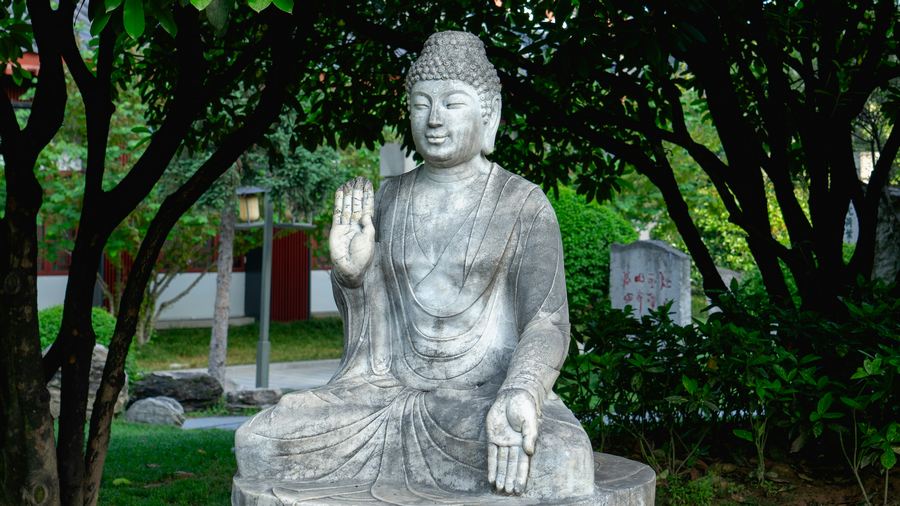
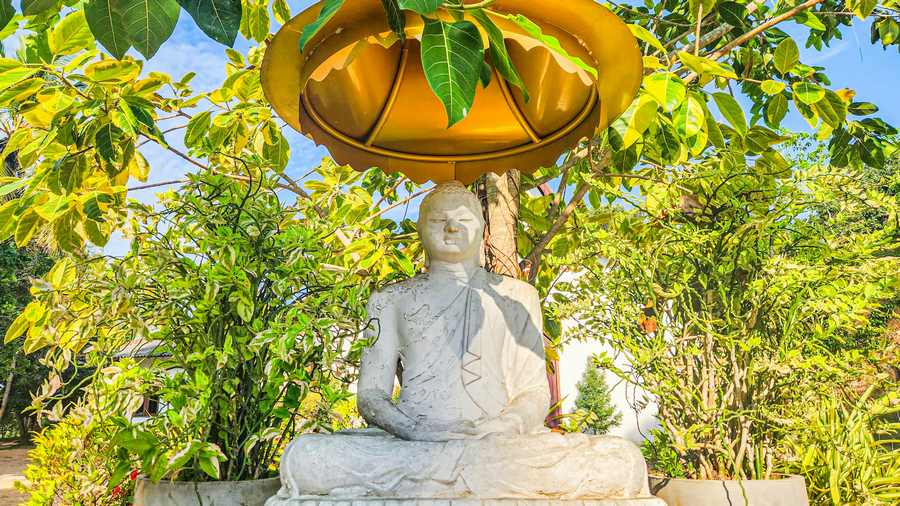
Stone Buddha statue in a garden.

[Happy Vesak to everyone!]

“‘Ascetic’ is a term for the Realized One, the perfected one, the fully awakened Buddha. ‘Brahmin’, ‘Knowledge Master’, ‘Healer’, ‘Unstained’, ‘Immaculate’, ‘Knower’, and ‘Freed’ are terms for the Realized One, the perfected one, the fully awakened Buddha.

The supreme should be attained by an ascetic,
a brahmin who has lived the life;
it should be attained by a knowledge master,
a healer.

The supreme should be attained by the unstained,
stainless and pure;
it should be attained by a knower,
who is free.

I am victorious in battle!
Released, I release others from their chains.
I am a dragon completely tamed,
an adept, I am extinguished.”


Read this translation of Aṅguttara Nikāya 8.85 Samaṇasutta: Terms for the Realized One by Bhikkhu Sujato on SuttaCentral.net. Or listen on SC-Voice.net. Or explore the Pali on DigitalPaliReader.online.

Or read a translation in Deutsch, বাংলা, Bahasa Indonesia, 日本語, မြန်မာဘာသာ, Русский, සිංහල, ไทย, Tiếng Việt, or 汉语. Learn how to find your language.
AN 6.55 From… Soṇasutta: With Soṇa

Painting of someone holding a small harp.

[Note: In this sutta we see the Buddha’s great skill in giving a teaching based on the listener’s experience. Below is only the first half of the sutta. Read the entire sutta on SuttaCentral.net.]

So I have heard. At one time the Buddha was staying near Rājagaha, on the Vulture’s Peak Mountain.

Now at that time Venerable Soṇa was staying near Rājagaha in the Cool Grove. Then as he was in private retreat this thought came to his mind, “I am one of the Buddha’s most energetic disciples. Yet my mind is not freed from defilements by not grasping. But my family has wealth. I could enjoy that wealth and make merit. Why don’t I resign the training and return to a lesser life, so I can enjoy my wealth and make merit?”

Then the Buddha knew what Venerable Soṇa was thinking. As easily as a strong person would extend or contract their arm, he vanished from the Vulture’s Peak and reappeared in the Cool Grove in front of Soṇa, and sat on the seat spread out. Soṇa bowed to the Buddha and sat down to one side.

The Buddha said to him, “Soṇa, as you were in private retreat didn’t this thought come to your mind: ‘I am one of the Buddha’s most energetic disciples. Yet my mind is not freed from defilements by not grasping. But my family has wealth. I could enjoy that wealth and make merit. Why don’t I resign the training and return to a lesser life, so I can enjoy my wealth and make merit?’”

“Yes, sir.”

“What do you think, Soṇa? When you were still a layman, weren’t you a good player of the arched harp?”

“Yes, sir.”

“When your harp’s strings were tuned too tight, was it resonant and playable?”

“No, sir.”

“When your harp’s strings were tuned too slack, was it resonant and playable?”

“No, sir.”

“But when your harp’s strings were tuned neither too tight nor too slack, but fixed at an even tension, was it resonant and playable?”

“Yes, sir.”

“In the same way, Soṇa, when energy is too forceful it leads to restlessness. When energy is too slack it leads to laziness. So, Soṇa, you should apply yourself to energy and serenity, find a balance of the faculties, and learn the pattern of this situation.”

“Yes, sir,” Soṇa replied.

After advising Soṇa like this, the Buddha, as easily as a strong person would extend or contract their arm, vanished from the Cool Grove and reappeared on the Vulture’s Peak.

After some time Soṇa applied himself to energy and serenity, found a balance of the faculties, and learned the pattern of this situation. Then Soṇa, living alone, withdrawn, diligent, keen, and resolute, soon realized the supreme culmination of the spiritual path in this very life. He lived having achieved with his own insight the goal for which gentlemen rightly go forth from the lay life to homelessness.

He understood: “Rebirth is ended; the spiritual journey has been completed; what had to be done has been done; there is no return to any state of existence.” And Venerable Soṇa became one of the perfected.

Then, when Soṇa had attained perfection, he thought, “Why don’t I go to the Buddha and declare my enlightenment in his presence?” Then Soṇa went up to the Buddha, bowed, sat down to one side, and said to him: …


Read the entire translation of Aṅguttara Nikāya 6.55 Soṇasutta: With Soṇa by Bhikkhu Sujato on SuttaCentral.net. Or read a different translation on DhammaTalks.org. Or listen on SC-Voice.net. Or explore the Pali on DigitalPaliReader.online.

Or read a translation in Deutsch, বাংলা, Español, Français, Bahasa Indonesia, Italiano, 日本語, မြန်မာဘာသာ, Norsk, Português, Русский, සිංහල, Svenska, ไทย, Tiếng Việt, or 汉语. Learn how to find your language.
AN 1.277: One Buddha

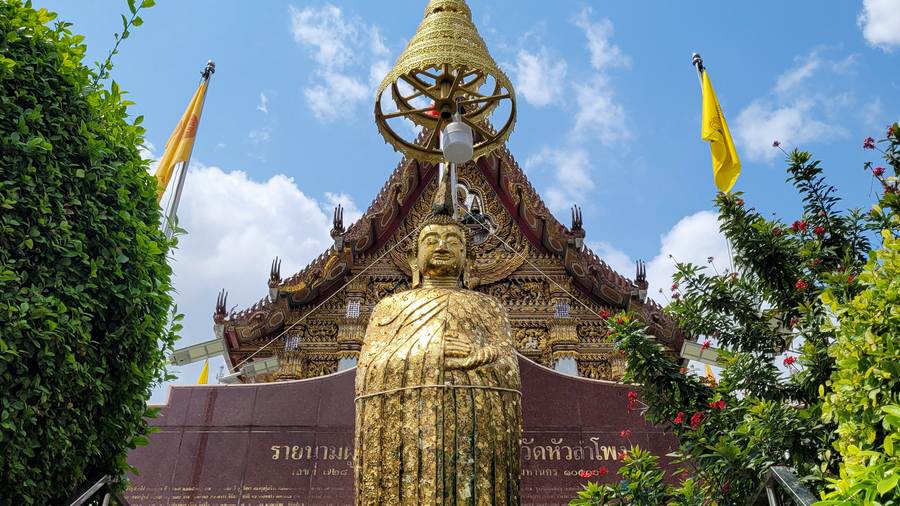
Large standing Buddha statue covered with gold leaf.

“It is impossible, mendicants, it cannot happen for two perfected ones, fully awakened Buddhas to arise in the same solar system at the same time. But it is possible for just one perfected one, a fully awakened Buddha, to arise in one solar system.”


Read this translation of Aṅguttara Nikāya 1.277 by Bhikkhu Sujato on SuttaCentral.net. Or read another translation on SuttaFriends.org. Or read the Pāli on DigitalPaliReader.online.

Or read a translation in other languages.

AN 2.54: Deaths Regretted by Many

Reclining Buddha.

“There are two people, mendicants, whose death is regretted by many people. What two? The Realized One, the perfected one, the fully awakened Buddha; and the wheel-turning monarch. These are the two people, mendicants, whose death is regretted by many people.”


Read this translation of Aṅguttara Nikāya 2.54 by Bhikkhu Sujato on SuttaCentral.net. Or listen on PaliAudio.com or SC-Voice.net. Or explore the Pali on DigitalPaliReader.online.

Or read in one of 15 other modern languages.

AN 5.133 Dhammarājāsutta: A Principled King

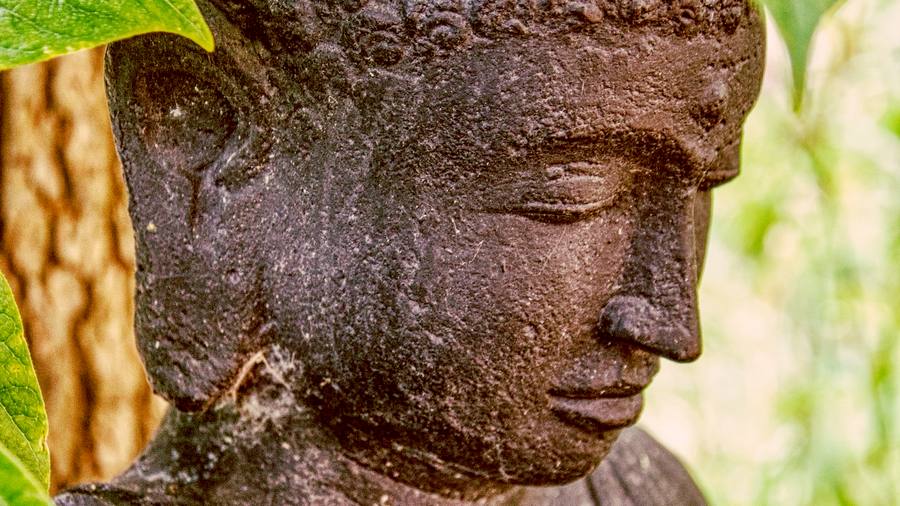
Close up of stone Buddha statue.

[Note: The word “principle” below is a translation for the Pali word Dhamma.]

“Mendicants, even a wheel-turning monarch, a just and principled king, does not wield power without having their own king.”

When he said this, one of the mendicants asked the Buddha, “But who is the king of the wheel-turning monarch, the just and principled king?”

“It is principle, monk,” said the Buddha.

“Monk, a wheel-turning monarch provides just protection and security for his court, relying only on principle—honoring, respecting, and venerating principle, having principle as his flag, banner, and authority.

He provides just protection and security for his aristocrats, vassals, troops, brahmins and householders, people of town and country, ascetics and brahmins, beasts and birds. When he has done this, he wields power only in a principled manner. And this power cannot be undermined by any human enemy.

In the same way, monk, a Realized One, a perfected one, a fully awakened Buddha, a just and principled king, provides just protection and security for the monks, relying only on principle—honoring, respecting, and venerating principle, having principle as his flag, banner, and authority. ‘This kind of bodily action should be cultivated. This kind of bodily action should not be cultivated. This kind of verbal action should be cultivated. This kind of verbal action should not be cultivated. This kind of mental action should be cultivated. This kind of mental action should not be cultivated. This kind of livelihood should be cultivated. This kind of livelihood should not be cultivated. This kind of market town should be cultivated. This kind of market town should not be cultivated.’

In the same way, monk, a Realized One, a perfected one, a fully awakened Buddha, a just and principled king, provides just protection and security for the nuns … laymen … laywomen, relying only on principle—honoring, respecting, and venerating principle, having principle as his flag, banner, and authority. ‘This kind of bodily action should be cultivated. This kind of bodily action should not be cultivated. This kind of verbal action should be cultivated. This kind of verbal action should not be cultivated. This kind of mental action should be cultivated. This kind of mental action should not be cultivated. This kind of livelihood should be cultivated. This kind of livelihood should not be cultivated. This kind of market town should be cultivated. This kind of market town should not be cultivated.’

When a Realized One, a perfected one, a fully awakened Buddha has provided just protection and security for the monks, nuns, laymen, and laywomen, he rolls forth the supreme Wheel of Dhamma only in a principled manner. And that wheel cannot be rolled back by any ascetic or brahmin or god or Māra or Brahmā or by anyone in the world.”


Read this translation of Aṅguttara Nikāya 5.133 Dhammarājāsutta: A Principled King by Bhikkhu Sujato on SuttaCentral.net. Or listen on SC-Voice.net. Or explore the Pali on DigitalPaliReader.online.

Or read a translation in Deutsch, বাংলা, Español, Français, Bahasa Indonesia, 日本語, မြန်မာဘာသာ, Русский, සිංහල, ไทย, Tiếng Việt, or 汉语. Learn how to find your language.
AN 1.175–186 From… Ekapuggalavagga: One Person

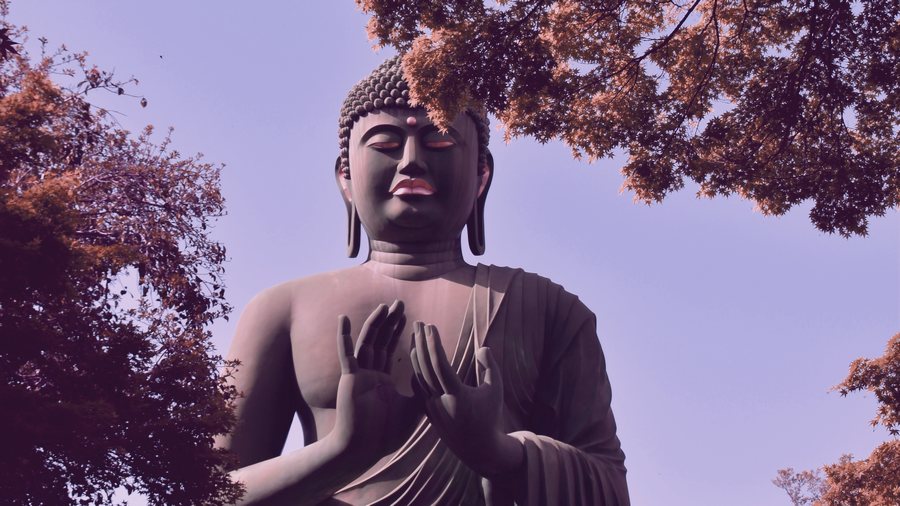
Giant Buddha statue in a park.

“With the appearance of one person, mendicants, there is

  • the appearance of a great eye,
  • a great light,
  • a great radiance,
  • and the six unsurpassable things;
  • the realization of the four kinds of textual analysis;
  • the penetration of many and diverse elements;
  • the realization of the fruit of knowledge and freedom;
  • the realization of the fruits of stream-entry,
  • once-return,
  • non-return,
  • and perfection.

What one person? The Realized One, the perfected one, the fully awakened Buddha. This is the one person whose appearance brings the appearance of a great eye, a great light, a great radiance, and the six unsurpassable things; the realization of the four kinds of textual analysis; the penetration of many and diverse elements; the realization of the fruit of knowledge and release; the realization of the fruits of stream-entry, once-return, non-return, and perfection.”


Read the entire translation of Aṅguttara Nikāya 1.170–187 Ekapuggalavagga: 170 by Bhikkhu Sujato on SuttaCentral.net. Or read another translation on SuttaFriends.org. Or read the Pāli on DigitalPaliReader.online.

Or read a translation in other languages.

AN 8.64 Gayāsīsasutta: At Gayā Head

Buddha statue seated under a Bodhi tree.

[Note: In today’s selection we get a rare glimpse into the Buddha’s struggle for enlightenment. While it may not relate very directly to our own practice, it is important for us to have an idea of what the Buddha achieved.]

At one time the Buddha was staying near Gayā on Gayā Head. There the Buddha addressed the mendicants:

“Mendicants, before my awakening—when I was still not awake but intent on awakening—I perceived light but did not see forms.

Then it occurred to me, ‘What if I were to both perceive light and see forms? Then my knowledge and vision would become even more purified.’

So after some time, living alone, withdrawn, diligent, keen, and resolute, I perceived light and saw visions. But I didn’t associate with those deities, converse, or engage in discussion.

Then it occurred to me, ‘What if I were to perceive light and see forms; and associate with those deities, converse, and engage in discussion? Then my knowledge and vision would become even more purified.’

So after some time … I perceived light and saw visions. And I associated with those deities, conversed, and engaged in discussion. But I didn’t know which orders of gods those deities came from.

Then it occurred to me, ‘What if I were to perceive light and see forms; and associate with those deities, converse, and engage in discussion; and find out which orders of gods those deities come from? Then my knowledge and vision would become even more purified.’

So after some time … I perceived light and saw visions. And I associated with those deities … And I found out which orders of gods those deities came from. But I didn’t know what deeds caused those deities to be reborn there after passing away from here.

So after some time … I found out what deeds caused those deities to be reborn there after passing away from here. But I didn’t know what deeds caused those deities to have such food and such an experience of pleasure and pain.

So after some time … I found out what deeds caused those deities to have such food and such an experience of pleasure and pain. But I didn’t know that these deities have a life-span of such a length.

So after some time … I found out that these deities have a life-span of such a length. But I didn’t know whether or not I had previously lived together with those deities.

Then it occurred to me, ‘What if I were to perceive light and see forms; and associate with those deities, converse, and engage in discussion; and find out which orders of gods those deities come from; and what deeds caused those deities to be reborn there after passing away from here; and what deeds caused those deities to have such food and such an experience of pleasure and pain; and that these deities have a life-span of such a length; and whether or not I have previously lived together with those deities? Then my knowledge and vision would become even more purified.’

So after some time … I found out whether or not I have previously lived together with those deities.

As long as my knowledge and vision about the deities was not fully purified from these eight perspectives, I didn’t announce my supreme perfect awakening in this world with its gods, Māras, and Brahmās, this population with its ascetics and brahmins, its gods and humans.

But when my knowledge and vision about the deities was fully purified from these eight perspectives, I announced my supreme perfect awakening in this world with its gods, Māras, and Brahmās, this population with its ascetics and brahmins, its gods and humans. Knowledge and vision arose in me: ‘My freedom is unshakable; this is my last rebirth; now there’ll be no more future lives.’”


Read this translation of Aṅguttara Nikāya 8.64 Gayāsīsasutta: At Gayā Head by Bhikkhu Sujato on SuttaCentral.net. Or read a different translation on SuttaCentral.net. Or listen on SC-Voice.net. Or explore the Pali on DigitalPaliReader.online.

Or read a translation in Deutsch, বাংলা, Español, Bahasa Indonesia, 日本語, မြန်မာဘာသာ, Português, Русский, සිංහල, ไทย, Tiếng Việt, or 汉语. Learn how to find your language.
MN 81 From… Ghaṭikārasutta: With Ghaṭīkāra

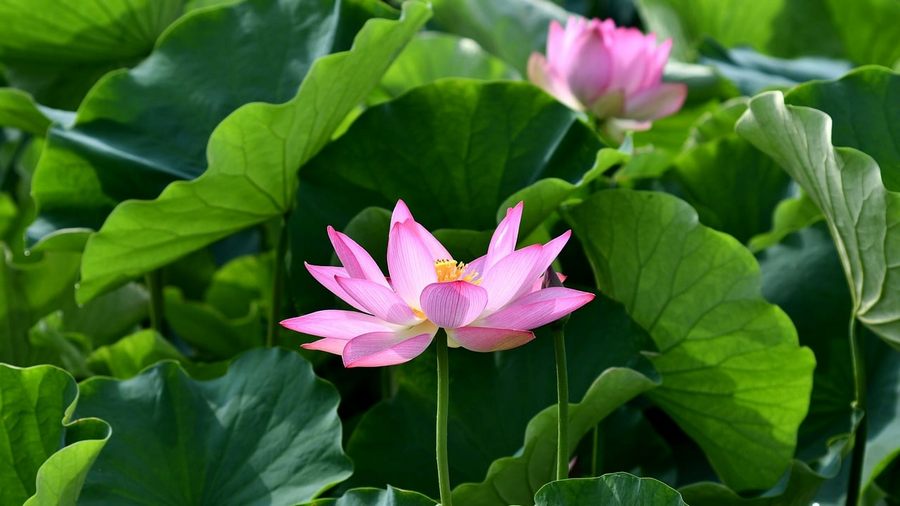
Lotus flower in a pond.

[Note: This is just the beginning and end of a longer sutta. You can read the entire sutta here.]

So I have heard. At one time the Buddha was wandering in the land of the Kosalans together with a large Saṅgha of mendicants. Then the Buddha left the road, and at a certain spot he smiled.

Then Venerable Ānanda thought, “What is the cause, what is the reason why the Buddha smiled? Realized Ones do not smile for no reason.”

So Ānanda arranged his robe over one shoulder, raised his joined palms toward the Buddha, and said, “What is the cause, what is the reason why the Buddha smiled? Realized Ones do not smile for no reason.”

“Once upon a time, Ānanda, there was a market town in this spot named Vebhaliṅga. It was successful and prosperous, populous, full of people. And Kassapa, a blessed one, a perfected one, a fully awakened Buddha, lived supported by Vebhaliṅga. It was here, in fact, that he had his monastery, where he advised the mendicant Saṅgha while seated.”

Then Ānanda spread out his outer robe folded in four and said to the Buddha, “Well then, sir, may the Blessed One sit here! Then this piece of land will have been occupied by two perfected ones, fully awakened Buddhas.” The Buddha sat on the seat spread out. When he was seated he said to Venerable Ānanda:

“Once upon a time, Ānanda, there was a market town in this spot named Vebhaliṅga. It was successful and prosperous, populous, full of people. And Kassapa, a blessed one, a perfected one, a fully awakened Buddha, lived supported by Vebhaliṅga. It was here, in fact, that he had his monastery, where he advised the mendicant Saṅgha while seated.

The Buddha Kassapa had as chief supporter in Vebhaliṅga a potter named Ghaṭīkāra. Ghaṭīkāra had a dear friend named Jotipāla, a brahmin student. Then Ghaṭīkāra addressed Jotipāla, ‘Come, dear Jotipāla, let’s go to see the Blessed One Kassapa, the perfected one, the fully awakened Buddha. For I deem it holy to see that Blessed One.’

When he said this, Jotipāla said to him, ‘Enough, dear Ghaṭīkāra. What’s the use of seeing that shaveling, that fake ascetic?’

For a second time … and a third time, Ghaṭīkāra addressed Jotipāla, ‘Come, dear Jotipāla, let’s go to see the Blessed One Kassapa, the perfected one, the fully awakened Buddha. For I deem it holy to see that Blessed One.’

For a third time, Jotipāla said to him, ‘Enough, dear Ghaṭīkāra. What’s the use of seeing that shaveling, that fake ascetic?’

‘Well then, dear Jotipāla, let’s take some bathing cleanser and go to the river to bathe.’

‘Yes, dear,’ replied Jotipāla. So that’s what they did.

Then Ghaṭīkāra addressed Jotipāla, ‘Dear Jotipāla, the Buddha Kassapa’s monastery is not far away. Let’s go to see the Blessed One Kassapa, the perfected one, the fully awakened Buddha. For I deem it holy to see that Blessed One.’

When he said this, Jotipāla said to him, ‘Enough, dear Ghaṭīkāra. What’s the use of seeing that shaveling, that fake ascetic?’

For a second time … and a third time, Ghaṭīkāra addressed Jotipāla, ‘Dear Jotipāla, the Buddha Kassapa’s monastery is not far away. Let’s go to see the Blessed One Kassapa, the perfected one, the fully awakened Buddha. For I deem it holy to see that Blessed One.’

For a third time, Jotipāla said to him, ‘Enough, dear Ghaṭīkāra. What’s the use of seeing that shaveling, that fake ascetic?’

Then Ghaṭīkāra grabbed Jotipāla by the skirt-hem and said, ‘Dear Jotipāla, the Buddha Kassapa’s monastery is not far away. Let’s go to see the Blessed One Kassapa, the perfected one, the fully awakened Buddha. For I deem it holy to see that Blessed One.’

So Jotipāla undid his skirt-hem and said to Ghaṭīkāra, ‘Enough, dear Ghaṭīkāra. What’s the use of seeing that shaveling, that fake ascetic?’

Then Ghaṭīkāra grabbed Jotipāla by the hair of his freshly-washed head and said, ‘Dear Jotipāla, the Buddha Kassapa’s monastery is not far away. Let’s go to see the Blessed One Kassapa, the perfected one, the fully awakened Buddha. For I deem it holy to see that Blessed One.’

Then Jotipāla thought, ‘Oh, how incredible, how amazing, how this potter Ghaṭīkāra, though of low birth, should presume to grab me by the hair of my freshly-washed head! This must be no ordinary matter.’ He said to Ghaṭīkāra, ‘You’d even milk it to this extent, dear Ghaṭīkāra?’

‘I even milk it to this extent, dear Jotipāla. For that is how holy I deem it to see that Blessed One.’

‘Well then, dear Ghaṭīkāra, release me, we shall go.’

Then Ghaṭīkāra the potter and Jotipāla the brahmin student went to the Buddha Kassapa. Ghaṭīkāra bowed and sat down to one side, but Jotipāla exchanged greetings with the Buddha and sat down to one side.

Ghaṭīkāra said to the Buddha Kassapa, ‘Sir, this is my dear friend Jotipāla, a brahmin student. Please teach him the Dhamma.’ Then the Buddha Kassapa educated, encouraged, fired up, and inspired Ghaṭīkāra and Jotipāla with a Dhamma talk. Then they got up from their seat, bowed, and respectfully circled the Buddha Kassapa, keeping him on their right, before leaving.

Then Jotipāla said to Ghatīkāra, ‘Dear Ghaṭīkāra, you have heard this teaching, so why don’t you go forth from the lay life to homelessness?’

‘Don’t you know, dear Jotipāla, that I look after my blind old parents?’

‘Well then, dear Ghaṭīkāra, I shall go forth from the lay life to homelessness.’

Then Ghaṭīkāra and Jotipāla went to the Buddha Kassapa, bowed and sat down to one side. Ghaṭīkāra said to the Buddha Kassapa, ‘Sir, this is my dear friend Jotipāla, a brahmin student. Please give him the going forth.’ And Jotipāla the brahmin student received the going forth, the ordination in the Buddha’s presence.…

…

…Ānanda, you might think: ‘Surely the brahmin student Jotipāla must have been someone else at that time?’ But you should not see it like this. I myself was the student Jotipāla at that time.”

That is what the Buddha said. Satisfied, Venerable Ānanda was happy with what the Buddha said.


Read the entire translation of Majjhima Nikāya 81 Ghaṭikārasutta: With Ghaṭīkāra by Bhikkhu Sujato on SuttaCentral.net. Or listen on PaliAudio.com or SC-Voice.net. Or explore the Pali on DigitalPaliReader.online.

Or read a translation in Deutsch, Русский, Slovenčina, বাংলা, हिन्दी, Bahasa Indonesia, Italiano, 日本語, မြန်မာဘာသာ, Norsk, Português, සිංහල, Slovenščina, Srpski, ไทย, Tiếng Việt, or 汉语. Learn how to find your language.
AN 8.69 Parisāsutta: Assemblies

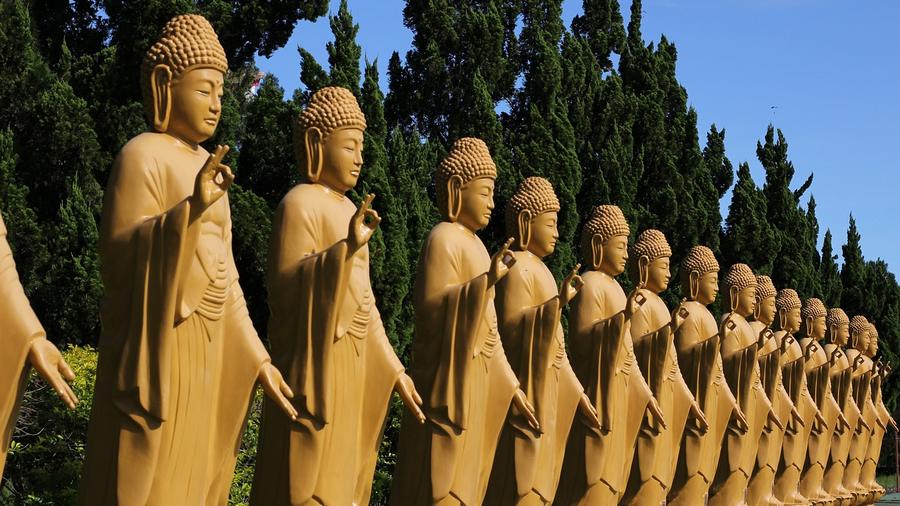
Row of standing Buddha statues.

“Mendicants, there are these eight assemblies. What eight? The assemblies of aristocrats, brahmins, householders, and ascetics. An assembly of the gods under the Four Great Kings. An assembly of the gods under the Thirty-Three. An assembly of Māras. An assembly of Brahmās.

I recall having approached an assembly of hundreds of aristocrats. There I used to sit with them, converse, and engage in discussion. And my appearance and voice became just like theirs. I educated, encouraged, fired up, and inspired them with a Dhamma talk. But when I spoke they didn’t know: ‘Who is this that speaks? Is it a god or a human?’ And when my Dhamma talk was finished I vanished. But when I vanished they didn’t know: ‘Who was that who vanished? Was it a god or a human?’

I recall having approached an assembly of hundreds of brahmins … householders … ascetics … the gods under the Four Great Kings … the gods under the Thirty-Three … Māras … Brahmās. There too I used to sit with them, converse, and engage in discussion. And my appearance and voice became just like theirs. I educated, encouraged, fired up, and inspired them with a Dhamma talk. But when I spoke they didn’t know: ‘Who is this that speaks? Is it a god or a human?’ And when my Dhamma talk was finished I vanished. But when I vanished they didn’t know: ‘Who was that who vanished? Was it a god or a human?’ These are the eight assemblies.”


Read this translation of Aṅguttara Nikāya 8.69 Parisāsutta: Assemblies by Bhikkhu Sujato on SuttaCentral.net. Or listen on SC-Voice.net. Or explore the Pali on DigitalPaliReader.online.

Or read a translation in Deutsch, বাংলা, Bahasa Indonesia, 日本語, မြန်မာဘာသာ, Русский, සිංහල, ไทย, Tiếng Việt, or 汉语. Learn how to find your language.
Ud 5.2 Appāyukasutta: Short-lived

Infant hand holding an adult finger.

So I have heard. At one time the Buddha was staying near Sāvatthī in Jeta’s Grove, Anāthapiṇḍika’s monastery. Then in the late afternoon, Venerable Ānanda came out of retreat and went to the Buddha. He bowed, sat down to one side, and said to him: “It’s incredible, sir, it’s amazing! How short-lived was the Blessed One’s mother! For seven days after the Blessed One was born, his mother passed away and was reborn in the host of Joyful Gods.”

“That’s so true, Ānanda! For the mothers of beings intent of awakening are short-lived. Seven days after the beings intent on awakening are born, their mothers pass away and are reborn in the host of Joyful Gods.”

Then, understanding this matter, on that occasion the Buddha expressed this heartfelt sentiment:

“Whether born or to be born,
all depart, leaving the body behind.
The skillful, understanding that all is lost,
would keenly practice the spiritual life.”


Read this translation of Udāna 5.2 Appāyukasutta: Short-lived by Bhikkhu Sujato on SuttaCentral.net. Or read a different translation on SuttaFriends.org, DhammaTalks.org or Ancient-Buddhist-Texts.net. Or listen on SC-Voice.net. Or explore the Pali on DigitalPaliReader.online.

Or read a translation in Deutsch, Srpski, Español, Bahasa Indonesia, Italiano, 日本語, မြန်မာဘာသာ, Nederlands, Norsk, Português, Русский, or සිංහල. Learn how to find your language.
Thag 15.2 Udāyittheragāthā: Udāyī

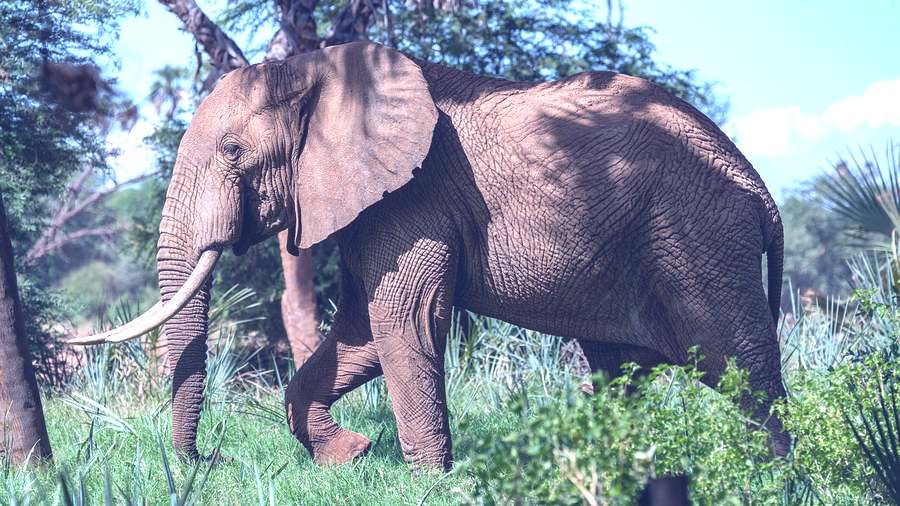
Elephant with tusks.

[Here the Arahant Udāyī praises the Supreme Buddha. Here “giant” is the translation of the word “nāga.”]

Awakened as a human being,
self-tamed and immersed in samādhi,
following the spiritual path,
he loves peace of mind.

Revered by people,
gone beyond all things,
even the gods revere him;
so I’ve heard from the perfected one.

He has transcended all fetters,
and escaped from entanglements.
Delighting to renounce sensual pleasures,
he’s freed like gold from stone.

That giant outshines all,
like the Himalaya beside other mountains.
Of all those named “giant”,
he is truly named, supreme.

I shall extol the giant for you,
for he does nothing monstrous.
Gentleness and harmlessness
are two feet of the giant.

Mindfulness and awareness
are his two other feet.
Faith is the giant’s trunk,
and equanimity his white tusks.

Mindfulness is his neck, his head is wisdom—
investigation and thinking about principles.
His belly is the sacred hearth of the Dhamma,
and his tail is seclusion.

Practicing absorption, enjoying the breath,
he is serene within.
The giant is serene when walking,
the giant is serene when standing,

the giant is serene when lying down,
and when sitting, the giant is serene.
The giant is restrained everywhere:
this is the accomplishment of the giant.

He eats blameless things,
he doesn’t eat blameworthy things.
When he gets food and clothes,
he avoids storing them up.

Having severed all bonds,
fetters large and small,
wherever he goes,
he goes without concern.

A white lotus,
fragrant and delightful,
sprouts in water and grows there,
but the water doesn’t cling to it.

Just so the Buddha is born in the world,
and lives in the world,
but the world doesn’t stick to him,
as water does not stick to the lotus.

A great blazing fire
dies down when the fuel runs out.
And when the coals have gone out
it’s said to be “extinguished”.

This simile is taught by the discerning
to express the meaning clearly.
Great giants will understand
what the giant taught the giant.

Free of greed, free of hate,
free of delusion, undefiled;
the giant, giving up his body,
undefiled, will be fully extinguished.


Read this translation of Theragāthā 15.2 Udānaāyittheragāthā: Udāyī by Bhikkhu Sujato on SuttaCentral.net. Or read a different translation on SuttaFriends.org or DhammaTalks.org. Or listen on SC-Voice.net. Or explore the Pali on DigitalPaliReader.online.

Or read a translation in Deutsch, Bahasa Indonesia, Italiano, 日本語, Norsk, සිංහල, or Tiếng Việt. Learn how to find your language.

AN 9.14 Samiddhisutta: With Samiddhi

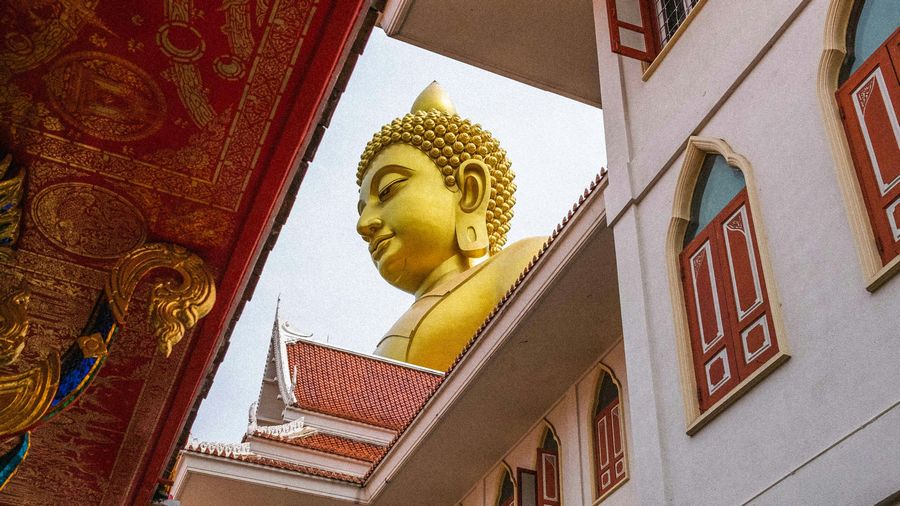
Giant Buddha statue seen through the buildings in a temple.

Then Venerable Samiddhi went up to Venerable Sāriputta, bowed, and sat to one side. Venerable Sāriputta said to him:

“Samiddhi, based on what do thoughts arise in a person?”

“Based on name and form, sir.”

“Where do they become diversified?”

“In the elements.”

“What is their origin?”

“Contact is their origin.”

“What is their meeting place?”

“Feeling is their meeting place.”

“What is their chief?”

“Immersion is their chief.”

“What is their ruler?”

“Mindfulness is their ruler.”

“What is their overseer?”

“Wisdom is their overseer.”

“What is their core?”

“Freedom is their core.”

“What is their culmination?”

“They culminate in freedom from death.”

“Samiddhi, when you were asked what is the basis on which thoughts arise in a person, you answered ‘name and form’. When you were asked … what is their culmination, you answered ‘freedom from death’. Good, good, Samiddhi! It’s good that you answered each question. But don’t get conceited because of that.”


Read this translation of Aṅguttara Nikāya 9.14 Samiddhisutta: With Samiddhi by Bhikkhu Sujato on SuttaCentral.net. Or read a different translation onDhammaTalks.org. Or listen on SC-Voice.net. Or explore the Pali on DigitalPaliReader.online.

Or read a translation in Deutsch, বাংলা, Bahasa Indonesia, 日本語, မြန်မာဘာသာ, Русский, සිංහල, ไทย, Tiếng Việt, or 汉语. Learn how to find your language.
AN 6.41 Dārukkhandhasutta: A Tree Trunk

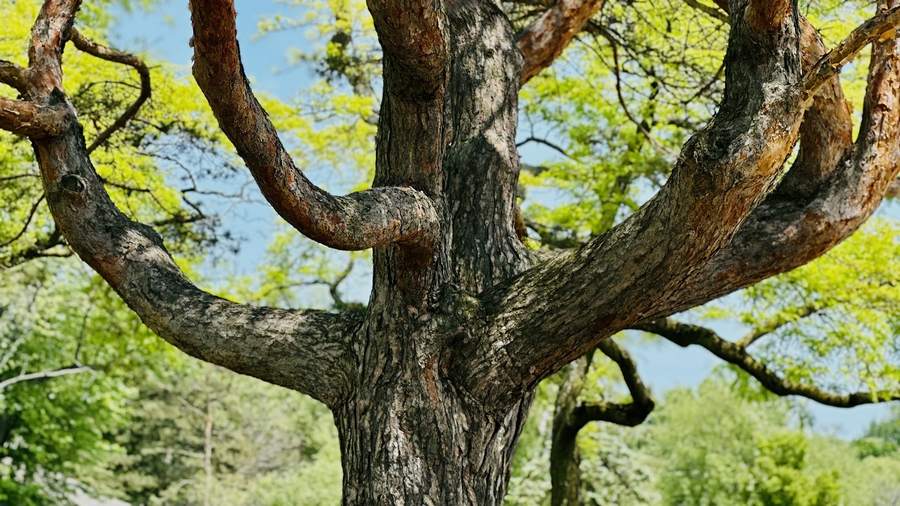
Tree trunk.

So I have heard. At one time Venerable Sāriputta was staying near Rājagaha, on the Vulture’s Peak Mountain.

Then Venerable Sāriputta robed up in the morning and, taking his bowl and robe, descended the Vulture’s Peak together with several mendicants. At a certain spot he saw a large tree trunk, and he addressed the mendicants, “Reverends, do you see this large tree trunk?”

“Yes, reverend.”

“If they wanted to, a mendicant with psychic powers who has mastered their mind could determine this tree trunk to be nothing but earth. Why is that? Because the earth element exists in the tree trunk. Relying on that a mendicant with psychic powers could determine it to be nothing but earth. If they wanted to, a mendicant with psychic powers who has mastered their mind could determine this tree trunk to be nothing but water. … Or they could determine it to be nothing but fire … Or they could determine it to be nothing but air … Or they could determine it to be nothing but beautiful … Or they could determine it to be nothing but ugly. Why is that? Because the element of ugliness exists in the tree trunk. Relying on that a mendicant with psychic powers could determine it to be nothing but ugly.”


Read this translation of Aṅguttara Nikāya 6.41 Dārukkhandhasutta: A Tree Trunk by Bhikkhu Sujato on SuttaCentral.net. Or read a different translation on DhammaTalks.org. Or listen on SC-Voice.net. Or explore the Pali on DigitalPaliReader.online.

Or read a translation in Deutsch, বাংলা, Bahasa Indonesia, Italiano, 日本語, မြန်မာဘာသာ, Português, Русский, සිංහල, ไทย, Tiếng Việt, or 汉语. Learn how to find your language.
AN 5.132 Dutiyacakkānuvattanasutta: Wielding Power (2nd)

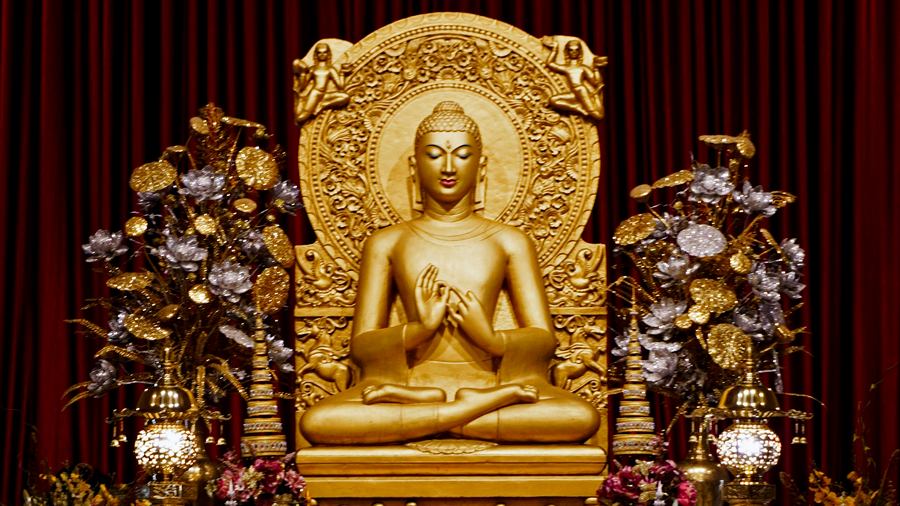
Statue of Buddha giving first sermon, Setting the Wheel of Dhamma in Motion.

“Mendicants, possessing five factors a wheel-turning monarch’s eldest son continues to wield the power set in motion by his father only in a principled manner. And this power cannot be undermined by any human enemy.

What five? A wheel-turning monarch’s oldest son knows what is right, knows principle, knows moderation, knows the right time, and knows the assembly. A wheel-turning monarch’s oldest son who possesses these five factors continues to wield the power set in motion by his father only in a principled manner. And this power cannot be undermined by any human enemy.

In the same way, possessing five qualities Sāriputta rightly keeps rolling the supreme Wheel of Dhamma that was rolled forth by the Realized One. And that wheel cannot be turned back by any ascetic or brahmin or god or Māra or Brahmā or by anyone in the world.

What five? Sāriputta knows what is right, knows principle, knows moderation, knows the right time, and knows the assembly. Possessing these five qualities Sāriputta rightly keeps rolling the supreme Wheel of Dhamma that was rolled forth by the Realized One. And that wheel cannot be turned back by any ascetic or brahmin or god or Māra or Brahmā or by anyone in the world.”


Read this translation of Aṅguttara Nikāya 5.132 Dutiyacakkānuvattanasutta: Wielding Power (2nd) by Bhikkhu Sujato on SuttaCentral.net. Or listen on SC-Voice.net. Or explore the Pali on DigitalPaliReader.online.

Or read a translation in Deutsch, বাংলা, Español, Bahasa Indonesia, 日本語, မြန်မာဘာသာ, Русский, සිංහල, ไทย, Tiếng Việt, or 汉语. Learn how to find your language.
AN 3.130 Dutiyaanuruddhasutta: With Anuruddha (2nd)

Sunrise over earth.

Then Venerable Anuruddha went up to Venerable Sāriputta, and exchanged greetings with him. When the greetings and polite conversation were over, he sat down to one side and said to him:

“Here’s the thing, Reverend Sāriputta. With clairvoyance that is purified and surpasses the human, I survey the thousandfold galaxy. My energy is roused up and unflagging, my mindfulness is established and lucid, my body is tranquil and undisturbed, and my mind is immersed in samādhi. But my mind is not freed from the defilements by not grasping.”

“Well, Reverend Anuruddha, when you say: ‘With clairvoyance that is purified and surpasses the human, I survey the entire galaxy,’ that’s your conceit. And when you say: ‘My energy is roused up and unflagging, my mindfulness is established and lucid, my body is tranquil and undisturbed, and my mind is immersed in samādhi,’ that’s your restlessness. And when you say: ‘But my mind is not freed from the defilements by not grasping,’ that’s your remorse. It would be good to give up these three things. Ignore them and apply your mind to freedom from death.”

After some time Anuruddha gave up these three things. Ignoring them, he applied his mind to freedom from death. Then Anuruddha, living alone, withdrawn, diligent, keen, and resolute, soon realized the supreme culmination of the spiritual path in this very life. He lived having achieved with his own insight the goal for which gentlemen rightly go forth from the lay life to homelessness.

He understood: “Rebirth is ended; the spiritual journey has been completed; what had to be done has been done; there is no return to any state of existence.” And Venerable Anuruddha became one of the perfected.


Read this translation of Aṅguttara Nikāya 3.130 Dutiyaanuruddhasutta: With Anuruddha (2nd) by Bhikkhu Sujato on SuttaCentral.net. Or listen on PaliAudio.com or SC-Voice.net. Or explore the Pali on DigitalPaliReader.online.

Or read a translation in Deutsch, বাংলা, Español, Français, Bahasa Indonesia, Italiano, 日本語, မြန်မာဘာသာ, Русский, සිංහල, ไทย, Tiếng Việt, or 汉语. Learn how to find your language.
AN 7.41 Dutiyavasasutta: Mastery of the Mind (2nd)

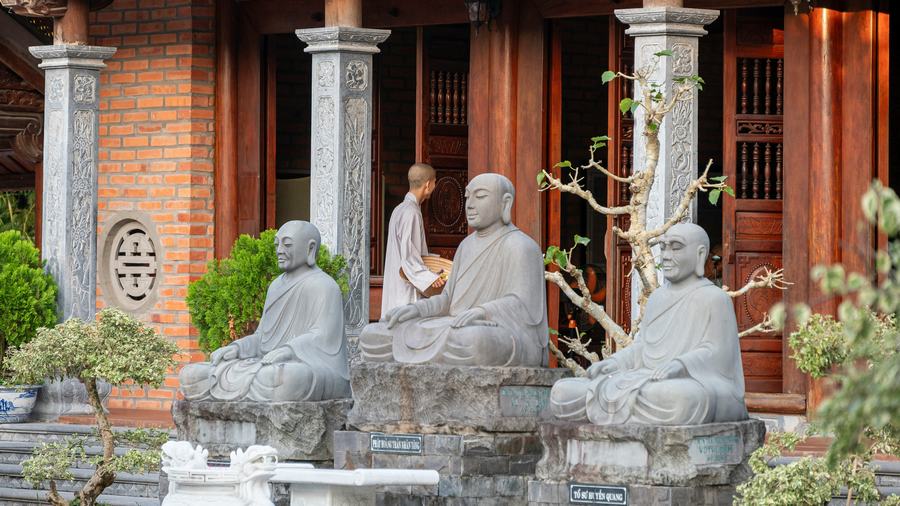
Three statues of Buddhist monastics outside a temple.

[Note: “Immersion” is the translation of “samādhi”. This is often rendered as “concentration” or “one-pointedness of mind.”]

“Mendicants, having seven qualities Sāriputta has mastered his mind and is not mastered by it. What seven? Sāriputta is skilled at immersion, skilled in entering immersion, skilled in remaining in immersion, skilled in emerging from immersion, skilled in gladdening the mind for immersion, skilled in the meditation subjects for immersion, and skilled in projecting the mind purified by immersion. Having these seven qualities Sāriputta has mastered his mind and is not mastered by it.”


Read this translation of Aṅguttara Nikāya 7.41 Dutiyavasasutta: Mastery of the Mind (2nd) by Bhikkhu Sujato on SuttaCentral.net. Or read a different translation on SuttaCentral.net. Or listen on SC-Voice.net. Or explore the Pali on DigitalPaliReader.online.

Or read a translation in Deutsch, বাংলা, Bahasa Indonesia, 日本語, မြန်မာဘာသာ, Русский, සිංහල, ไทย, Tiếng Việt, or 汉语. Learn how to find your language.

SN 48.44 Pubbakoṭṭhakasutta: At the Eastern Gate

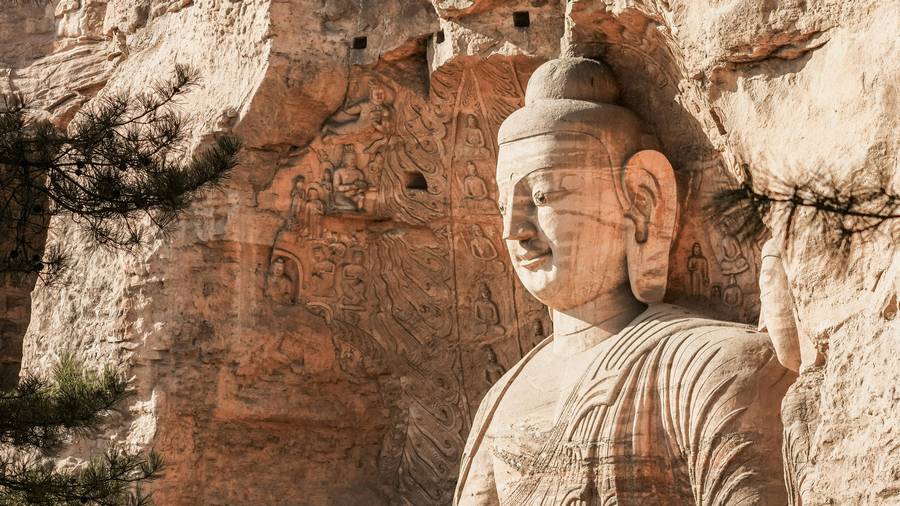
Giant Buddha statue cut into a rock face.

So I have heard. At one time the Buddha was staying in Sāvatthī at the eastern gate. Then the Buddha said to Venerable Sāriputta:

“Sāriputta, do you have faith that the faculties of faith, energy, mindfulness, immersion, and wisdom, when developed and cultivated, culminate, finish, and end in freedom from death?”

“Sir, in this case I don’t rely on faith in the Buddha’s claim that the faculties of faith, energy, mindfulness, immersion, and wisdom, when developed and cultivated, culminate, finish, and end in freedom from death. There are those who have not known or seen or understood or realized or experienced this with wisdom. They may rely on faith in this matter. But there are those who have known, seen, understood, realized, and experienced this with wisdom. They have no doubts or uncertainties in this matter. I have known, seen, understood, realized, and experienced this with wisdom. I have no doubts or uncertainties that the faculties of faith, energy, mindfulness, immersion, and wisdom, when developed and cultivated, culminate, finish, and end in freedom from death.”

“Good, good, Sāriputta! There are those who have not known or seen or understood or realized or experienced this with wisdom. They may rely on faith in this matter. But there are those who have known, seen, understood, realized, and experienced this with wisdom. They have no doubts or uncertainties that the faculties of faith, energy, mindfulness, immersion, and wisdom, when developed and cultivated, culminate, finish, and end in freedom from death.”


Read this translation of Saṁyutta Nikāya 48.44 Pubbakoṭṭhakasutta: At the Eastern Gate by Bhikkhu Sujato on SuttaCentral.net.

SN 14.15 Caṅkamasutta: Walking Together

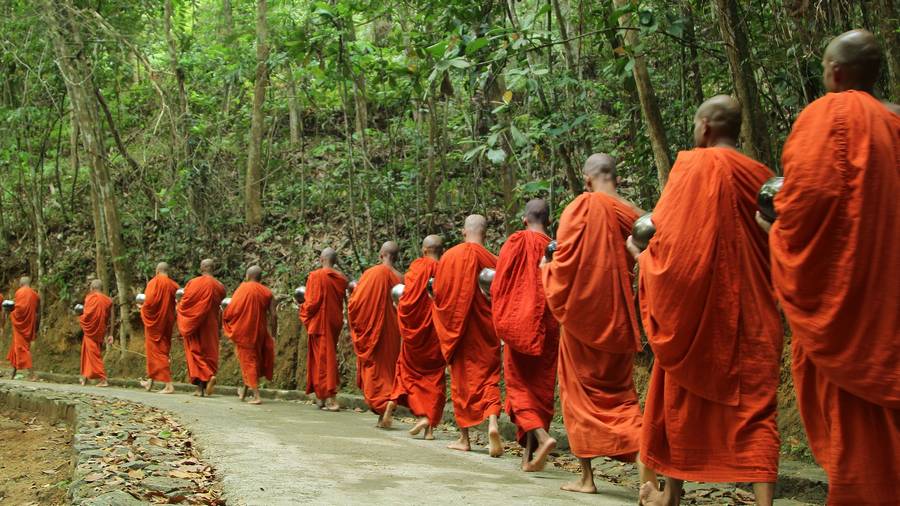
Long line of monks walking through the forest.

At one time the Buddha was staying near Rājagaha, on the Vulture’s Peak Mountain. Now at that time Venerable Sāriputta was walking together with several mendicants not far from the Buddha. Venerable Mahāmoggallāna was doing likewise, as were Venerable Mahākassapa, Venerable Anuruddha, Venerable Puṇṇa son of Mantāṇī, Venerable Upāli, Venerable Ānanda, and Devadatta.

Then the Buddha said to the mendicants, “Mendicants, do you see Sāriputta walking together with several mendicants?”

“Yes, sir.”

“All of those mendicants have great wisdom. Do you see Moggallāna walking together with several mendicants?”

“Yes, sir.”

“All of those mendicants have great psychic power. Do you see Kassapa walking together with several mendicants?”

“Yes, sir.”

“All of those mendicants advocate austerities. Do you see Anuruddha walking together with several mendicants?”

“Yes, sir.”

“All of those mendicants have clairvoyance. Do you see Puṇṇa son of Mantāṇī walking together with several mendicants?”

“Yes, sir.”

“All of those mendicants are Dhamma speakers. Do you see Upāli walking together with several mendicants?”

“Yes, sir.”

“All of those mendicants are experts in monastic law. Do you see Ānanda walking together with several mendicants?”

“Yes, sir.”

“All of those mendicants are very learned. Do you see Devadatta walking together with several mendicants?”

“Yes, sir.”

“All of those mendicants have corrupt wishes.

Sentient beings come together and converge because of an element. Those who have bad convictions come together and converge with those who have bad convictions. Those who have good convictions come together and converge with those who have good convictions.

In the past, in the future, and also in the present, sentient beings come together and converge because of an element. Those who have bad convictions come together and converge with those who have bad convictions. Those who have good convictions come together and converge with those who have good convictions.”


Read this translation of Saṁyutta Nikāya 14.15 Caṅkamasutta: Walking Together by Bhikkhu Sujato on SuttaCentral.net. Or listen on PaliAudio.com or SC-Voice.net. Or explore the Pali on DigitalPaliReader.online.

Or read a translation in Deutsch, বাংলা, Bahasa Indonesia, 日本語, မြန်မာဘာသာ, Norsk, Русский, සිංහල, ไทย, Tiếng Việt, or 汉语. Learn how to find your language.
SN 21.3 Ghaṭasutta: The Barrel

Himalayas.

Thus have I heard. On one occasion the Blessed One was dwelling at Savatthi in Jeta’s Grove, Anathapiṇḍika’s Park. Now on that occasion the Venerable Sāriputta and the Venerable Mahamoggallana were dwelling at Rajagaha in a single dwelling in the Bamboo Grove, the Squirrel Sanctuary. Then, in the evening, the Venerable Sāriputta emerged from seclusion and approached the Venerable Mahamoggallana. He exchanged greetings with the Venerable Mahamoggallana and, when they had concluded their greetings and cordial talk, he sat down to one side and said to him:

“Friend Moggallana, your faculties are serene, your facial complexion is pure and bright. Has the Venerable Mahamoggallana spent the day in a peaceful dwelling?”

“I spent the day in a gross dwelling, friend, but I did have some Dhamma talk.”

“With whom did the Venerable Mahamoggallana have some Dhamma talk?”

“I had some Dhamma talk with the Blessed One, friend.”

“But the Blessed One is far away, friend. He is now dwelling at Savatthi in Jeta’s Grove, Anathapiṇḍika’s Park. Did the Venerable Mahamoggallana approach the Blessed One by means of spiritual power, or did the Blessed One approach the Venerable Mahamoggallana by means of spiritual power?”

“I didn’t approach the Blessed One by means of spiritual power, friend, nor did the Blessed One approach me by means of spiritual power. Rather, the Blessed One cleared his divine eye and divine ear element to communicate with me, and I cleared my divine eye and divine ear element to communicate with the Blessed One.”

“What kind of Dhamma talk did the Venerable Mahamoggallana have with the Blessed One?”

“Here, friend, I said to the Blessed One: ‘Venerable sir, it is said, “one with energy aroused, one with energy aroused.” In what way, venerable sir, does one have energy aroused?’ The Blessed One then said to me: ‘Here, Moggallana, a bhikkhu with energy aroused dwells thus: “Willingly, let only my skin, sinews, and bones remain, and let the flesh and blood dry up in my body, but I will not relax my energy so long as I have not attained what can be attained by manly strength, by manly energy, by manly exertion.” It is in such a way, Moggallana, that one has aroused energy.’ Such, friend, is the Dhamma talk that I had with the Blessed One.”

“Friend, compared to the Venerable Mahamoggallana we are like a few grains of gravel compared to the Himalayas, the king of mountains. For the Venerable Mahamoggallana is of such great spiritual power and might that if so he wished he could live on for an aeon.”

“Friend, compared to the Venerable Sāriputta we are like a few grains of salt compared to a barrel of salt. For the Venerable Sāriputta has been extolled, lauded, and praised in many ways by the Blessed One:

“‘As Sāriputta is supreme
In wisdom, virtue, and peace,
So a bhikkhu who has gone beyond
At best can only equal him.’”

In this manner both these great nagas rejoiced in what was well stated and well declared by the other.


Read this translation of Saṁyutta Nikāya 21.3 Ghaṭasutta: The Barrel by Bhikkhu Bodhi on SuttaCentral.net. Or read a different translation on SuttaCentral.net or DhammaTalks.org. Or listen on PaliAudio.com or SC-Voice.net. Or explore the Pali on DigitalPaliReader.online.

Or read a translation in Deutsch, বাংলা, Bahasa Indonesia, 日本語, မြန်မာဘာသာ, Norsk, Русский, සිංහල, ไทย, Tiếng Việt, or 汉语. Learn how to find your language.
SN 47.13 Cundasutta: With Cunda

Snapped tree branch.

At one time the Buddha was staying near Sāvatthī in Jeta’s Grove, Anāthapiṇḍika’s monastery. At that time Venerable Sāriputta was staying in the Magadhan lands near the little village of Nālaka, and he was sick, suffering, gravely ill. And the novice Cunda was his carer.

Then Venerable Sāriputta became fully extinguished because of that sickness. Then Cunda took Sāriputta’s bowl and robes and set out for Sāvatthī. He went to see Venerable Ānanda at Jeta’s grove, Anāthapiṇḍika’s monastery, bowed, sat down to one side, and said to him:

“Sir, Venerable Sāriputta has become fully extinguished. This is his bowl and robe.”

“Reverend Cunda, we should see the Buddha about this matter. Come, let’s go to the Buddha and inform him about this.”

“Yes, sir,” replied Cunda.

Then Ānanda and Cunda went to the Buddha, bowed, sat down to one side, and said to him:

“Sir, this novice Cunda says that Venerable Sāriputta has become fully extinguished. This is his bowl and robe. Since I heard this, my body feels like it’s drugged. I’m disorientated, and the teachings don’t spring to mind.”

“Well, Ānanda, when Sāriputta became fully extinguished, did he take away your entire spectrum of ethical conduct, of immersion, of wisdom, of freedom, or of the knowledge and vision of freedom?”

“No, sir, he did not. But Venerable Sāriputta was my adviser and counselor. He educated, encouraged, fired up, and inspired me. He never tired of teaching the Dhamma, and he supported his spiritual companions. I remember the nectar of the teaching, the riches of the teaching, the support of the teaching given by Venerable Sāriputta.”

“Ānanda, did I not prepare for this when I explained that we must be parted and separated from all we hold dear and beloved? How could it possibly be so that what is born, created, conditioned, and liable to wear out should not wear out? That is not possible.

Suppose there was a large tree standing with heartwood, and the largest branch fell off. In the same way, in the great Saṅgha that stands with heartwood, Sāriputta has become fully extinguished.

How could it possibly be so that what is born, created, conditioned, and liable to wear out should not wear out? That is not possible.

So Ānanda, live as your own island, your own refuge, with no other refuge. Let the teaching be your island and your refuge, with no other refuge.

And how does a mendicant do this? It’s when a mendicant meditates by observing an aspect of the body—keen, aware, and mindful, rid of covetousness and displeasure for the world. They meditate observing an aspect of feelings … mind … principles—keen, aware, and mindful, rid of covetousness and displeasure for the world.

That’s how a mendicant lives as their own island, their own refuge, with no other refuge. That’s how the teaching is their island and their refuge, with no other refuge.

Whether now or after I have passed, any who shall live as their own island, their own refuge, with no other refuge; with the teaching as their island and their refuge, with no other refuge—those mendicants of mine who want to train shall be among the best of the best.”


For a similar sutta, see SN 47. 14.

Read this translation of Saṁyutta Nikāya 47.13 Cundasutta: With Cunda by Bhikkhu Sujato on SuttaCentral.net. Or read a different translation on SuttaCentral.net, DhammaTalks.org or AccessToInsight.org. Or listen on SC-Voice.net. Or explore the Pali on DigitalPaliReader.online.

Or read a translation in Deutsch, বাংলা, Čeština, Español, Bahasa Indonesia, Italiano, 日本語, မြန်မာဘာသာ, Norsk, Português, Русский, සිංහල, ไทย, Tiếng Việt, or 汉语. Learn how to find your language.
SN 2.29 Susimasutta: With Susīma

Rainbow colors in the sky.

At Sāvatthī.

Then Venerable Ānanda went up to the Buddha, bowed, and sat down to one side. The Buddha said to him, “Ānanda, do you endorse Sāriputta?”

“Sir, who on earth would not endorse Venerable Sāriputta unless they’re a fool, a hater, delusional, or mentally deranged? Venerable Sāriputta is astute, he has great wisdom, widespread wisdom, laughing wisdom, swift wisdom, sharp wisdom, and penetrating wisdom. He has few wishes, he’s content, secluded, aloof, and energetic. He gives advice and accepts advice; he accuses and criticizes wickedness. Who on earth would not endorse Venerable Sāriputta unless they’re a fool, a hater, delusional, or mentally deranged?”

“That’s so true, Ānanda! That’s so true! Who on earth would not endorse Venerable Sāriputta unless they’re a fool, a hater, delusional, or mentally deranged?” And the Buddha repeated all of Ānanda’s terms of praise.

While this praise of Sāriputta was being spoken, the god Susīma approached the Buddha, escorted by a large assembly of gods. He bowed, stood to one side, and said to him:

“That’s so true, Blessed One! That’s so true, Holy One! Who on earth would not endorse Venerable Sāriputta unless they’re a fool, a hater, delusional, or mentally deranged?” And he too repeated all the terms of praise of Sāriputta, adding, “For I too, sir, whenever I go to an assembly of gods, frequently hear the same terms of praise.”

While this praise of Sāriputta was being spoken, the gods of Susīma’s assembly—uplifted and overjoyed, full of rapture and happiness—generated a rainbow of bright colors.

Suppose there was a beryl gem that was naturally beautiful, eight-faceted, well-worked. When placed on a cream rug it would shine and glow and radiate. In the same way, the gods of Susīma’s assembly generated a rainbow of bright colors.

Suppose there was a pendant of river gold, fashioned by a deft smith, well wrought in the forge. When placed on a cream rug it would shine and glow and radiate. In the same way, the gods of Susīma’s assembly generated a rainbow of bright colors.

Suppose that after the rainy season the sky was clear and cloudless. At the crack of dawn, the Morning Star shines and glows and radiates. In the same way, the gods of Susīma’s assembly generated a rainbow of bright colors.

Suppose that after the rainy season the sky was clear and cloudless. As the sun rises, it would dispel all the darkness from the sky as it shines and glows and radiates. In the same way, the gods of Susīma’s assembly generated a rainbow of bright colors.

Then the god Susīma recited this verse about Venerable Sāriputta in the Buddha’s presence:

“He’s considered astute,
Sāriputta, free of anger.
Few in wishes, sweet, tamed,
the seer shines in the Teacher’s praise!”

Then the Buddha replied to Susīma with this verse about Venerable Sāriputta:

“He’s considered astute,
Sāriputta, free of anger.
Few in wishes, sweet, tamed;
developed and well-tamed, he bides his time.”


Read this translation of Saṁyutta Nikāya 2.29 Susimasutta: With Susīma by Bhikkhu Sujato on SuttaCentral.net. Or listen on PaliAudio.com or SC-Voice.net. Or explore the Pali on DigitalPaliReader.online.

Or read a translation in Deutsch, Português, বাংলা, Català, Español, Bahasa Indonesia, Italiano, 日本語, မြန်မာဘာသာ, Norsk, Русский, සිංහල, ไทย, Tiếng Việt, or 汉语. Learn how to find your language.

SN 2.20 Anāthapiṇḍikasutta: With Anāthapiṇḍika

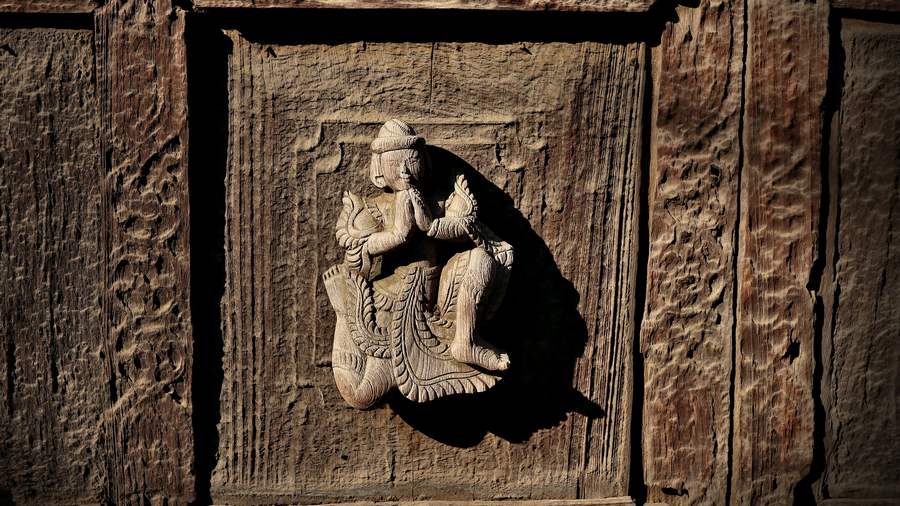
Deva carving on a wooden door.

Standing to one side, the god Anāthapiṇḍika recited these verses in the Buddha’s presence:

“This is indeed that Jeta’s Grove,
frequented by the Saṅgha of seers,
where the King of Dhamma stayed:
it brings me joy!

Deeds, knowledge, and principle;
ethical conduct, an excellent livelihood;
by these are mortals purified,
not by clan or wealth.

That’s why an astute person,
seeing what’s good for themselves,
would examine the teaching rationally,
and thus be purified in it.

Sāriputta is full of wisdom,
ethics, and peace.
Even a mendicant who has crossed over
might at best equal him.”

This is what the god Anāthapiṇḍika said. Then he bowed and respectfully circled the Buddha, keeping him on his right side, before vanishing right there.

Then, when the night had passed, the Buddha addressed the mendicants: “Mendicants, tonight, a certain glorious god, lighting up the entire Jeta’s Grove, came to me, bowed, stood to one side, and recited these verses in my presence.” The Buddha then repeated the verses in full.

When he said this, Venerable Ānanda said to the Buddha, “Sir, that god must surely have been Anāthapiṇḍika. For the householder Anāthapiṇḍika was devoted to Venerable Sāriputta.”

“Good, good, Ānanda. You’ve reached the logical conclusion, as far as logic goes. For that was indeed the god Anāthapiṇḍika.”


Note: This event is also recounted at the end of MN 143 Anāthapiṇḍikovāda Sutta.

Read this translation of Saṁyutta Nikāya 2.20 Anāthapiṇḍikasutta: With Anāthapiṇḍika by Bhikkhu Sujato on SuttaCentral.net. Or listen on PaliAudio.com or SC-Voice.net. Or explore the Pali on DigitalPaliReader.online.

Or read a translation in Deutsch, Português, বাংলা, Català, Español, Bahasa Indonesia, Italiano, 日本語, မြန်မာဘာသာ, Norsk, Русский, සිංහල, ไทย, Tiếng Việt, or 汉语. Learn how to find your language.

Thag 17.2 From… Sāriputtattheragāthā: Sāriputta—Part 3

Falling leaves.

“Calm and still,
thoughtful in counsel, not restless—
he shakes off bad qualities
as the wind shakes leaves off a tree.

Calm and still,
thoughtful in counsel, not restless—
he plucks off bad qualities
as the wind plucks leaves off a tree.

Calm and free of despair,
clear and unclouded,
of good morals, intelligent:
one would make an end of suffering.”

“Some householders, and even some renunciants,
are not to be trusted.
Some who were good later become bad;
while some who were bad become good.”

“Sensual desire, ill will,
dullness and drowsiness,
restlessness, and doubt:
these are the five mental stains for a monk.”

“Whether they’re honored
or not honored, or both,
their immersion doesn’t waver
as they live diligently.

They persistently practice absorption
with subtle view and discernment.
Rejoicing in the ending of grasping,
they’re said to be a true person.”

“The oceans and the earth,
the mountains and the wind—
none of these can compare
with the Teacher’s magnificent liberation.”

“The senior monk who keeps the wheel rolling,
he is very wise and serene.
Like earth, like water, like fire,
he is neither attracted nor repelled.

He has attained the perfection of wisdom,
so intelligent and thoughtful.
He is bright, but seems to be dull;
he always wanders, quenched.”

“I’ve served the teacher
and fulfilled the Buddha’s instructions.
The heavy burden is laid down,
the conduit to rebirth is eradicated.”

“Persist with diligence:
this is my instruction.
Come, I’ll be fully extinguished—
I am everywhere free.”


Read the entire translation of Theragāthā 17.2 Sāriputtattheragāthā: Sāriputta by Bhikkhu Sujato on SuttaCentral.net. Or read a different translation on SuttaFriends.org or DhammaTalks.org. Or listen on SC-Voice.net. Or explore the Pali on DigitalPaliReader.online.

Or read a translation in Deutsch, Bahasa Indonesia, Italiano, 日本語, Norsk, සිංහල, or Tiếng Việt. Learn how to find your language.

AN 8.28 Dutiyabalasutta: Powers (2nd)

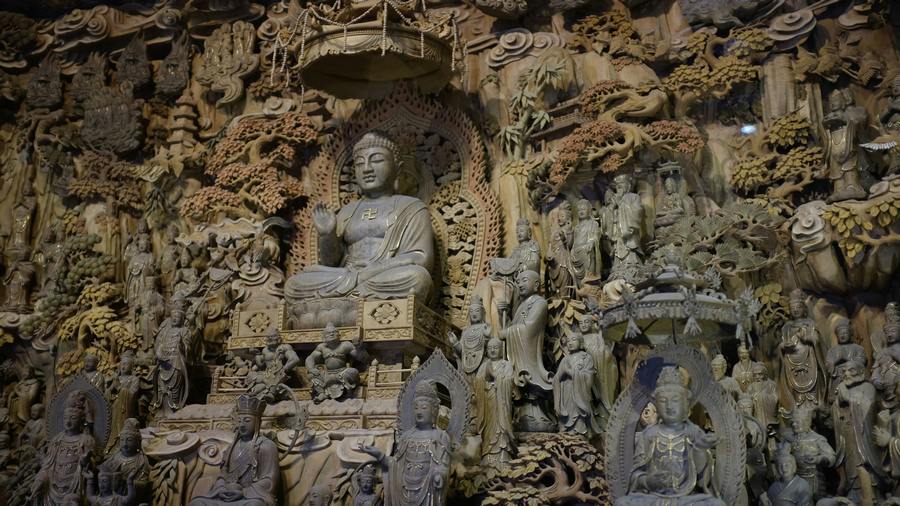
An elaborately carved wall with numerous Buddhas and Arahants.

Then Venerable Sāriputta went up to the Buddha, bowed, and sat down to one side. The Buddha said to him:

“Sāriputta, how many powers does a mendicant who has ended the defilements have that qualify them to claim: ‘My defilements have ended’?”

“Sir, a mendicant who has ended the defilements has eight powers that qualify them to claim: ‘My defilements have ended.’

What eight? Firstly, a mendicant with defilements ended has clearly seen with right wisdom all conditions as truly impermanent. This is a power that a mendicant who has ended the defilements relies on to claim: ‘My defilements have ended.’

Furthermore, a mendicant with defilements ended has clearly seen with right wisdom that sensual pleasures are truly like a pit of glowing coals. This is a power that a mendicant who has ended the defilements relies on to claim: ‘My defilements have ended.’

Furthermore, the mind of a mendicant with defilements ended slants, slopes, and inclines to seclusion. They’re withdrawn, loving renunciation, and they’ve totally done with defiling influences. This is a power that a mendicant who has ended the defilements relies on to claim: ‘My defilements have ended.’

Furthermore, a mendicant with defilements ended has well developed the four kinds of mindfulness meditation. This is a power that a mendicant who has ended the defilements relies on to claim: ‘My defilements have ended.’

Furthermore, a mendicant with defilements ended has well developed the four bases of psychic power … the five faculties … the seven awakening factors … the noble eightfold path. This is a power that a mendicant who has ended the defilements relies on to claim: ‘My defilements have ended.’

A mendicant who has ended the defilements has these eight powers that qualify them to claim: ‘My defilements have ended.’”


Read this translation of Aṅguttara Nikāya 8.28 Dutiyabalasutta: Powers (2nd) by Bhikkhu Sujato on SuttaCentral.net. Or read a different translation on SuttaCentral.net or DhammaTalks.org. Or listen on SC-Voice.net. Or explore the Pali on DigitalPaliReader.online.

Or read a translation in Deutsch, বাংলা, Español, Bahasa Indonesia, 日本語, မြန်မာဘာသာ, Português, Русский, සිංහල, ไทย, Tiếng Việt, or 汉语. Learn how to find your language.
Thag 17.2 From… Sāriputtattheragāthā: Sāriputta—Part 2

A cloud on a rocky mountain.

“Whether in the village or the wilderness,
in a valley or the uplands,
wherever the perfected ones live
is a delightful place.”

“The wilderness is so lovely!
Though most people don’t like it,
those free of greed are happy there,
as they don’t seek sensual pleasures.”

“Regard one who sees your faults
as a guide to a hidden treasure.
Stay close to one so wise and astute
who corrects you when you need it.
Sticking close to such an impartial person,
things get better, not worse.”

“Advise and instruct;
curb wickedness:
for you shall be loved by the good,
and disliked by the bad.”

“The Blessed One, the Buddha, the seer
was teaching Dhamma to another.
As he taught the Dhamma,
I lent an ear to get the meaning.

My listening wasn’t wasted:
I’m freed, without defilements.”

“Not for knowledge of past lives,
nor even for clairvoyance;
not for psychic powers, or reading the minds of others,
nor for knowing people’s passing away and being reborn;
not for purifying the power of clairaudience,
did I have any wish.”

“His only shelter is the foot of a tree;
shaven, wrapped in his outer robe,
the senior monk foremost in wisdom,
Upatissa himself practices absorption.

When in a meditation free of placing the mind,
a disciple of the Buddha
is at that moment blessed
with noble silence.

As a rocky mountain
is unwavering and well grounded,
so when delusion ends,
a monk, like a mountain, doesn’t tremble.

“To the man who has not a blemish,
who is always seeking purity,
even a hair-tip of evil
seems as big as a cloud.”

“I don’t long for death;
I don’t long for life;
I will lay down this body,
aware and mindful.

I don’t long for death;
I don’t long for life;
I await my time,
like a worker waiting for their wages.”

“Both what came before and what follows after
are nothing but death, not freedom from death.
Practice, don’t perish—
don’t let the moment pass you by.

Just like a frontier city,
is guarded inside and out,
so you should ward yourselves—
don’t let the moment pass you by.
For if you miss your moment
you’ll grieve when sent to hell.”


Read the entire translation of Theragāthā 17.2 Sāriputtattheragāthā: Sāriputta by Bhikkhu Sujato on SuttaCentral.net. Or read a different translation on SuttaFriends.org or DhammaTalks.org. Or listen on SC-Voice.net. Or explore the Pali on DigitalPaliReader.online.

Or read a translation in Deutsch, Bahasa Indonesia, Italiano, 日本語, Norsk, සිංහල, or Tiếng Việt. Learn how to find your language.

MN 111 Anupadasutta: One by One

Milky Way galaxy viewed over a bright horizon.

[Note: Today’s sutta is much longer and a bit more technical than usual, but it’s one of the few detailed accounts of the process leading to enlightenment by a disciple. It recounts all of the stages of meditation that Ven. Sāriputta went through on his way to become an arahant.]

So I have heard. At one time the Buddha was staying near Sāvatthī in Jeta’s Grove, Anāthapiṇḍika’s monastery. There the Buddha addressed the mendicants, “Mendicants!”

“Venerable sir,” they replied. The Buddha said this:

“Sāriputta is astute, mendicants. He has great wisdom, widespread wisdom, laughing wisdom, swift wisdom, sharp wisdom, and penetrating wisdom. For a fortnight he practiced discernment of phenomena one by one. And this is how he did it.

Quite secluded from sensual pleasures, secluded from unskillful qualities, he entered and remained in the first absorption, which has the rapture and bliss born of seclusion, while placing the mind and keeping it connected. And he distinguished the phenomena in the first absorption one by one: placing and keeping and rapture and bliss and unification of mind; contact, feeling, perception, intention, mind, enthusiasm, decision, energy, mindfulness, equanimity, and application of mind. He knew those phenomena as they arose, as they remained, and as they went away. He understood: ‘So it seems that these phenomena, not having been, come to be; and having come to be, they flit away.’ And he meditated without attraction or repulsion for those phenomena; independent, untied, liberated, detached, his mind free of limits. He understood: ‘There is an escape beyond.’ And by repeated practice he knew for sure that there is.

Furthermore, as the placing of the mind and keeping it connected were stilled, he entered and remained in the second absorption, which has the rapture and bliss born of immersion, with internal clarity and mind at one, without placing the mind and keeping it connected.

And he distinguished the phenomena in the second absorption one by one: internal confidence and rapture and bliss and unification of mind; contact, feeling, perception, intention, mind, enthusiasm, decision, energy, mindfulness, equanimity, and application of mind. He knew those phenomena as they arose, as they remained, and as they went away. He understood: ‘So it seems that these phenomena, not having been, come to be; and having come to be, they flit away.’ And he meditated without attraction or repulsion for those phenomena; independent, untied, liberated, detached, his mind free of limits. He understood: ‘There is an escape beyond.’ And by repeated practice he knew for sure that there is.

Furthermore, with the fading away of rapture, he entered and remained in the third absorption, where he meditated with equanimity, mindful and aware, personally experiencing the bliss of which the noble ones declare, ‘Equanimous and mindful, one meditates in bliss.’

And he distinguished the phenomena in the third absorption one by one: bliss and mindfulness and awareness and unification of mind; contact, feeling, perception, intention, mind, enthusiasm, decision, energy, mindfulness, equanimity, and application of mind. He knew those phenomena as they arose, as they remained, and as they went away. He understood: ‘So it seems that these phenomena, not having been, come to be; and having come to be, they flit away.’ And he meditated without attraction or repulsion for those phenomena; independent, untied, liberated, detached, his mind free of limits. He understood: ‘There is an escape beyond.’ And by repeated practice he knew for sure that there is.

Furthermore, with the giving up of pleasure and pain, and the ending of former happiness and sadness, he entered and remained in the fourth absorption, without pleasure or pain, with pure equanimity and mindfulness.

And he distinguished the phenomena in the fourth absorption one by one: equanimity and neutral feeling and mental unconcern due to tranquility and pure mindfulness and unification of mind; contact, feeling, perception, intention, mind, enthusiasm, decision, energy, mindfulness, equanimity, and application of mind. He knew those phenomena as they arose, as they remained, and as they went away. He understood: ‘So it seems that these phenomena, not having been, come to be; and having come to be, they flit away.’ And he meditated without attraction or repulsion for those phenomena; independent, untied, liberated, detached, his mind free of limits. He understood: ‘There is an escape beyond.’ And by repeated practice he knew for sure that there is.

Furthermore, going totally beyond perceptions of form, with the ending of perceptions of impingement, not focusing on perceptions of diversity, aware that ‘space is infinite’, he entered and remained in the dimension of infinite space.

And he distinguished the phenomena in the dimension of infinite space one by one: the perception of the dimension of infinite space and unification of mind; contact, feeling, perception, intention, mind, enthusiasm, decision, energy, mindfulness, equanimity, and application of mind. He knew those phenomena as they arose, as they remained, and as they went away. He understood: ‘So it seems that these phenomena, not having been, come to be; and having come to be, they flit away.’ And he meditated without attraction or repulsion for those phenomena; independent, untied, liberated, detached, his mind free of limits. He understood: ‘There is an escape beyond.’ And by repeated practice he knew for sure that there is.

Furthermore, going totally beyond the dimension of infinite space, aware that ‘consciousness is infinite’, he entered and remained in the dimension of infinite consciousness.

And he distinguished the phenomena in the dimension of infinite consciousness one by one: the perception of the dimension of infinite consciousness and unification of mind; contact, feeling, perception, intention, mind, enthusiasm, decision, energy, mindfulness, equanimity, and application of mind. He knew those phenomena as they arose, as they remained, and as they went away. He understood: ‘So it seems that these phenomena, not having been, come to be; and having come to be, they flit away.’ And he meditated without attraction or repulsion for those phenomena; independent, untied, liberated, detached, his mind free of limits. He understood: ‘There is an escape beyond.’ And by repeated practice he knew for sure that there is.

Furthermore, going totally beyond the dimension of infinite consciousness, aware that ‘there is nothing at all’, he entered and remained in the dimension of nothingness.

And he distinguished the phenomena in the dimension of nothingness one by one: the perception of the dimension of nothingness and unification of mind; contact, feeling, perception, intention, mind, enthusiasm, decision, energy, mindfulness, equanimity, and application of mind. He knew those phenomena as they arose, as they remained, and as they went away. He understood: ‘So it seems that these phenomena, not having been, come to be; and having come to be, they flit away.’ And he meditated without attraction or repulsion for those phenomena; independent, untied, liberated, detached, his mind free of limits. He understood: ‘There is an escape beyond.’ And by repeated practice he knew for sure that there is.

Furthermore, going totally beyond the dimension of nothingness, he entered and remained in the dimension of neither perception nor non-perception.

And he emerged from that attainment with mindfulness. Then he contemplated the phenomena in that attainment that had passed, ceased, and perished: ‘So it seems that these phenomena, not having been, come to be; and having come to be, they flit away.’ And he meditated without attraction or repulsion for those phenomena; independent, untied, liberated, detached, his mind free of limits. He understood: ‘There is an escape beyond.’ And by repeated practice he knew for sure that there is.

Furthermore, going totally beyond the dimension of neither perception nor non-perception, he entered and remained in the cessation of perception and feeling. And, having seen with wisdom, his defilements came to an end.

And he emerged from that attainment with mindfulness. Then he contemplated the phenomena in that attainment that had passed, ceased, and perished: ‘So it seems that these phenomena, not having been, come to be; and having come to be, they flit away.’ And he meditated without attraction or repulsion for those phenomena; independent, untied, liberated, detached, his mind free of limits. He understood: ‘There is no escape beyond.’ And by repeated practice he knew for sure that there is not.

And if there’s anyone of whom it may be rightly said that they have attained mastery and perfection in noble ethics, immersion, wisdom, and freedom, it’s Sāriputta.

And if there’s anyone of whom it may be rightly said that they’re the Buddha’s true-born child, born from his mouth, born of the teaching, created by the teaching, heir to the teaching, not the heir in things of the flesh, it’s Sāriputta.

Sāriputta rightly keeps rolling the supreme Wheel of Dhamma that was rolled forth by the Realized One.”

That is what the Buddha said. Satisfied, the mendicants approved what the Buddha said.


Read this translation of Majjhima Nikāya 111 Anupadasutta: One by One by Bhikkhu Sujato on SuttaCentral.net. Or read a different translation on SuttaCentral.net or DhammaTalks.org. Or listen on PaliAudio.com or SC-Voice.net. Or explore the Pali on DigitalPaliReader.online.

Or read a translation in বাংলা, Català, Deutsch, Español, हिन्दी, Magyar, Bahasa Indonesia, Italiano, 日本語, 한국어/조선말, မြန်မာဘာသာ, Norsk, Português, Русский, සිංහල, Slovenščina, Srpski, ไทย, Tiếng Việt, or 汉语. Learn how to find your language.
Thag 17.2 From… Sāriputtattheragāthā: Sāriputta—Part 1

Two animals yoked together working in a field.

“One who’s mindful as per their conduct and mindfulness,
diligent as per their intentions and meditation,
happy inside, serene, solitary, contented:
that is what they call a mendicant.

When eating fresh or dried food,
one shouldn’t be overly replete.
A mendicant should wander mindfully,
with empty stomach, taking limited food.

Four or five mouthfuls before you’re full,
drink some water;
this is enough for a resolute mendicant
to live in comfort.

If they cover themselves with a robe
that’s allowable and fit for purpose;
this is enough for a resolute mendicant
to live in comfort.

When sitting cross-legged,
the rain doesn’t fall on the knees;
this is enough for a resolute mendicant
to live in comfort.”

“When you’ve seen happiness as suffering,
and suffering as a dart,
and that there’s nothing between the two—
what keeps you in the world? What would you become?

Thinking, ‘May I have nothing to do with those of bad wishes,
lazy, lacking energy,
unlearned, lacking regard for others’—
what keeps you in the world? What would you become?”

“An intelligent, learned person,
steady in ethics,
devoted to serenity of heart—
let them stand at the head.”

“A beast who likes to proliferate,
enjoying proliferation,
fails to win extinguishment,
the supreme sanctuary from the yoke.

But one who gives up proliferation,
enjoying the state of non-proliferation,
wins extinguishment,
the supreme sanctuary from the yoke.”…


Read the entire translation of Theragāthā 17.2 Sāriputtattheragāthā: Sāriputta by Bhikkhu Sujato on SuttaCentral.net. Or read a different translation on SuttaFriends.org or DhammaTalks.org. Or listen on SC-Voice.net. Or explore the Pali on DigitalPaliReader.online.

Or read a translation in Deutsch, Bahasa Indonesia, Italiano, 日本語, Norsk, සිංහල, or Tiếng Việt. Learn how to find your language.
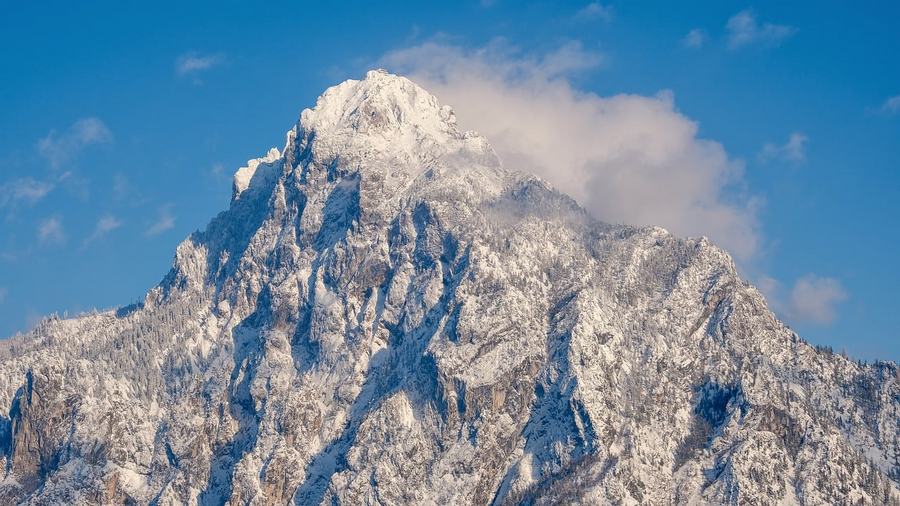
AN 11.7 Saññāsutta: Percipient

Eight black stupas in a valley filled with wildflowers.

Then Venerable Ānanda went up to the Buddha, bowed, sat down to one side, and said to him:

“Could it be, sir, that a mendicant might gain a state of immersion like this? They wouldn’t perceive earth in earth, water in water, fire in fire, or air in air. And they wouldn’t perceive the dimension of infinite space in the dimension of infinite space, the dimension of infinite consciousness in the dimension of infinite consciousness, the dimension of nothingness in the dimension of nothingness, or the dimension of neither perception nor non-perception in the dimension of neither perception nor non-perception. They wouldn’t perceive this world in this world, or the other world in the other world. And they wouldn’t perceive what is seen, heard, thought, known, attained, sought, or explored by the mind. And yet they would still perceive.”

“It could be, Ānanda, that a mendicant might gain a state of immersion like this. They wouldn’t perceive earth in earth, water in water, fire in fire, or air in air. And they wouldn’t perceive the dimension of infinite space in the dimension of infinite space, the dimension of infinite consciousness in the dimension of infinite consciousness, the dimension of nothingness in the dimension of nothingness, or the dimension of neither perception nor non-perception in the dimension of neither perception nor non-perception. They wouldn’t perceive this world in this world, or the other world in the other world. And they wouldn’t perceive what is seen, heard, thought, known, attained, sought, or explored by the mind. And yet they would still perceive.”

“But how could this be, sir?”

“Ānanda, it’s when a mendicant perceives: ‘This is peaceful; this is sublime—that is, the stilling of all activities, the letting go of all attachments, the ending of craving, fading away, cessation, extinguishment.’

That’s how a mendicant might gain a state of immersion like this. They wouldn’t perceive earth in earth, water in water, fire in fire, or air in air. And they wouldn’t perceive the dimension of infinite space in the dimension of infinite space, the dimension of infinite consciousness in the dimension of infinite consciousness, the dimension of nothingness in the dimension of nothingness, or the dimension of neither perception nor non-perception in the dimension of neither perception nor non-perception. They wouldn’t perceive this world in this world, or the other world in the other world. And they wouldn’t perceive what is seen, heard, thought, known, attained, sought, or explored by the mind. And yet they would still perceive.”

And then Ānanda approved and agreed with what the Buddha said. He got up from his seat, bowed, and respectfully circled the Buddha, keeping him on his right. Then he went up to Venerable Sāriputta, and exchanged greetings with him. When the greetings and polite conversation were over, he sat down to one side and said to Sāriputta:

“Could it be, reverend Sāriputta, that a mendicant might gain a state of immersion like this? They wouldn’t perceive earth in earth … And they wouldn’t perceive what is seen, heard, thought, known, attained, sought, or explored by the mind. And yet they would still perceive.”

“It could be, Reverend Ānanda.”

“But how could this be?”

“Ānanda, it’s when a mendicant perceives: ‘This is peaceful; this is sublime—that is, the stilling of all activities, the letting go of all attachments, the ending of craving, fading away, cessation, extinguishment.’ That’s how a mendicant might gain a state of immersion like this. They wouldn’t perceive earth in earth … And they wouldn’t perceive what is seen, heard, thought, known, attained, sought, or explored by the mind. And yet they would still perceive.”

“It’s incredible, it’s amazing! How the meaning and the phrasing of the teacher and the disciple fit together and agree without conflict when it comes to the chief matter! Just now I went to the Buddha and asked him about this matter. And the Buddha explained it to me in this manner, with these words and phrases, just like Venerable Sāriputta. It’s incredible, it’s amazing! How the meaning and the phrasing of the teacher and the disciple fit together and agree without conflict when it comes to the chief matter!”


Read this translation of Aṅguttara Nikāya 11.7 Saññāsutta: Percipient by Bhikkhu Sujato on SuttaCentral.net. Or listen on SC-Voice.net. Or explore the Pali on DigitalPaliReader.online.

Or read a translation in Deutsch, Français, বাংলা, Español, Bahasa Indonesia, 日本語, မြန်မာဘာသာ, Português, Русский, සිංහල, ไทย, Tiếng Việt, or 汉语. Learn how to find your language.

SN 17.23 Ekaputtakasutta: An Only Son

People dressed in white, at night, attending a Buddhist event.

So I have heard. At one time the Buddha was staying near Sāvatthī in Jeta’s Grove, Anāthapiṇḍika’s monastery. There the Buddha addressed the mendicants, “Mendicants!”

“Venerable sir,” they replied. The Buddha said this:

“Possessions, honor, and popularity are brutal, bitter, and harsh. They’re an obstacle to reaching the supreme sanctuary from the yoke.

A faithful laywoman with a dear and beloved only son would rightly appeal to him, ‘My darling, please be like the householder Citta and Hatthaka of Ãḷavī.’

These are a standard and a measure for my male lay disciples, that is, the householder Citta and Hatthaka of Ãḷavī.

‘But my darling, if you go forth from the lay life to homelessness, please be like Sāriputta and Moggallāna.’

These are a standard and a measure for my monk disciples, that is, Sāriputta and Moggallāna.

‘And my darling, may you not come into possessions, honor, and popularity while you’re still a trainee and haven’t achieved your heart’s desire.’

If a trainee who hasn’t achieved their heart’s desire comes into possessions, honor, and popularity it’s an obstacle for them.

So brutal are possessions, honor, and popularity—bitter and harsh, an obstacle to reaching the supreme sanctuary from the yoke.

So you should train like this: ‘We will give up arisen possessions, honor, and popularity, and we won’t let them occupy our minds.’ That’s how you should train.”


Read this translation of Saṁyutta Nikāya 17.23 Ekaputtakasutta: An Only Son Ekaputtakasutta by Bhikkhu Sujato on SuttaCentral.net. Or listen on PaliAudio.com or SC-Voice.net. Or explore the Pali on DigitalPaliReader.online.

Or read a translation in Deutsch, বাংলা, Bahasa Indonesia, 日本語, မြန်မာဘာသာ, Norsk, Русский, සිංහල, ไทย, Tiếng Việt, or 汉语. Learn how to find your language.
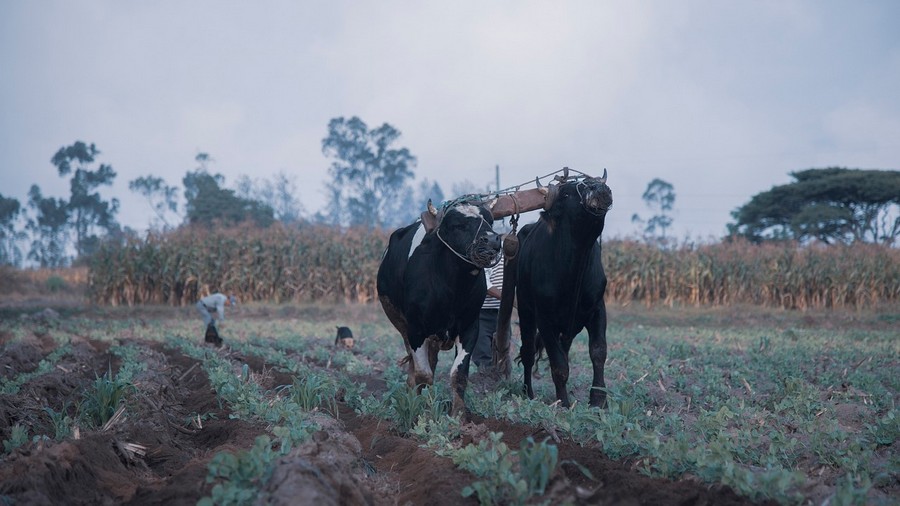
SN 39.16 Dukkarasutta: Hard to Do

Buddhist monastic doing walking meditation/

At one time Venerable Sāriputta was staying in the land of the Vajjis near Ukkacelā on the bank of the Ganges river. Then the wanderer Sāmaṇḍaka went up to Venerable Sāriputta and exchanged greetings with him. When the greetings and polite conversation were over, he sat down to one side and said to Sāriputta:

“Reverend Sāriputta, in this teaching and training, what is hard to do?”

“Going forth, reverend, is hard to do in this teaching and training.”

“But what’s hard to do for someone who has gone forth?”

“When you’ve gone forth it’s hard to be satisfied.”

“But what’s hard to do for someone who is satisfied?”

“When you’re satisfied, it’s hard to practice in line with the teaching.”

“But if a mendicant practices in line with the teaching, will it take them long to become a perfected one?”

“Not long, reverend.”


Read this translation of Saṁyutta Nikāya 39.16 Dukkarasutta: Hard to Do by Bhikkhu Sujato on SuttaCentral.net. Or listen on PaliAudio.com or SC-Voice.net. Or explore the Pali on

Or read a translation in Deutsch, বাংলা, Bahasa Indonesia, 日本語, မြန်မာဘာသာ, Norsk, Português, Русский, සිංහල, or Tiếng Việt. Learn how to find your language.