
-

AN 8.54 Dīghajāṇusutta: With Dīghajāṇu
Sir, we are laypeople who enjoy sensual pleasures and living at home with our children.
-

-

-
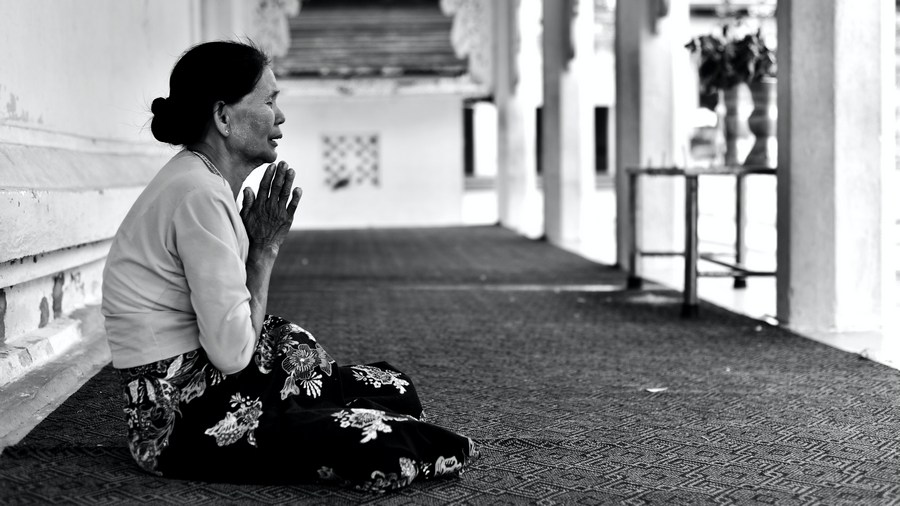
AN 1.258-267 Foremost Laywomen
The foremost of my laywomen in first going for refuge is Sujātā the general’s daughter.
-
-
AN 5.176 Pīti Sutta: Rapture
‘Let’s periodically enter & remain in seclusion & rapture.’ That’s how you should train yourself.
-

AN 5.76 From… Dutiyayodhājīvasutta: Warriors (2nd)
Reverends, I am overcome with lust, mired in lust. I am unable to keep up the spiritual life.
-

MN 66 From… Laḍukikopama Sutta: The Quail Simile
Suppose a quail were snared by a rotting creeper…
🏷️fetters
-
MN 106 From… Āneñjasappāyasutta: Conducive to the Imperturbable
Mendicants, sensual pleasures are impermanent, hollow, false, and deceptive, made by illusion, cooed over by fools.
-
-
-
Dhp 334-336 From… Taṇhā Vagga: Craving
The craving of a person who lives negligently spreads like a creeping vine.
🏷️craving
-

-
Thag 16.4 Raṭṭhapāla
Sensual pleasures—variegated, enticing, sweet—in various ways disturb the mind.
-
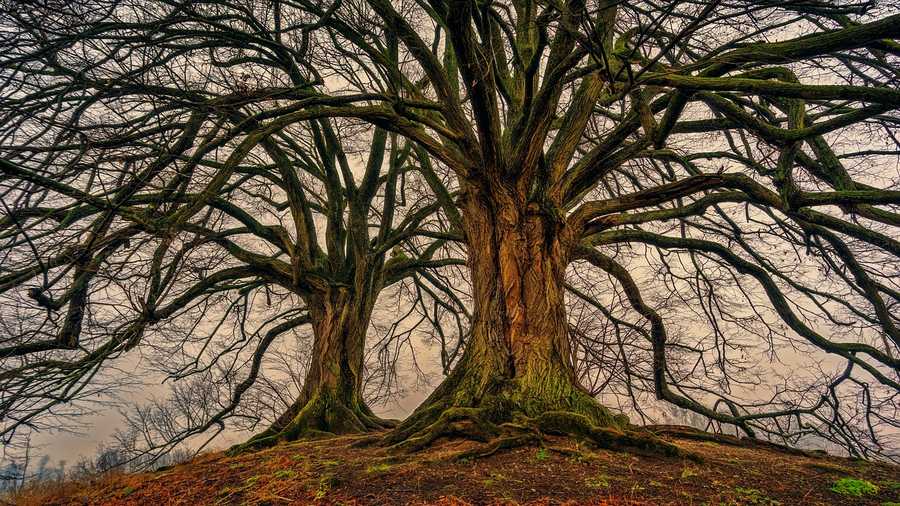
AN 6.50 Indriyasaṁvarasutta: Sense Restraint
Suppose there was a tree that lacked branches and foliage.
-
Ud 7.4 Kāmesu Satta Sutta: Attached to Sensual Pleasures (2)
On that occasion, most of the people in Sāvatthī were excessively attached to sensual pleasures.
-
Snp 4.1 Kāmasutta: Sensual Pleasures
If a mortal desires sensual pleasure and their desire succeeds, they definitely become elated, having got what they want.
-
AN 10.30 Dutiyakosalasutta: Kosala (2)
But, great king, what reasons do you have for showing such supreme honor to this body and displaying such an offering of loving-kindness?
-

AN 9.30 Āghātapaṭivinayasutta: Getting Rid of Resentment
‘They harmed me, but what can I possibly do?’
-

SN 46.51 From… Āhārasutta: Nutriment
And what, bhikkhus, is the nutriment for the arising of unarisen ill will…
🏷️ill will
-

AN 9.25 Paññāsutta: Consolidated by Wisdom
I understand: “Rebirth is ended, the spiritual journey has been completed, what had to be done has been done, there is no return to any state of existence.”
-
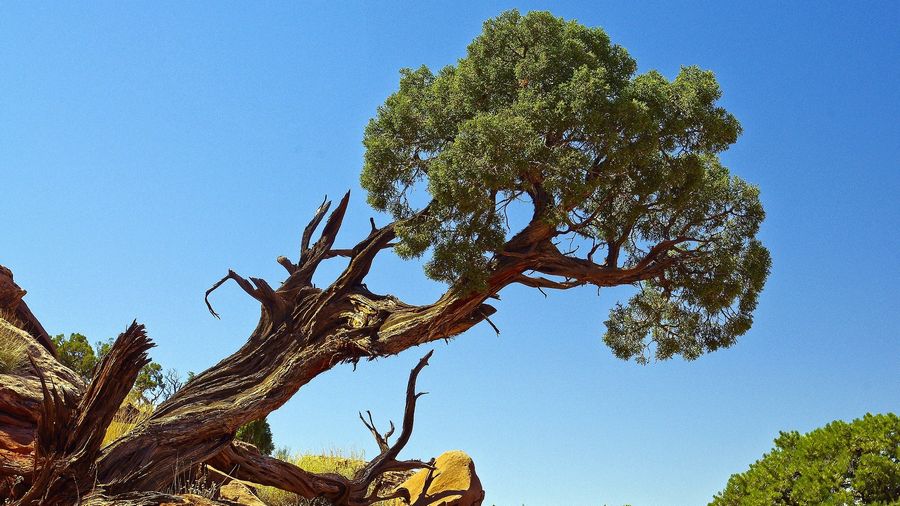
SN 55.22 Mahānāma Sutta: To Mahānāma (2)
Suppose a tree were leaning toward the east, slanting toward the east, inclining toward the east.
-
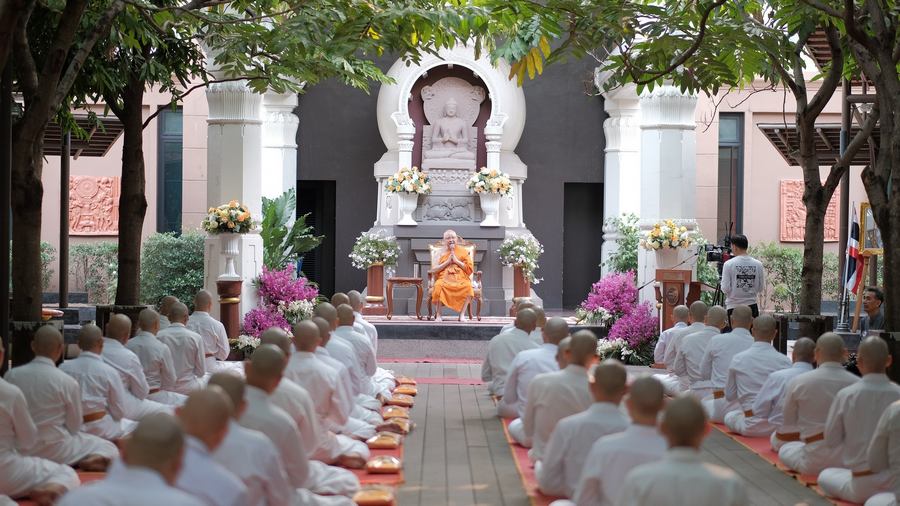
SN 55.17 Dutiya Mittāmacca Sutta: Friends 2
Monks, you have friends, relatives and family members who you have sympathy for.
-
AN 6.19 From… Paṭhamamaraṇassatisutta: Mindfulness of Death (1st)
So you should train like this: ‘… We will keenly develop mindfulness of death for the ending of defilements.’
🏷️death
-

Iti 83 Pañcapubbanimittasutta: The Five Prognostic Signs
Bhikkhus, when a deva is due to pass away from a company of devas, five prognostic signs appear
-
-
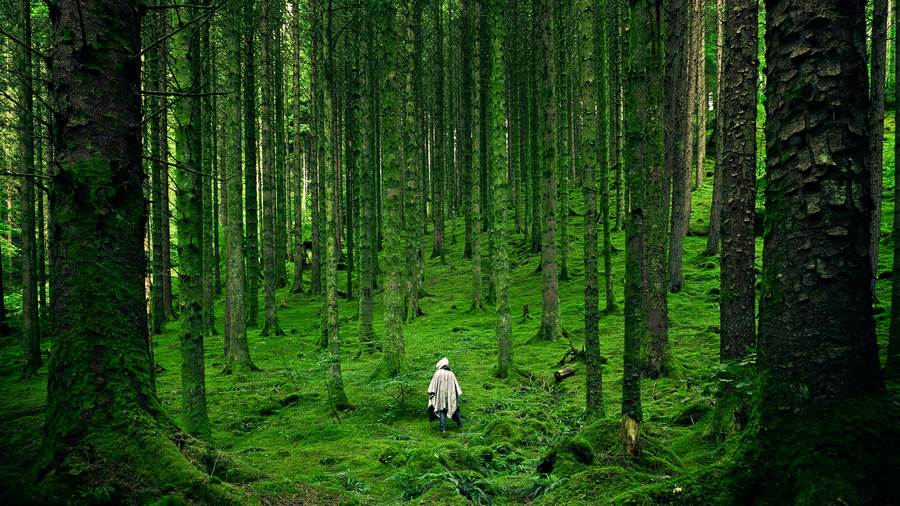
AN 5.181 Āraññikasutta: Wilderness Dwellers
“Mendicants, there are these five kinds of wilderness dwellers. What five? A person may be wilderness dweller because of stupidity and folly. Or because of wicked desires, being naturally full of desires. Or because of madness and mental disorder. Or because it is praised by the Buddhas and their disciples. Or for the sake of…
-
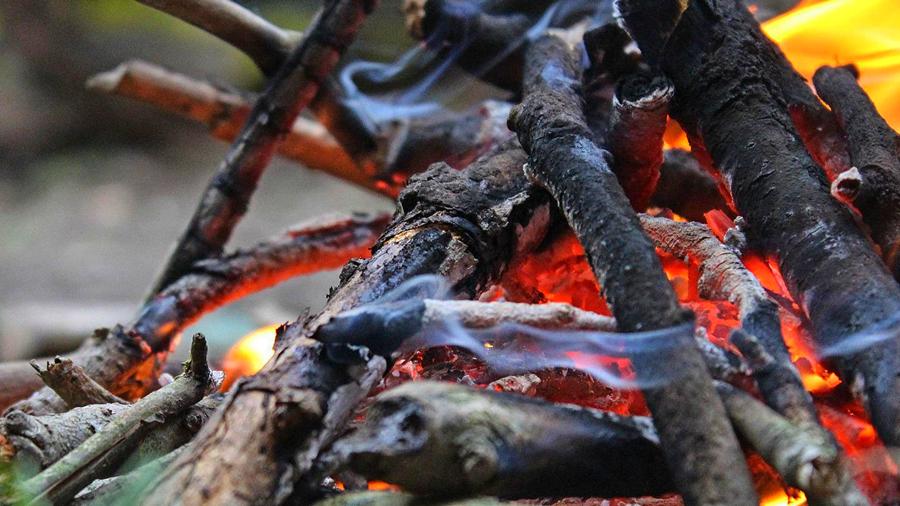
AN 4.95 Chavālātasutta: A Firebrand
“Mendicants, these four people are found in the world. What four? One who practices to benefit neither themselves nor others; one who practices to benefit others, but not themselves; one who practices to benefit themselves, but not others; and one who practices to benefit both themselves and others. Suppose there was a firebrand for lighting…
-
SN 3.2 Purisasutta: A Person
At Sāvatthī. Then King Pasenadi of Kosala went up to the Buddha, bowed, sat down to one side, and said to the Buddha, “Sir, how many things arise inside a person for their harm, suffering, and discomfort?” “Great king, three things arise inside a person for their harm, suffering, and discomfort. What three? Greed, hate,…
-
AN 5.51 Āvaraṇasutta: Obstacles
Thus have I heard. On one occasion the Blessed One was dwelling at Sāvatthī in Jeta’s Grove, Anāthapiṇḍika’s Park. There the Blessed One addressed the bhikkhus: “Bhikkhus!” “Venerable sir!” those bhikkhus replied. The Blessed One said this: “Bhikkhus, there are these five obstructions, hindrances, encumbrances of the mind, states that weaken wisdom. What five? (1)…
-
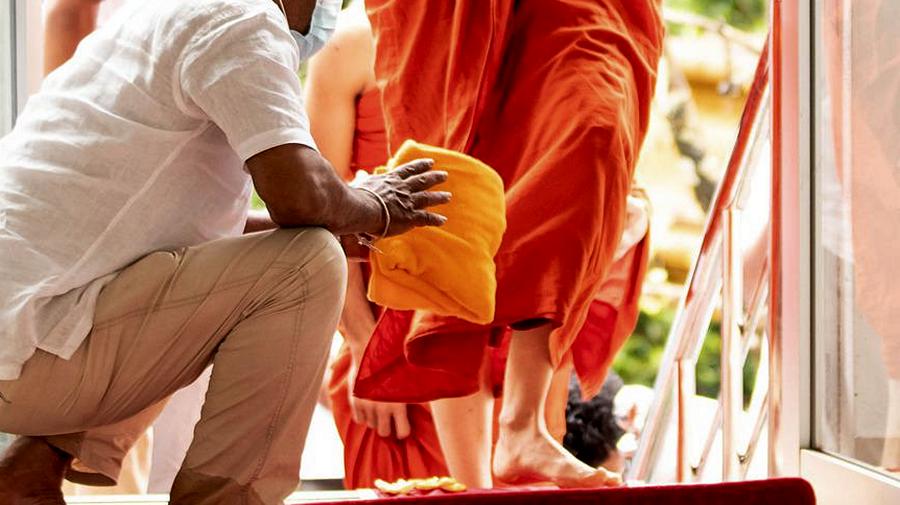
Thag 3.8 Vassikattheragāthā: Vassika
I was the only one in my familywho had faith and wisdom.It’s good for my relatives that I’mfirm in principle, and ethical. I corrected my family out of compassion,telling them off out of lovefor my family and relatives.They performed a service for the monks and then they passed away,finding happiness in the heaven of the…


